Morpheus8 vs. Traditional Microneedling: Is RF Worth the Upgrade?
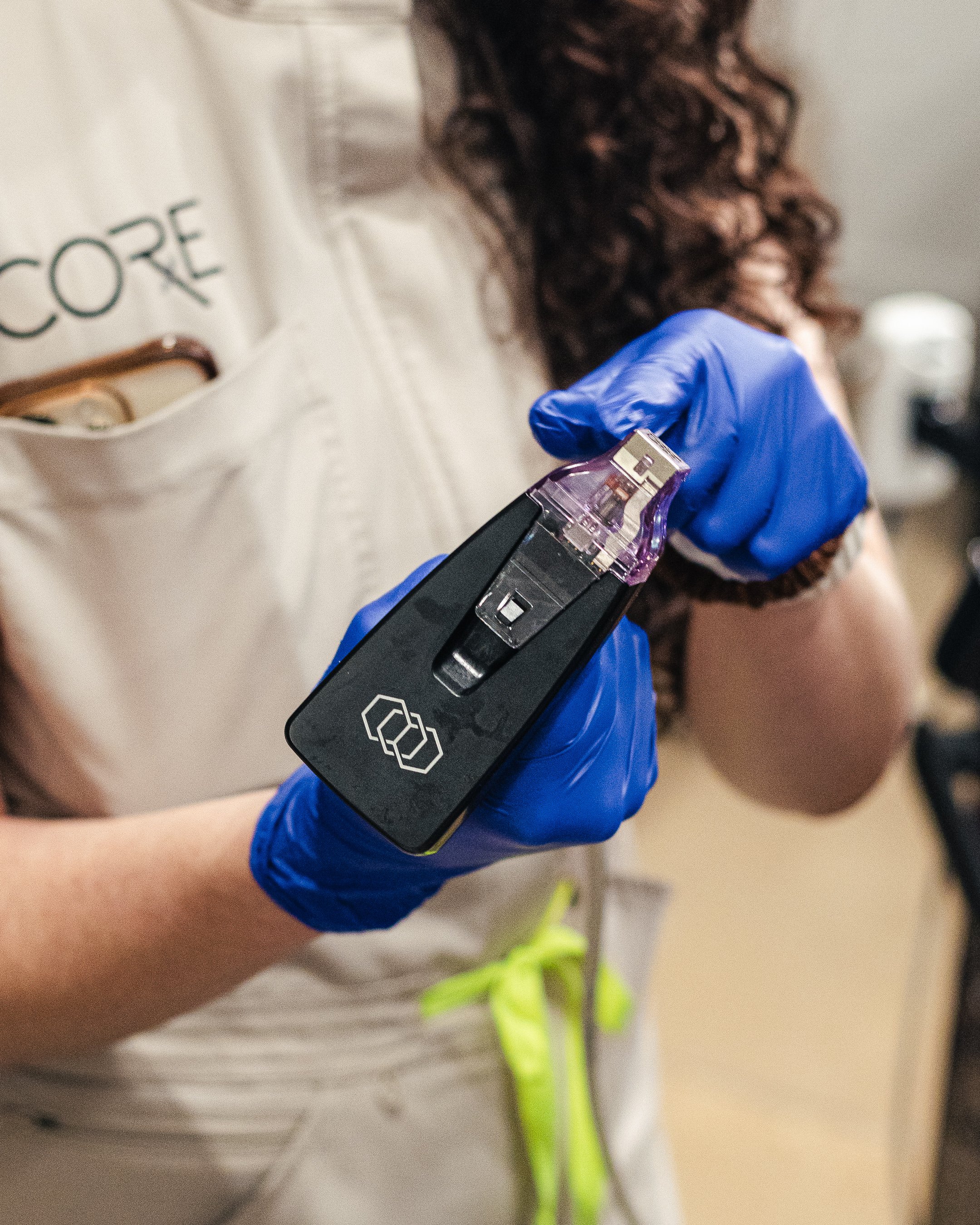
If you’re thinking about microneedling but have heard of Morpheus8, you might be wondering what’s the difference? Both treatments boost collagen and smooth skin, but Morpheus8 takes things a step further by adding radiofrequency (RF) energy for deeper, longer-lasting results.
How Morpheus8 Works
Traditional microneedling uses tiny needles to create micro-injuries that trigger collagen production. Morpheus8 combines those same micro-injuries with radiofrequency energy, which heats deeper layers of skin. This combination tightens tissue, smooths wrinkles, and improves texture from the inside out.
Benefits of Morpheus8
Patients love Morpheus8 because it delivers more dramatic results than standard microneedling. It can:
Tighten sagging skin on the face, neck, and jawline
Reduce acne scars and stretch marks
Smooth fine lines and wrinkles
Improve skin tone and texture
Downtime and Healing
Both treatments require minimal downtime, but Morpheus8 may cause slightly more redness or swelling due to the deeper heat energy. Most people return to normal activities within 1–2 days. Traditional microneedling tends to have a quicker recovery but offers milder results.
Cost and Sessions
Morpheus8 is typically more expensive per session, but it often requires fewer treatments for visible improvement. Traditional microneedling may need a series of sessions to achieve similar results.
Who’s a Good Candidate?
Morpheus8 is ideal for anyone wanting firmer, tighter skin or deeper rejuvenation without surgery. Traditional microneedling works best for mild texture concerns or early signs of aging. During your consultation, your provider can recommend which option fits your goals and skin type.
Both treatments boost collagen and improve your skin but if you’re ready for noticeable lift and tightening, Morpheus8 might be worth the upgrade.