

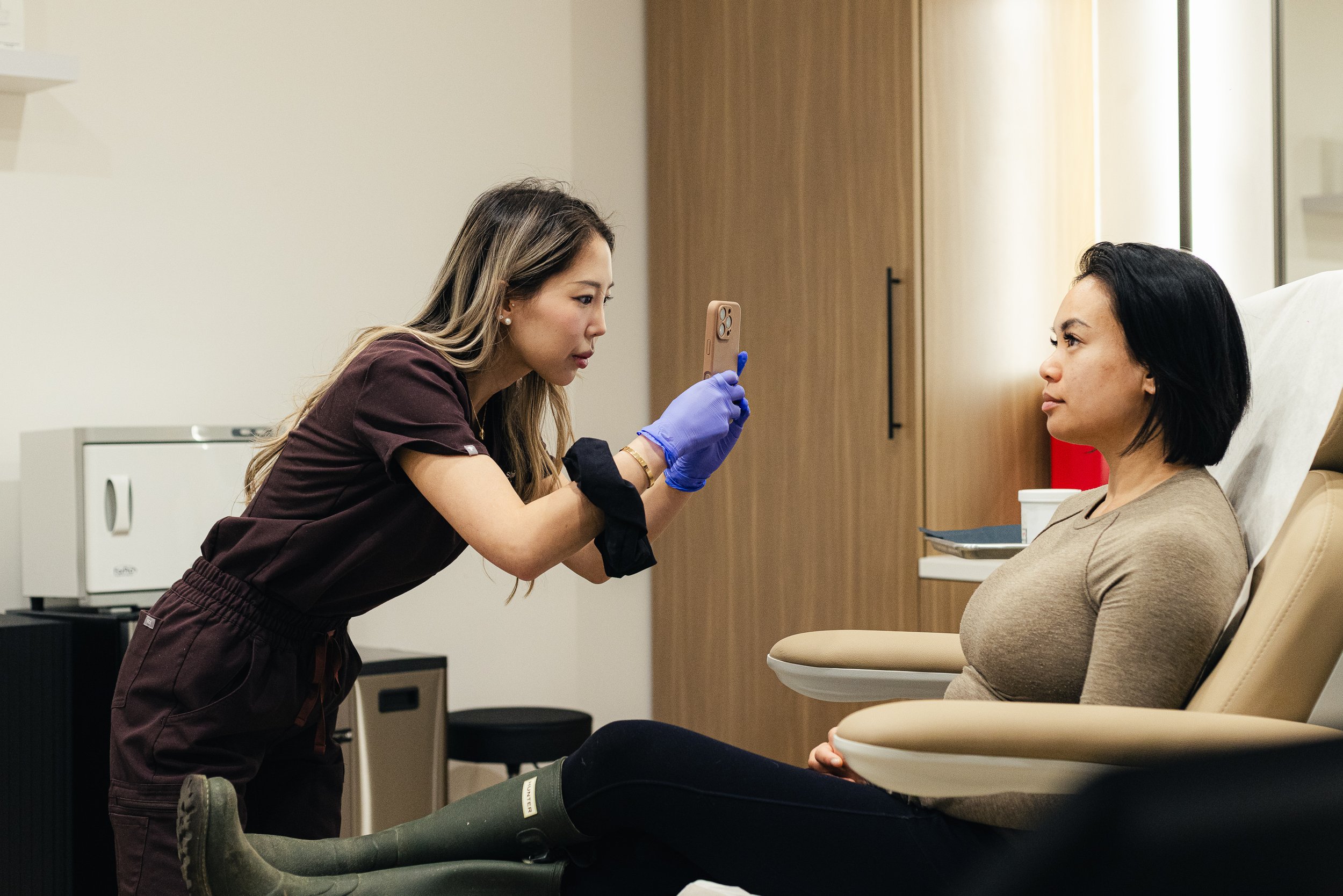
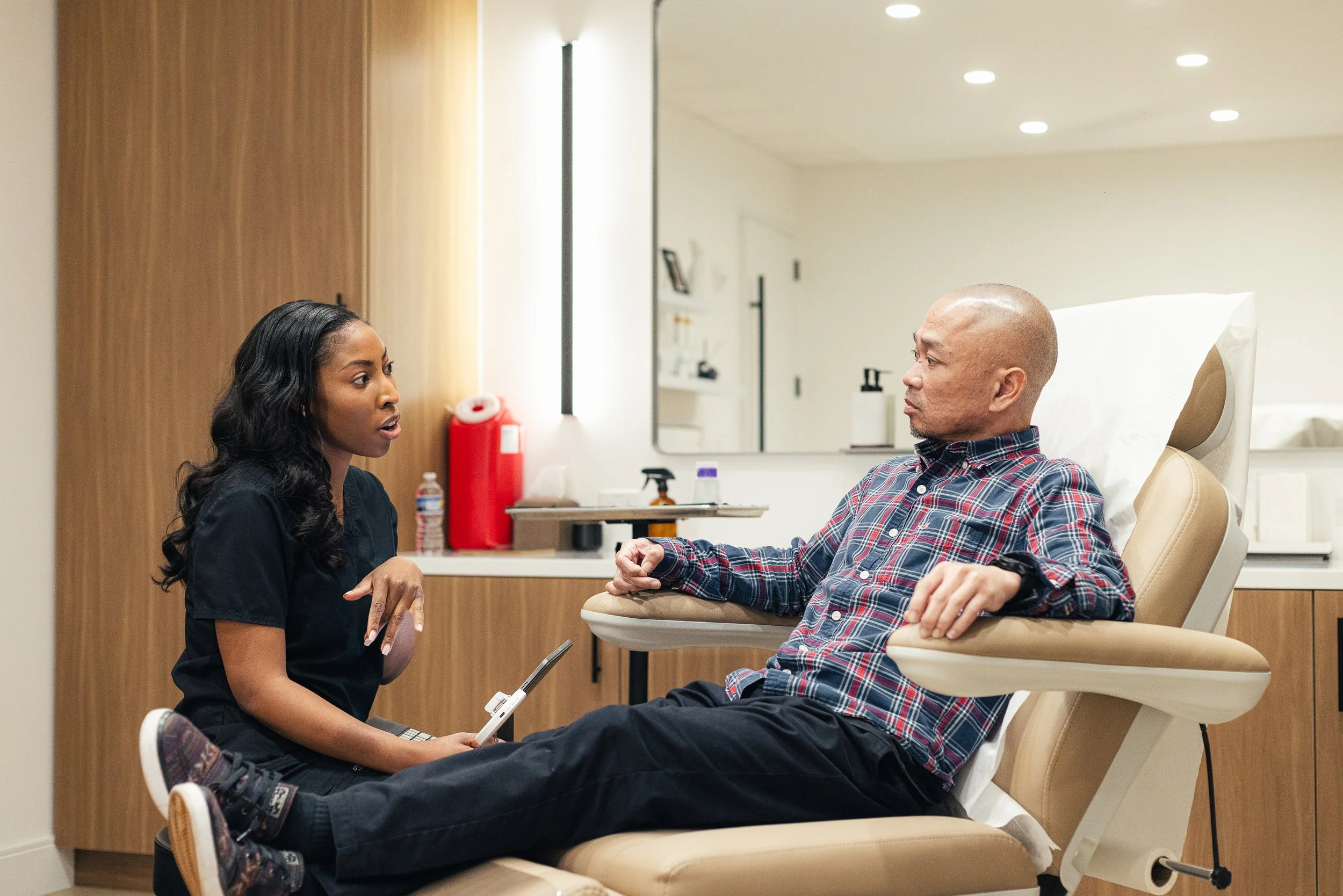
Real Answers, Real Results—It All Starts with a Conversation.
Whether you want to come in and chat face-to-face or keep it cozy from your couch, we offer both in-person and virtual consultations—because convenience should always come with options!
You bring the questions, we’ll bring the expertise—together we’ll make your skin goals a reality.
-
![]()
What you can expect during your consultation:
You won’t have to wait weeks (or months!) to get in—at Core Aesthetic, we make it easy to see one of our trusted medical providers quickly. Whether you're starting a new skin journey or need support managing something ongoing, we're here when you need us. Because when it comes to your skin, expert care shouldn’t be on hold.
-
![]()
Personalized Assessment:
Your visit begins with a comprehensive review of your health history, current medications, lifestyle factors, and skincare or haircare routines. A licensed provider will closely examine the areas of concern—whether it’s your face, body, or scalp—to better understand your unique skin type and condition. Photos may be taken to track progress over time.
-
![]()
Diagnosis & Education:
Based on your assessment, the provider will offer a clinical diagnosis or discuss likely contributing factors such as hormones, stress, environment, or product sensitivity. You'll be educated on what’s happening beneath the surface, so you understand the why behind the symptoms—empowering you to make informed decisions about your care.
-
![]()
Customized Treatment Plan:
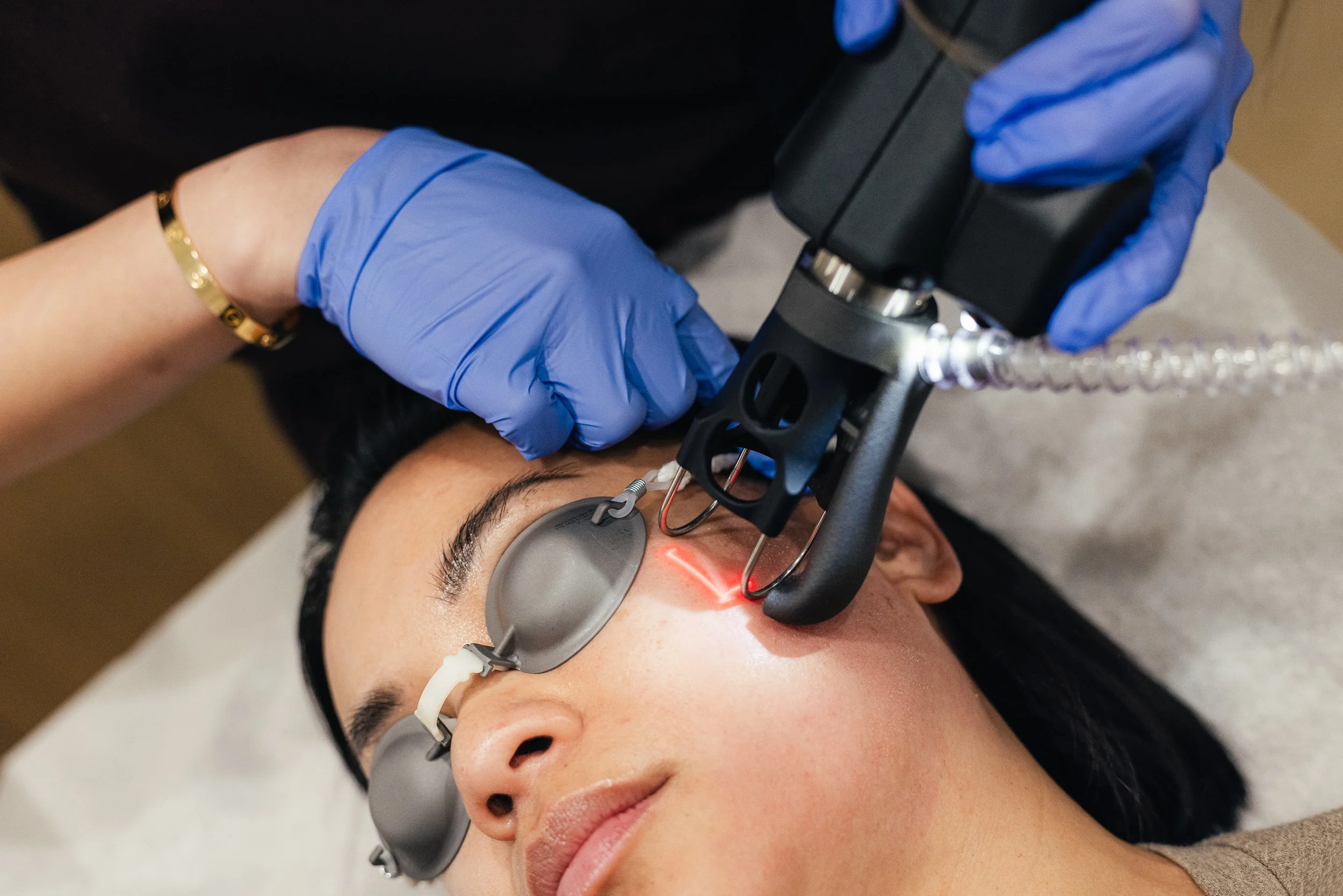
You'll receive a tailored treatment strategy that may include in-office procedures (e.g., chemical peels, laser therapy, microneedling), prescription medications (in house compounding pharmacy to get medications that day), medical-grade skincare, or supplements. The plan is designed to fit your goals, skin type, and lifestyle, with both short-term relief and long-term skin health in mind.oes here
-
![]()
Next Steps & Follow-Up:
You’ll leave with instructions for home care, treatment schedules, and lifestyle tips. If in-office treatments are recommended, you'll be guided through the booking process. A follow-up is typically scheduled within 4–8 weeks to monitor progress, adjust protocols, and ensure optimal results.



Meet the Providers
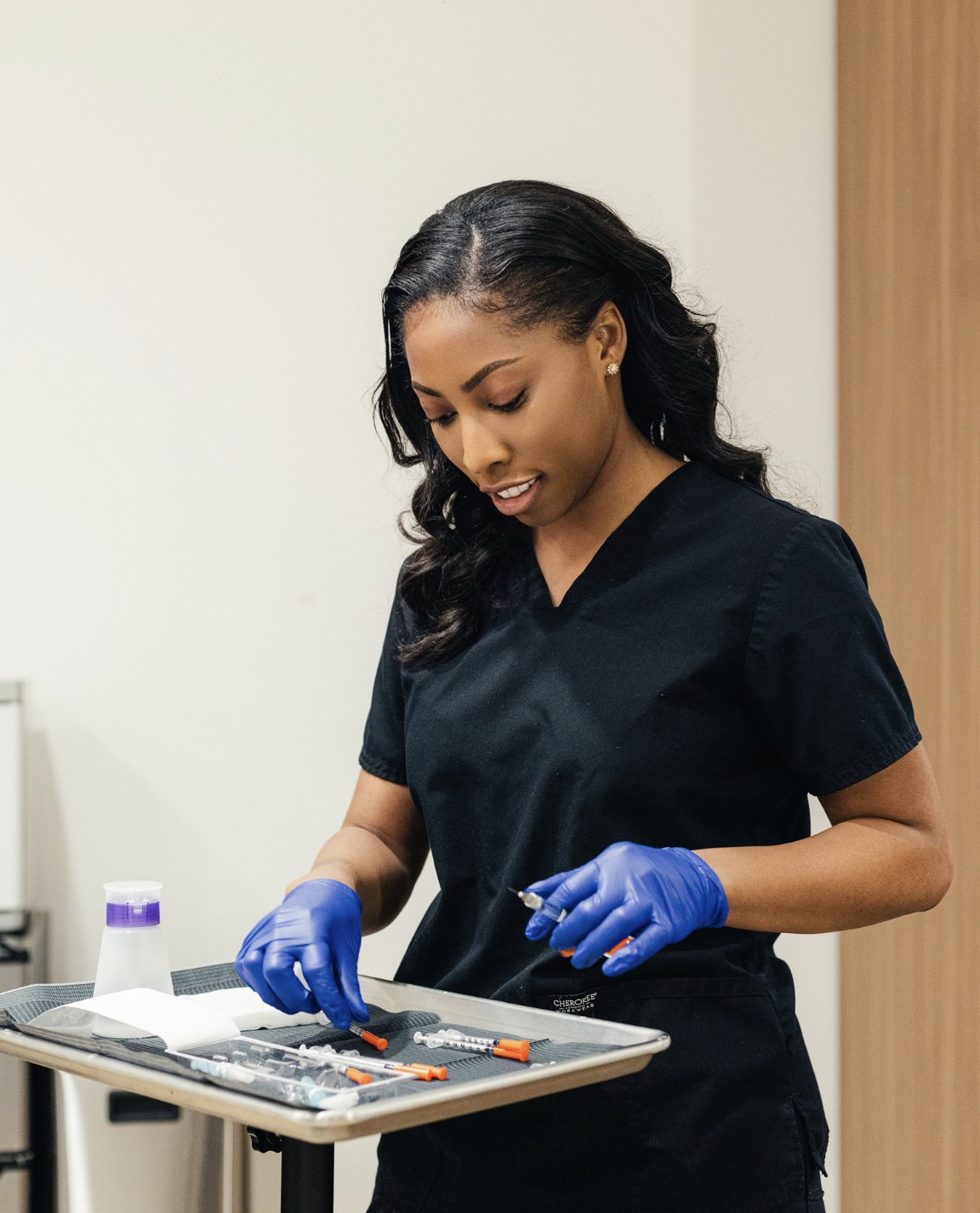
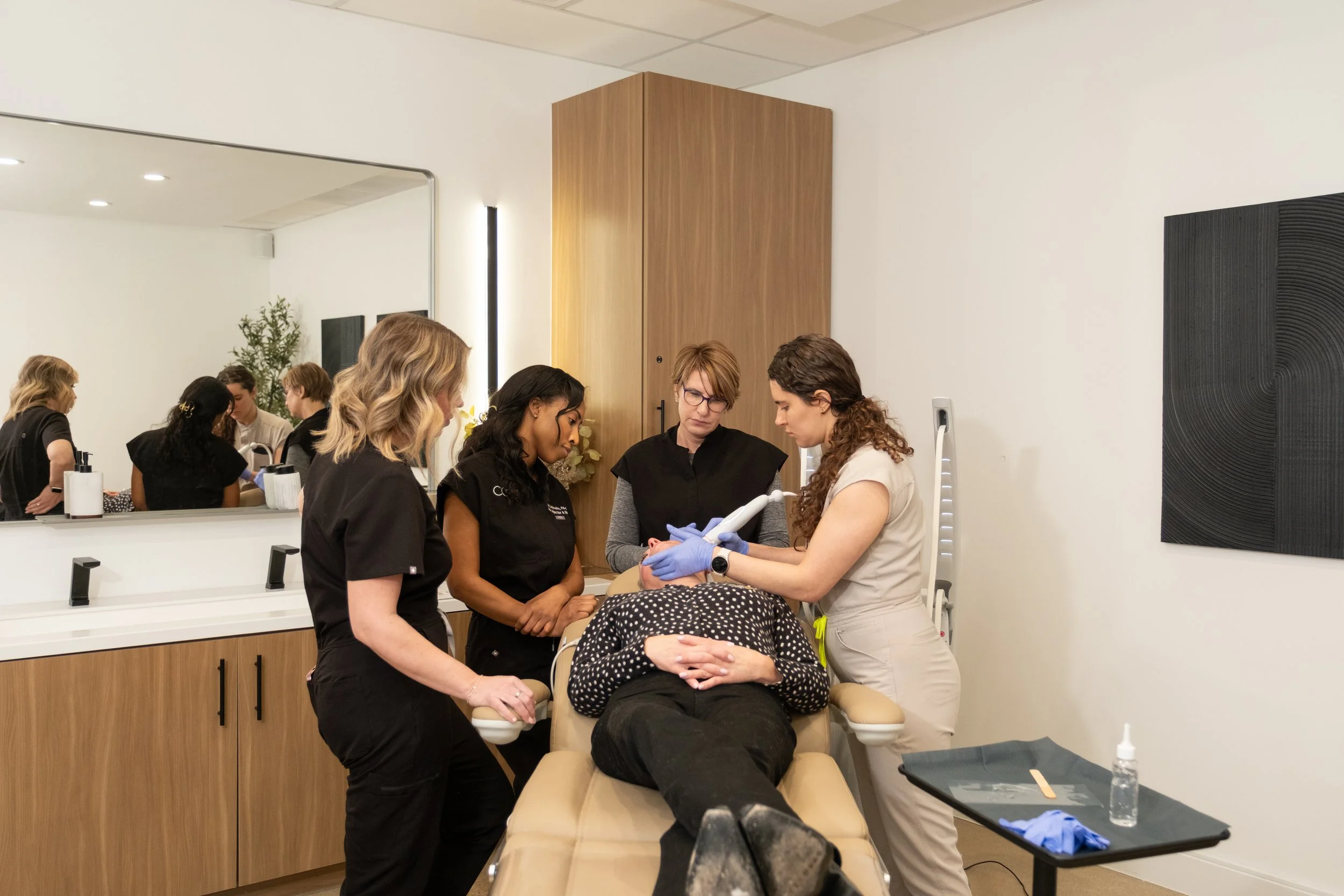
Get to know the skin experts behind your glow! Our providers are not only highly trained—they’re passionate about helping you feel confident in your skin. Whether it’s your first consultation or a follow-up, you’ll be in caring, capable hands every step of the way.
-
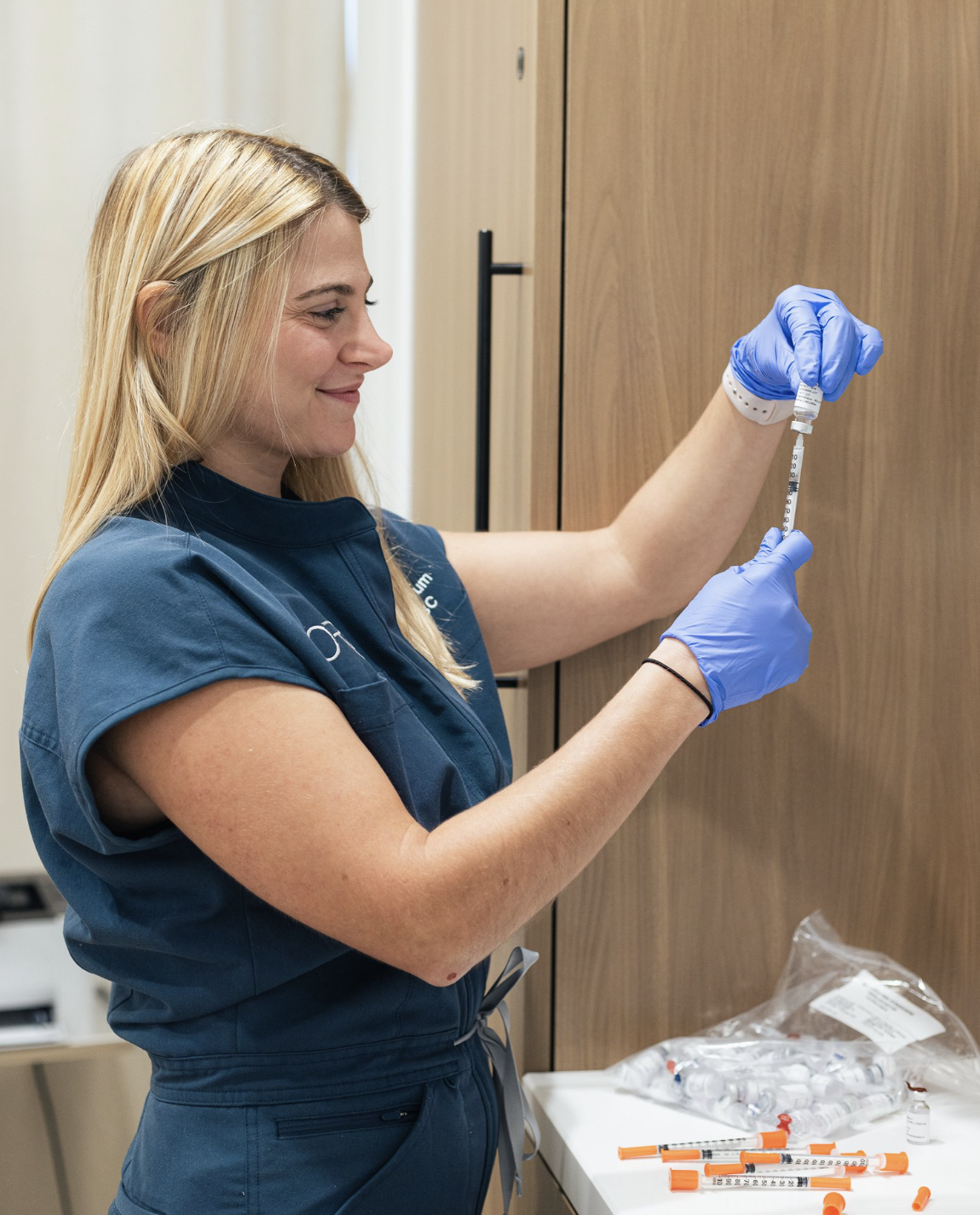
She began her career in emergency medicine, developing sharp diagnostic skills, deep anatomical knowledge, and the kind of calm focus that only high-pressure environments can build. But over time, she felt called to a field where she could make a more personal, lasting impact. Now, Asia specializes in dermatology, full-face injectable planning, natural contouring, and medically supported weight loss programs.She’s known for being honest, detail-oriented, and results-focused, with an approach that’s always tailored to the individual in front of her.
-
Lindsay Najjoum is a board-certified Family Nurse Practitioner with advanced clinical training in primary care and a deep focus in medical weight loss and dermatology. With a doctorate in nursing practice and years of experience supporting patients through complex health challenges, Lindsay brings both science and empathy to every consultation.
What sets her apart is her ability to see the full picture: not just numbers on a chart, but the human behind them. She’s deeply invested in helping patients reclaim their health, confidence, and quality of life through strategies that are clear, effective, and entirely personalized.
We hear this every year: “I’m waiting for fall to get a chemical peel.” While cooler months have traditionally been associated with skin resurfacing, your skin doesn’t operate on a seasonal schedule. If you’re delaying treatment for hyperpigmentation, acne, or fine lines, you’re also delaying real progress. The truth is—the best time to treat your skin is when you’re ready to be consistent.
IPL for Redness: How to Finally Calm Rosacea-Prone Skin
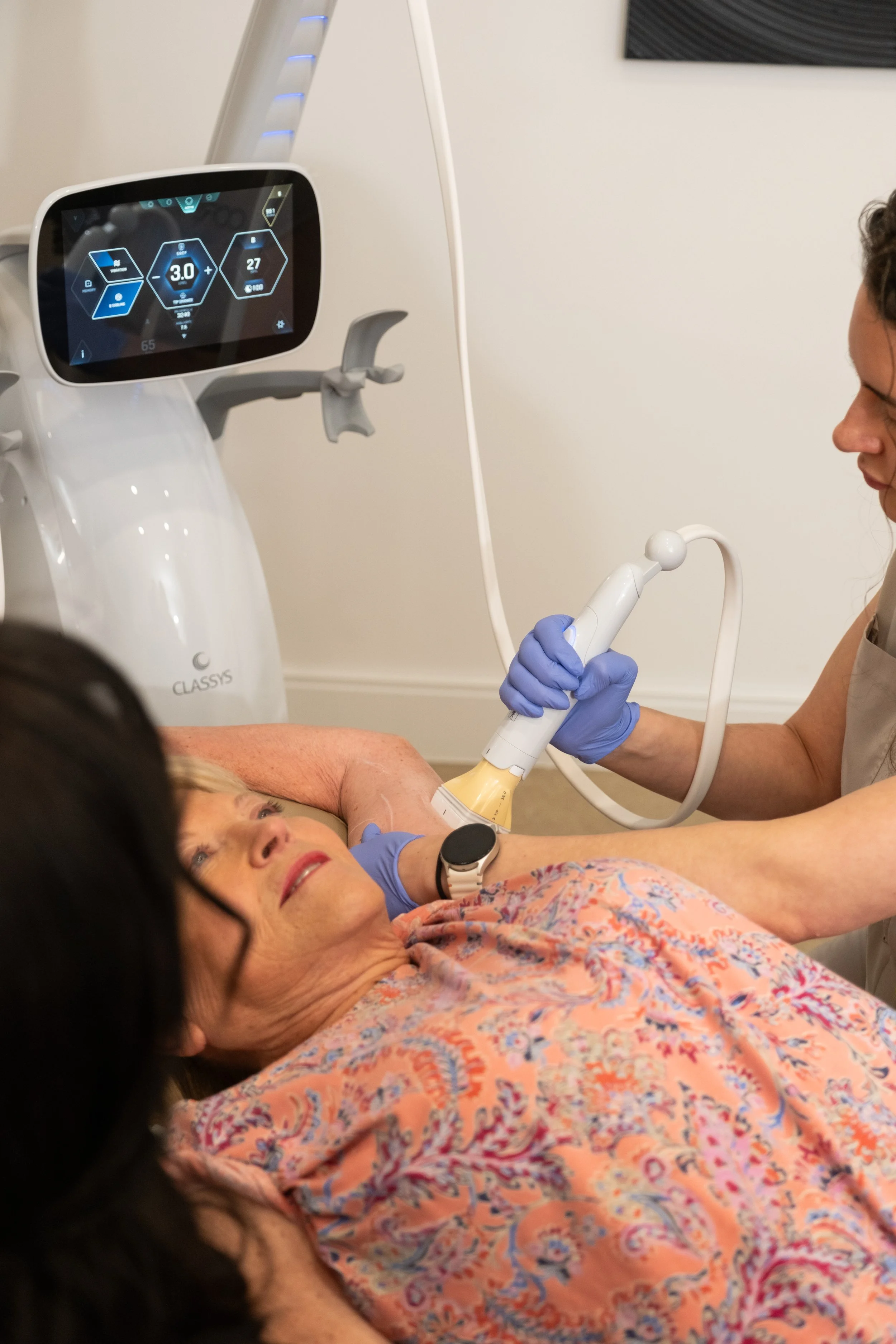
If you live with rosacea, you know the “flush” isn’t a glow—it’s unpredictable, persistent, and often emotionally exhausting. In clinic, I meet patients who’ve tried everything from soothing serums to color-correcting makeup, only to find their redness returns within hours. The reason? Most treatments don’t address the root cause.
IPL for Redness: How to Finally Calm Rosacea-Prone Skin
If you live with rosacea, you know the “flush” isn’t a glow—it’s unpredictable, persistent, and often emotionally exhausting. In clinic, I meet patients who’ve tried everything from soothing serums to color-correcting makeup, only to find their redness returns within hours. The reason? Most treatments don’t address the root cause.
Laser Hair Removal for Bikini Area: What No One Tells You
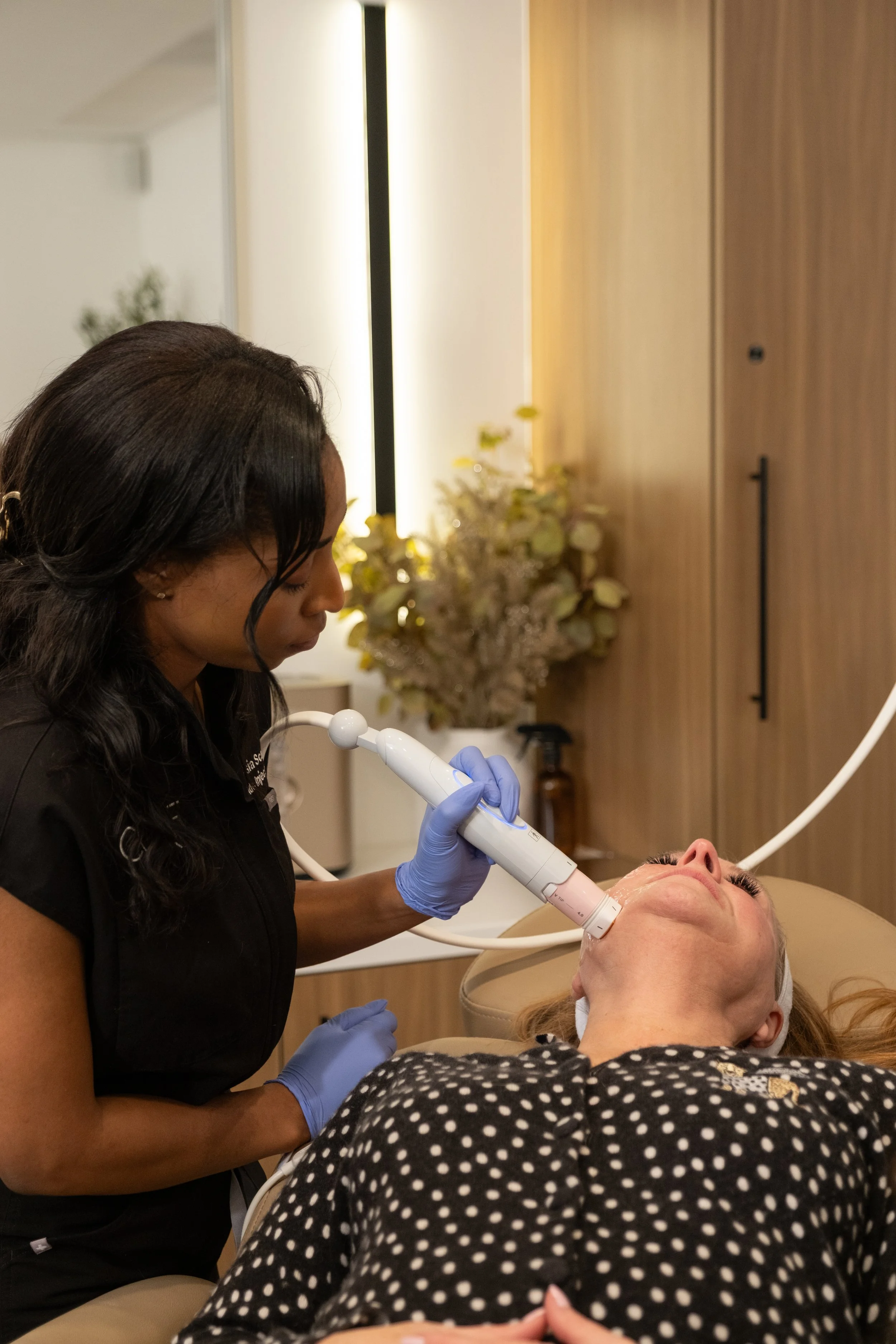
If you’re stuck in the cycle of razor burn, painful waxing, and persistent “strawberry skin,” you’re not alone. As a physician, I see many patients curious about bikini laser hair removal—but hesitant due to myths around pain, safety, and results. The truth is far more clinical, precise, and reassuring when done correctly.
The Science (and Precision) Behind Effective Treatment
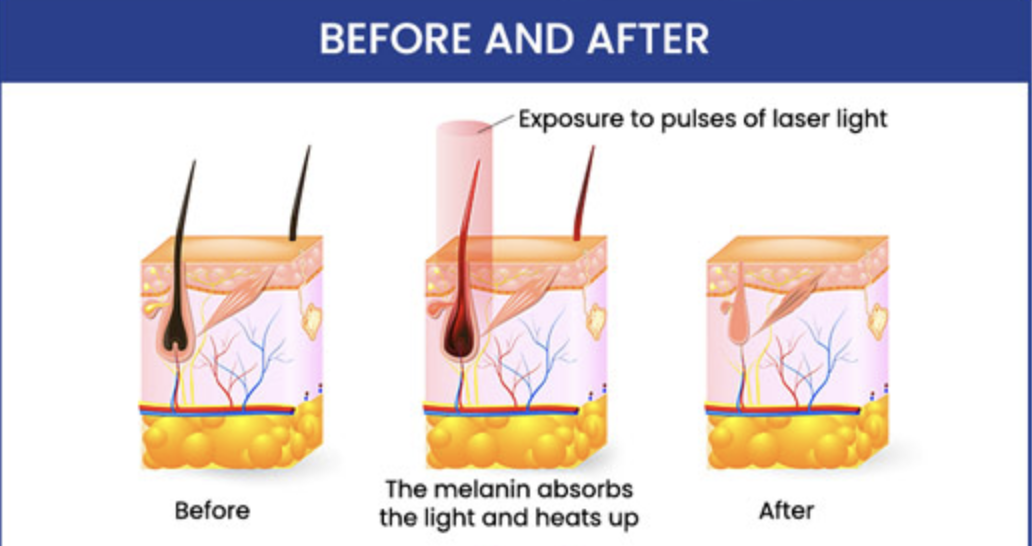
Laser hair removal works by targeting melanin within the hair follicle. The light energy converts to heat, selectively damaging the follicle while preserving surrounding skin. However, the bikini area presents unique anatomical challenges.
Hair in this region grows at varying angles and depths due to natural skin folds. A skilled provider adjusts hand positioning, spot size, and laser angle to remain perpendicular to the follicle. Smaller spot sizes are used for delicate contours, while larger ones efficiently cover the bikini line. This precision is what determines both safety and long-term efficacy—not just the machine itself.
Laser Hair Removal for Bikini Area: What No One Tells You
If you’re stuck in the cycle of razor burn, painful waxing, and persistent “strawberry skin,” you’re not alone. As a physician, I see many patients curious about bikini laser hair removal—but hesitant due to myths around pain, safety, and results. The truth is far more clinical, precise, and reassuring when done correctly.
The Science (and Precision) Behind Effective Treatment
Laser hair removal works by targeting melanin within the hair follicle. The light energy converts to heat, selectively damaging the follicle while preserving surrounding skin. However, the bikini area presents unique anatomical challenges.
Hair in this region grows at varying angles and depths due to natural skin folds. A skilled provider adjusts hand positioning, spot size, and laser angle to remain perpendicular to the follicle. Smaller spot sizes are used for delicate contours, while larger ones efficiently cover the bikini line. This precision is what determines both safety and long-term efficacy—not just the machine itself.
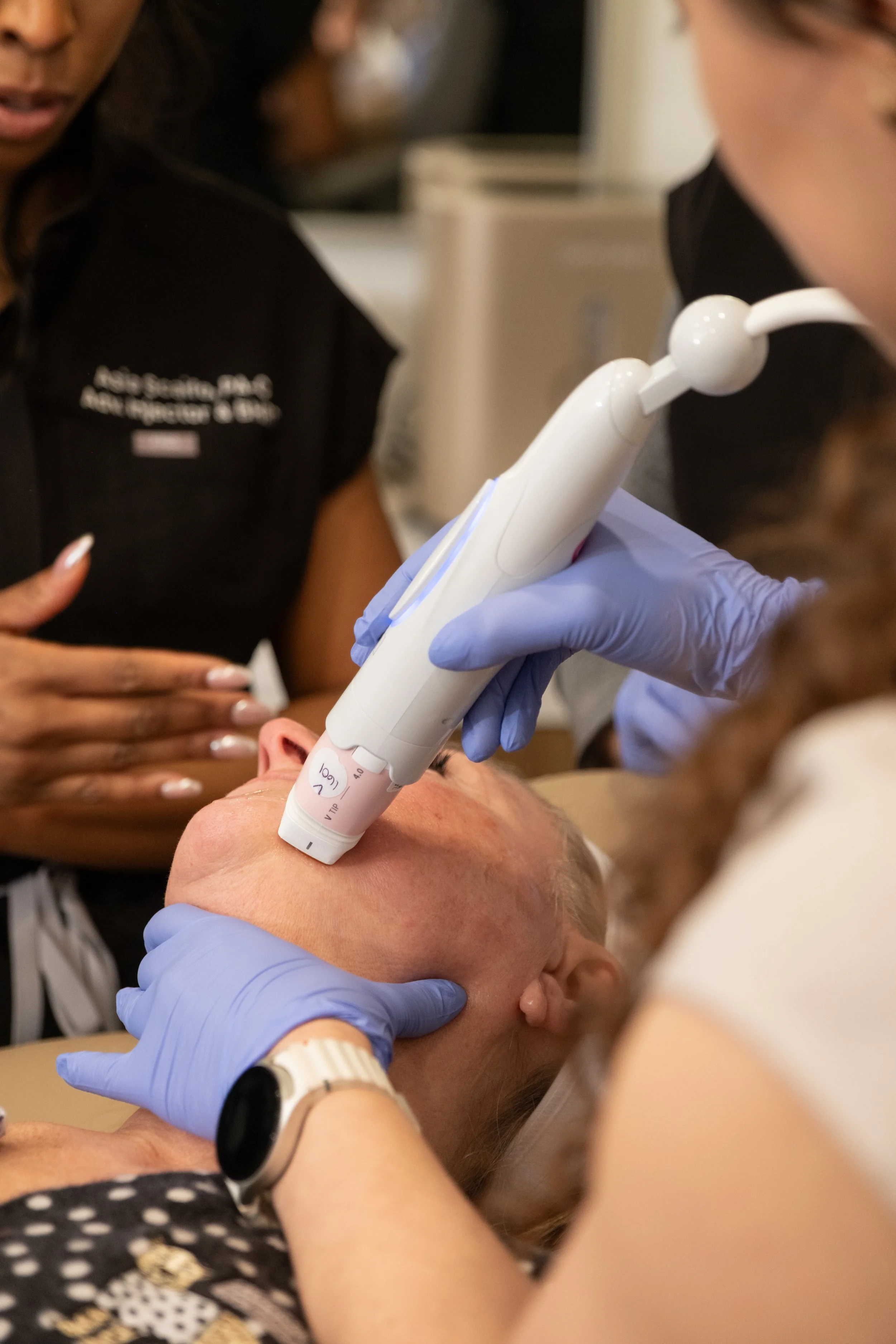
If you’ve struggled with persistent acne, you already know the cycle—trying product after product, only to be left with irritated skin that still breaks out. As physicians, we approach acne differently. It is not just a surface concern—it’s a chronic inflammatory skin condition that requires targeted, multi-level treatment.
When conventional methods fail, the VI Peel becomes a powerful clinical solution—not just to treat acne, but to interrupt it at its source.
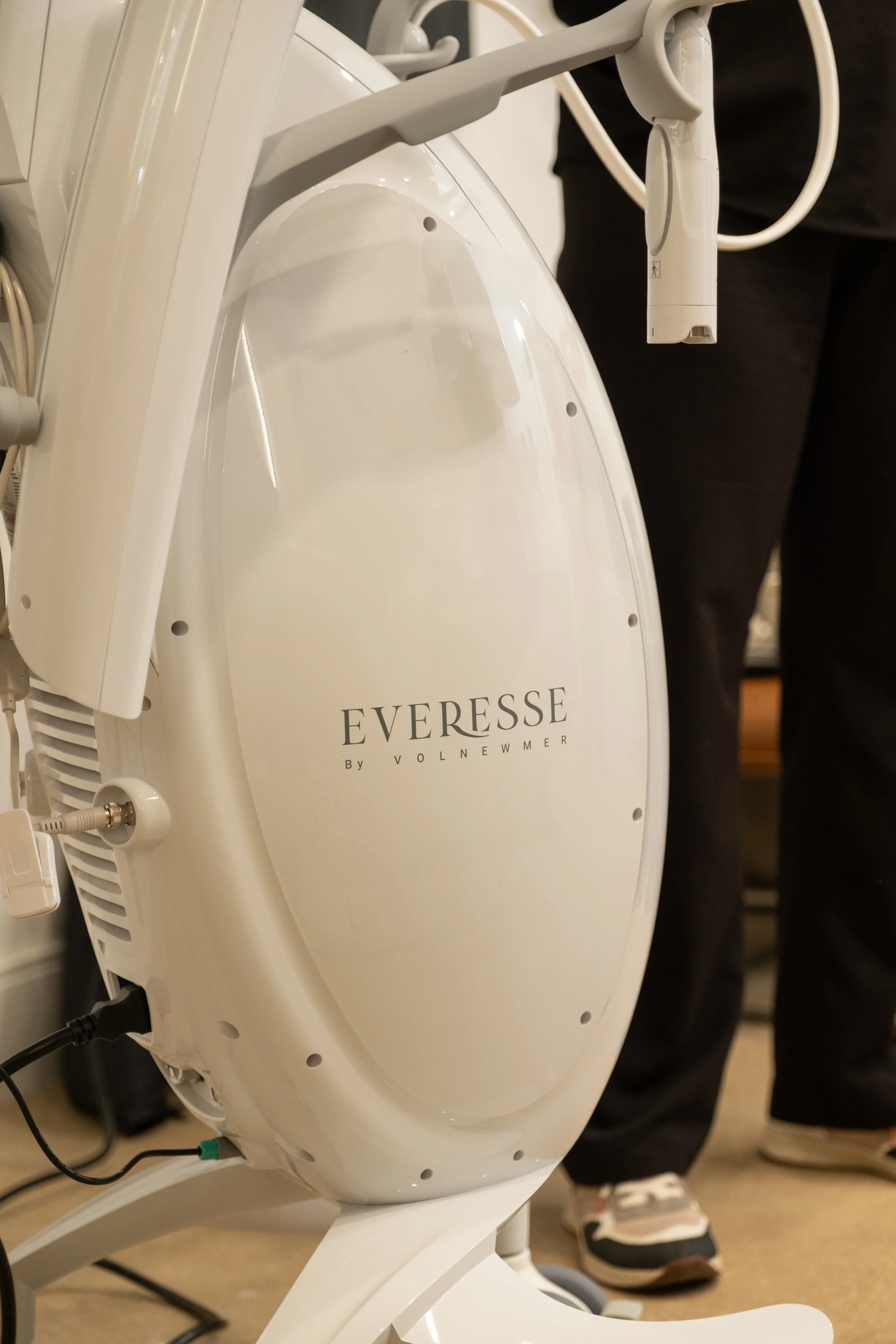
In modern aesthetic medicine, we are moving away from one-size-fits-all treatments toward high-performance synergy. While individual treatments deliver results, the most dramatic transformations happen when we layer technologies that target different depths of the skin.
We call the combination of Everesse and CoolPeel the “Radiant Lift”—because it rejuvenates both the foundation and the surface of your skin in a way no single treatment can.
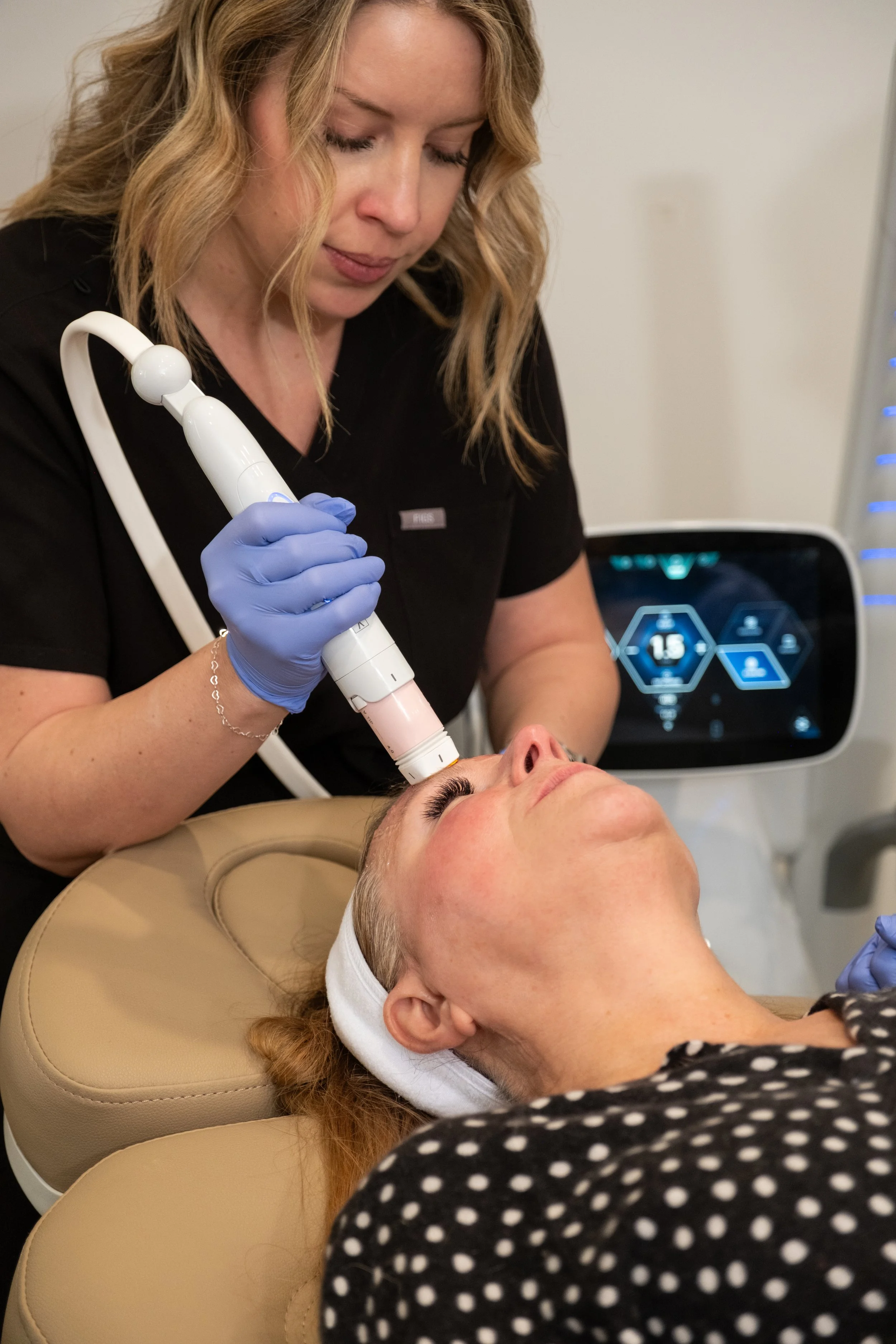
You’ve done the hard part—researched the right treatment, committed your time, and invested in your skin. But here’s a clinical truth most patients don’t realize: the laser does 50% of the work, and your aftercare determines the other 50%.
In a physician-led practice, we often see great treatments compromised by simple post-care mistakes. If you want to protect your results, you need to avoid the single biggest error in aesthetic medicine.

If you’ve been scrolling through your feed wondering how celebrities achieve that tight, lifted, “lit-from-within” glow—without looking overdone—you’ve likely heard of Everesse. Often called the “Red Carpet Facial,” this is not a traditional spa treatment. In a physician-led setting, Everesse represents a medical-grade solution that bridges the gap between a facial and non-surgical skin tightening.
What Makes Everesse Different from Regular Facials
Most facials work only at the surface level (epidermis), offering temporary hydration and exfoliation. Everesse operates much deeper, using 6.78 MHz monopolar radiofrequency (RF) energy to deliver controlled heat into the dermis—where collagen is produced.
If you’ve been scrolling through your feed wondering how celebrities achieve that tight, lifted, “lit-from-within” glow—without looking overdone—you’ve likely heard of Everesse. Often called the “Red Carpet Facial,” this is not a traditional spa treatment. In a physician-led setting, Everesse represents a medical-grade solution that bridges the gap between a facial and non-surgical skin tightening.
What Makes Everesse Different from Regular Facials
Most facials work only at the surface level (epidermis), offering temporary hydration and exfoliation. Everesse operates much deeper, using 6.78 MHz monopolar radiofrequency (RF) energy to deliver controlled heat into the dermis—where collagen is produced.
If you’ve been scrolling through your feed wondering how celebrities achieve that tight, lifted, “lit-from-within” glow—without looking overdone—you’ve likely heard of Everesse. Often called the “Red Carpet Facial,” this is not a traditional spa treatment. In a physician-led setting, Everesse represents a medical-grade solution that bridges the gap between a facial and non-surgical skin tightening.
What Makes Everesse Different from Regular Facials
Most facials work only at the surface level (epidermis), offering temporary hydration and exfoliation. Everesse operates much deeper, using 6.78 MHz monopolar radiofrequency (RF) energy to deliver controlled heat into the dermis—where collagen is produced.
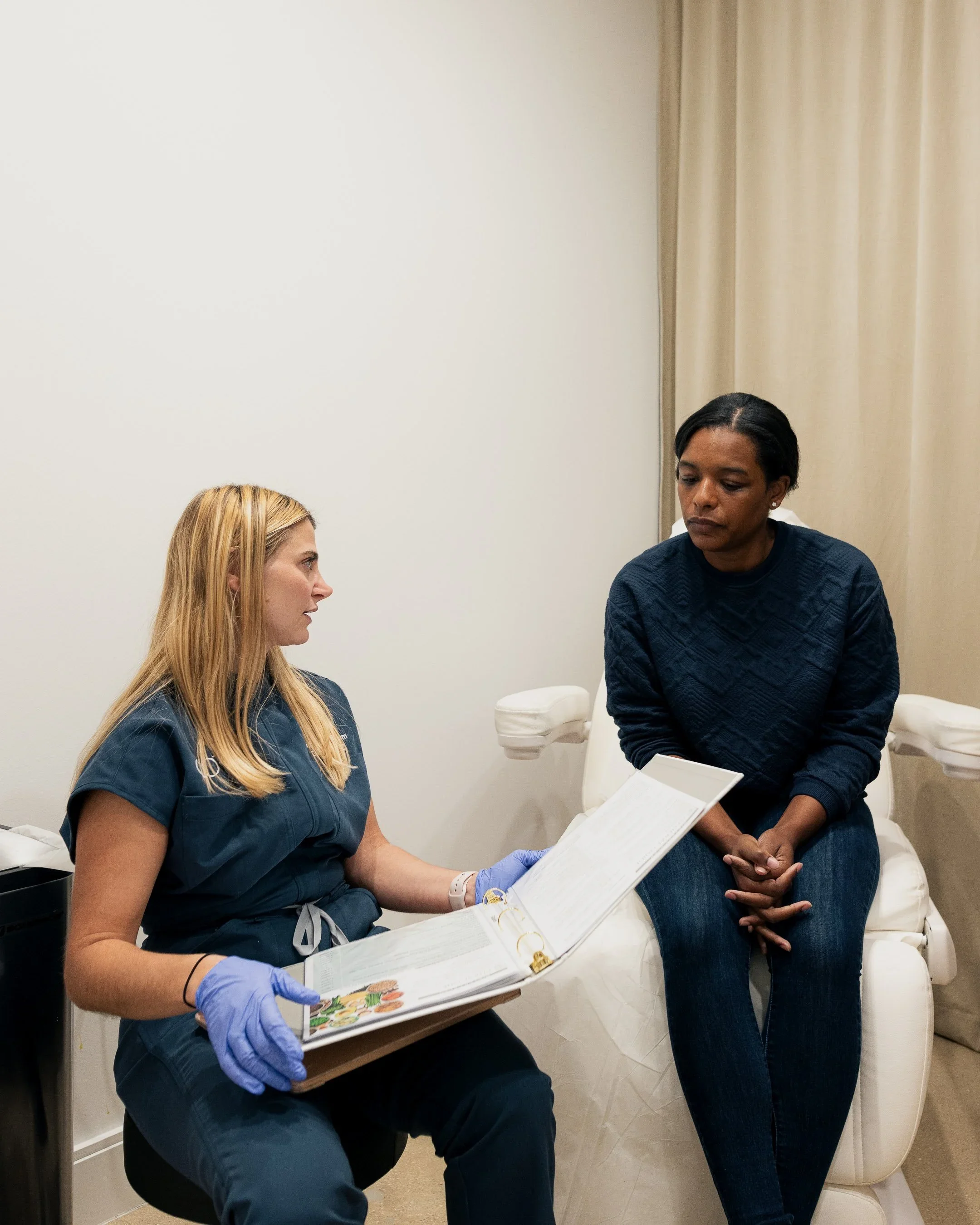
One of the most common concerns we hear in a physician-led setting is: “Is it normal for my skin to look worse before it improves?” With a VI Peel, the answer is yes—and more importantly, it’s a sign the treatment is working exactly as intended.
The Peeling Process: What You See
A VI Peel is a medical-grade chemical exfoliation that targets damaged skin in a controlled, uniform manner. Around 48–72 hours post-treatment, patients typically experience tightness, dryness, and visible peeling—often starting around the mouth and gradually extending outward.
This phase can feel concerning, but it’s important to understand: this is not irritation or damage. It’s the structured shedding of the stratum corneum (outermost skin layer), where dull, pigmented, and acne-prone cells are being replaced. Avoid picking or prematurely removing peeling skin, as this can lead to irritation or uneven healing.

Collagen” is one of the most talked-about concepts in skincare—but it’s also one of the most misunderstood. At Core Aesthetic, we emphasize a physician-led approach: collagen isn’t something you can apply from a bottle; it’s something your skin must be stimulated to produce. If your skincare routine has plateaued, microneedling—also known as collagen induction therapy—may be the missing link.
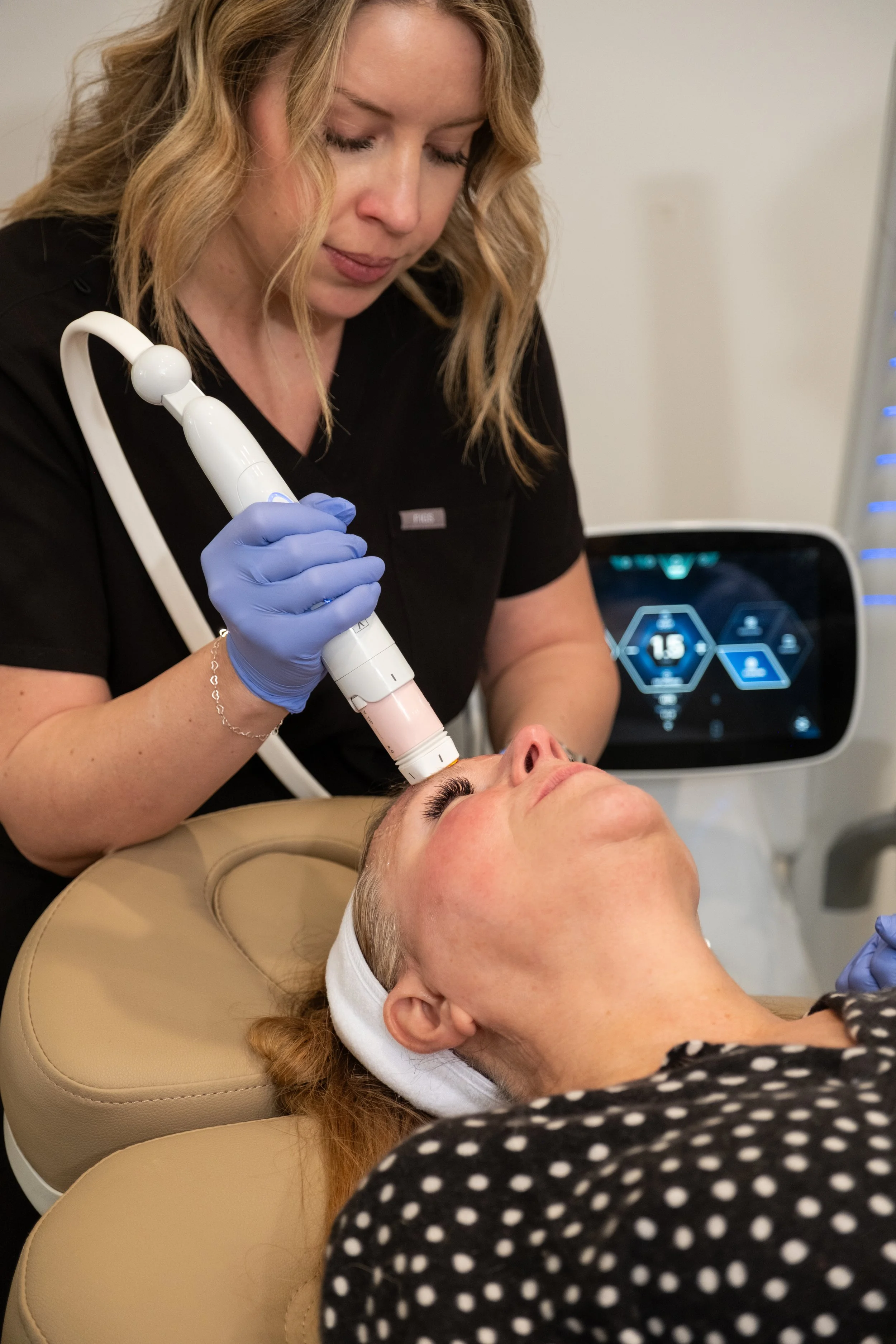
If your skin is showing signs of sun exposure—dark spots, freckles, redness, or uneven tone—you’re not alone. At Core Aesthetic, one of the most common questions we hear is: Should I choose IPL or laser? While they’re often used interchangeably, they are fundamentally different technologies—and choosing the right one can dramatically impact your results.
The Key Differences: Broad Light vs Precision Targeting
IPL (Intense Pulsed Light) is not a laser. It uses multiple wavelengths of light—similar to a powerful flash—to target several concerns at once. This makes it effective for overall skin rejuvenation and treating diffuse sun damage.
Laser treatments, by contrast, use a single, focused wavelength. This allows for precise targeting of specific chromophores—such as melanin (pigment) or hemoglobin (blood vessels)—without affecting surrounding tissue.
From a physician-led standpoint, this distinction is critical. IPL is broad and versatile; lasers are precise and corrective.
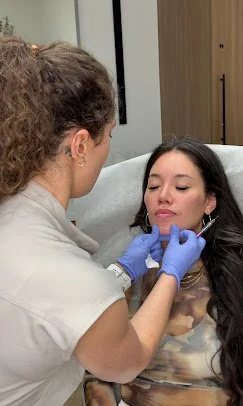
If your skin is showing signs of sun exposure—dark spots, freckles, redness, or uneven tone—you’re not alone. At Core Aesthetic, one of the most common questions we hear is: Should I choose IPL or laser? While they’re often used interchangeably, they are fundamentally different technologies—and choosing the right one can dramatically impact your results.
The Key Differences: Broad Light vs Precision Targeting
IPL (Intense Pulsed Light) is not a laser. It uses multiple wavelengths of light—similar to a powerful flash—to target several concerns at once. This makes it effective for overall skin rejuvenation and treating diffuse sun damage.
Laser treatments, by contrast, use a single, focused wavelength. This allows for precise targeting of specific chromophores—such as melanin (pigment) or hemoglobin (blood vessels)—without affecting surrounding tissue.
From a physician-led standpoint, this distinction is critical. IPL is broad and versatile; lasers are precise and corrective.
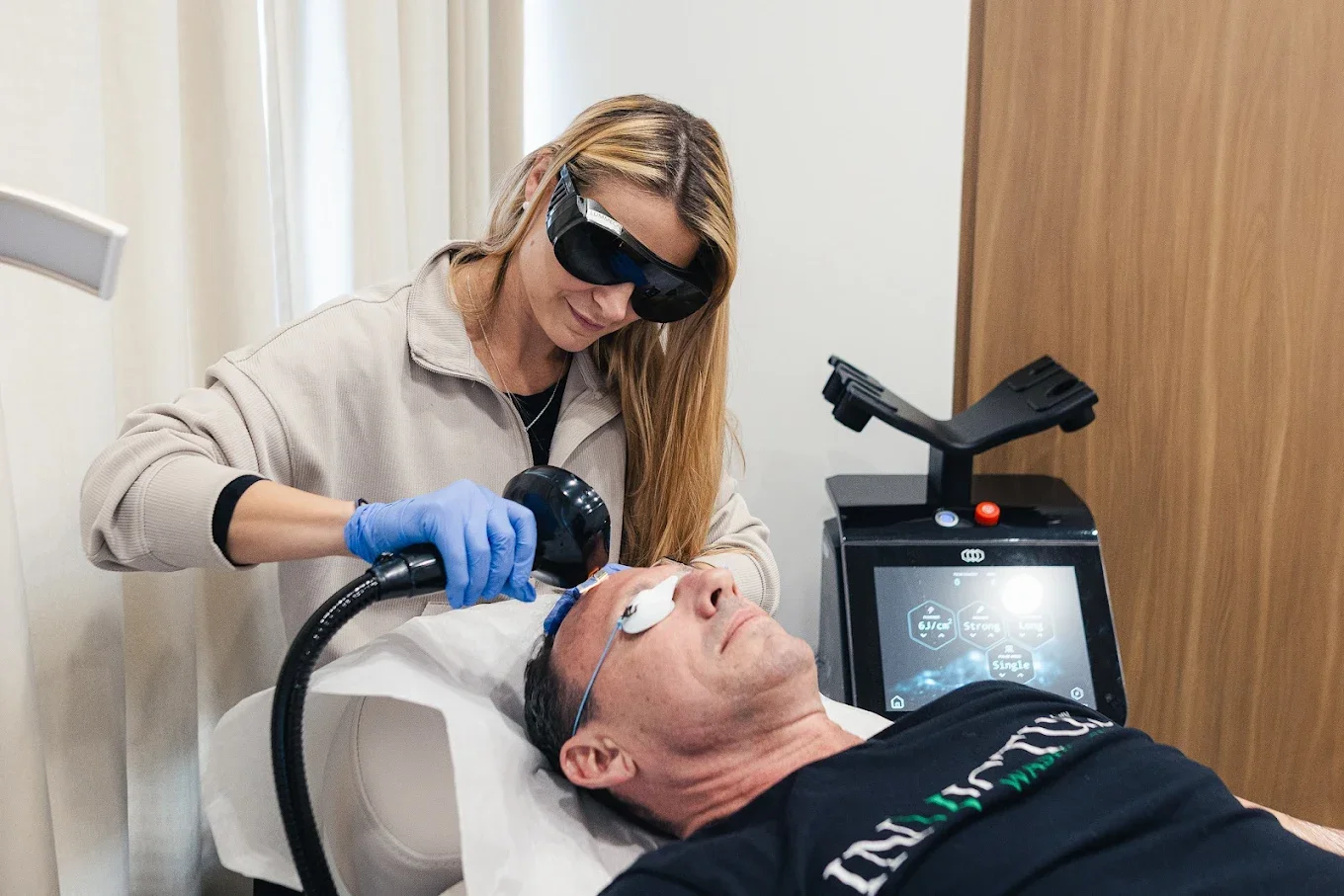
If your hair feels like it’s back the very next day after shaving—it’s not just fast regrowth. It’s the way shaving is changing how your hair appears and feels. That constant stubble, shadow under your arms, or recurring bikini bumps aren’t random—they’re a direct result of repeated shaving.
At Core Aesthetic, we often see patients stuck in this cycle of daily maintenance, irritation, and frustration—without realizing there’s a medically advanced, long-term solution.
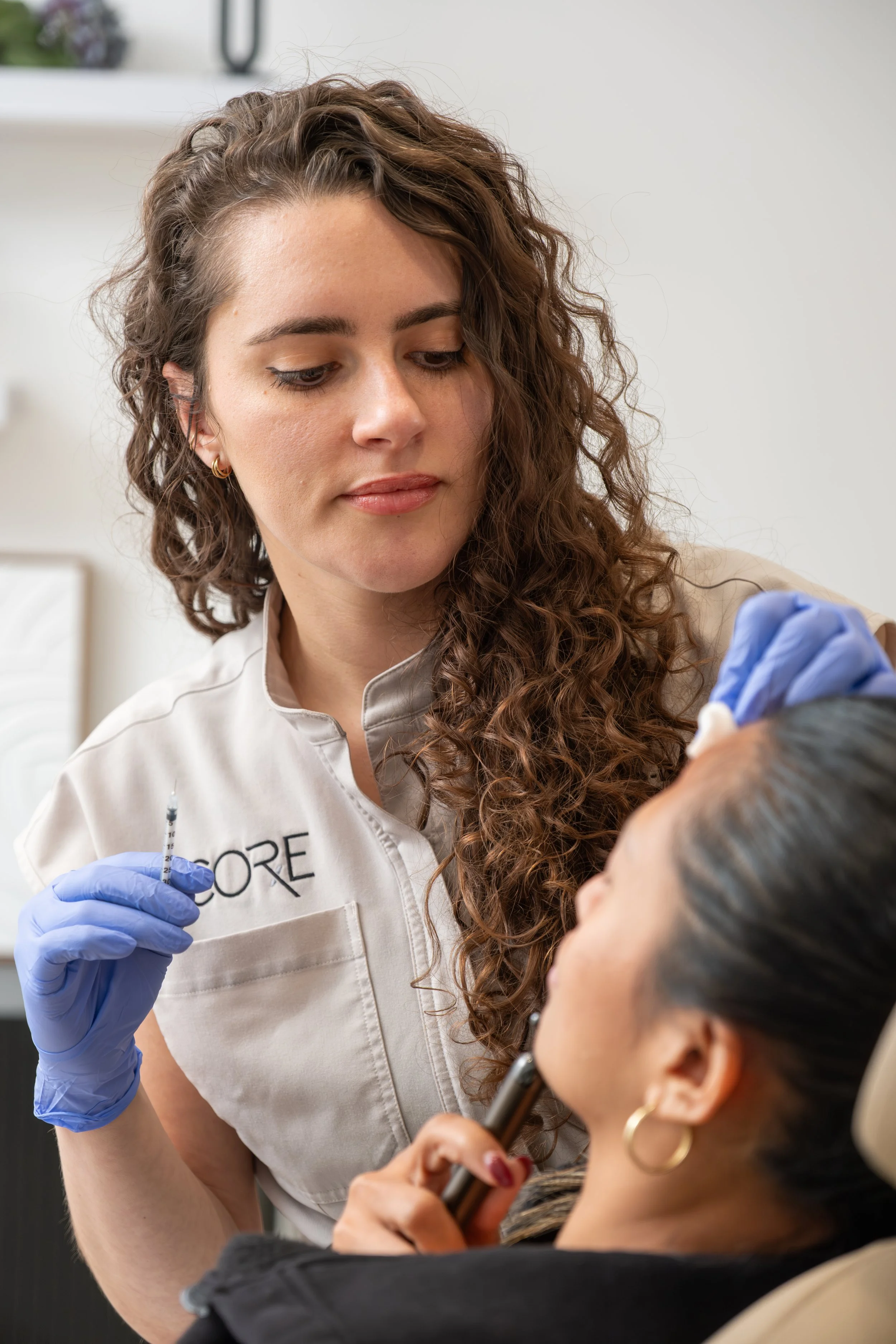
CO2 laser resurfacing is one of the most effective treatments for improving skin texture, fine lines, and acne scars—but understanding the recovery process is just as important as the treatment itself. Knowing what to expect helps you plan your downtime and ensures optimal results.

Walk into any store and you’ll find endless skincare options—but not all products are created equal. Understanding the difference between medical-grade and drugstore skincare can help you make more informed decisions for your skin health and long-term results.
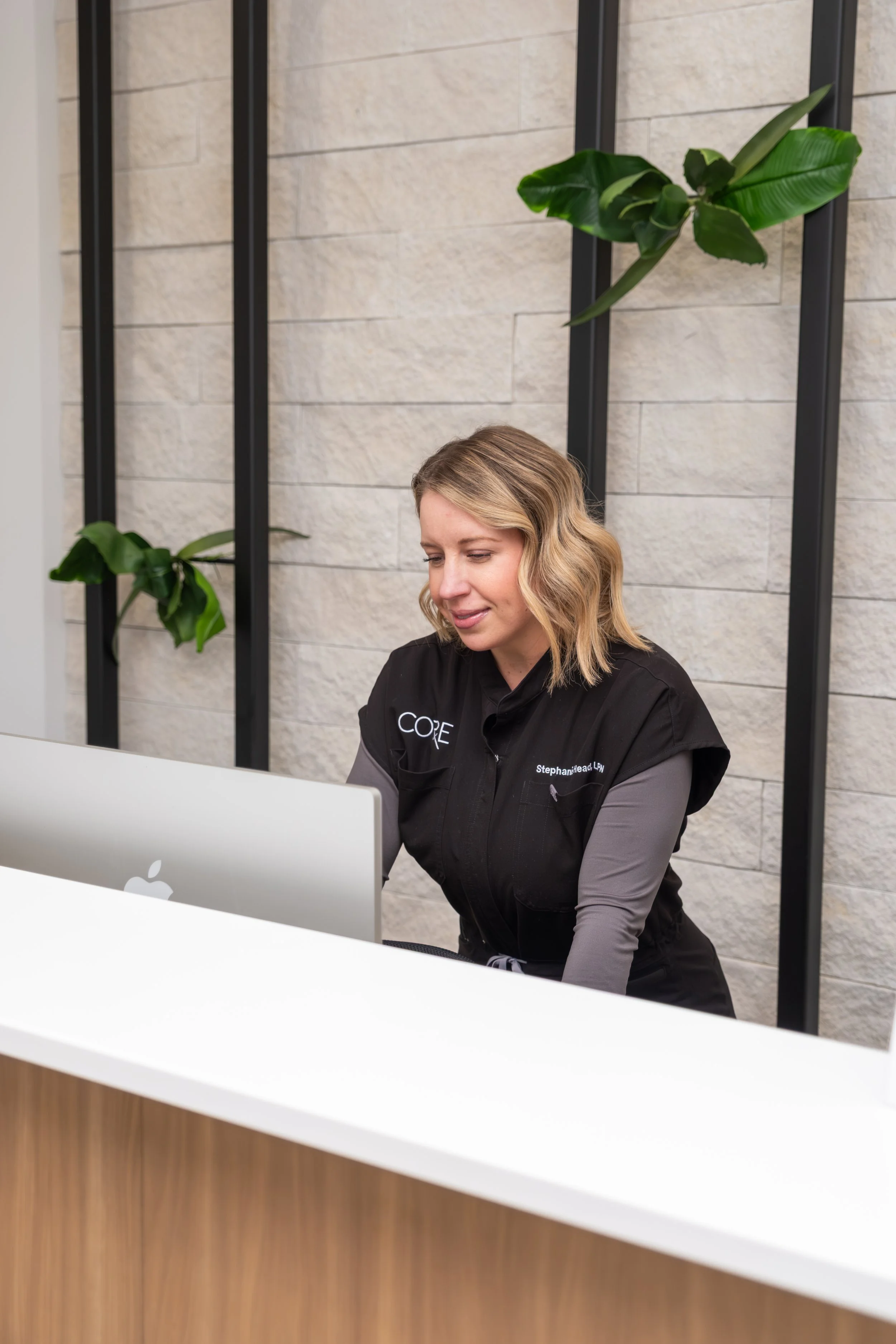
Acne breakouts may fade, but the scars they leave behind can linger—affecting both skin texture and confidence. The good news is that today’s advanced aesthetic treatments offer effective solutions to visibly smooth and restore your skin.
Understanding Acne Scars
Acne scars form when inflammation damages the deeper layers of the skin during breakouts. As the skin heals, it may produce too little or too much collagen, leading to uneven texture, indentations, or discoloration. Because every individual’s skin and scar type is different, a customized treatment approach is essential for optimal results.
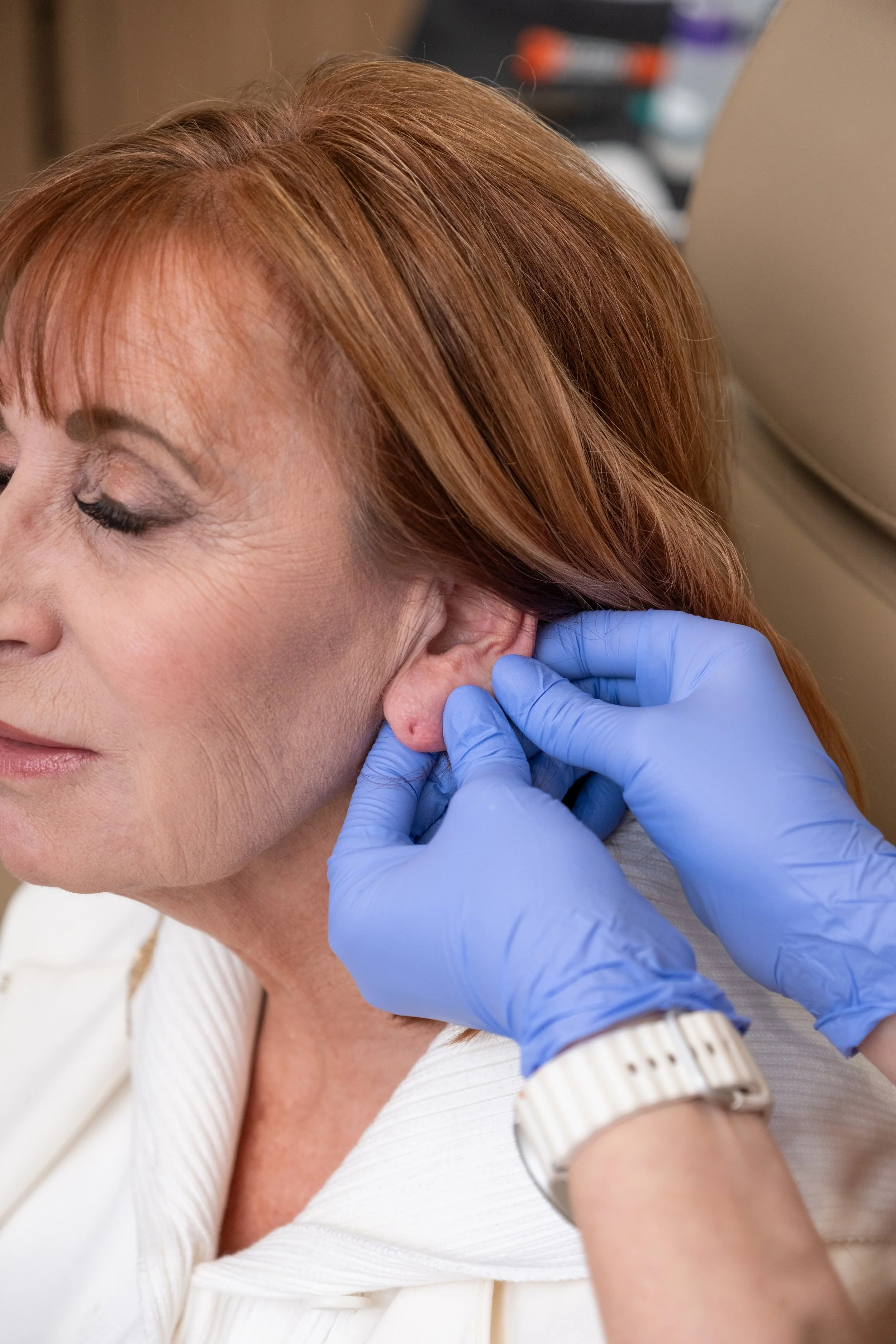
One of the biggest shifts in aesthetic medicine today is moving away from treating a single feature in isolation—and toward a more comprehensive approach known as facial balancing. If you’ve ever wondered why some filler results look effortlessly natural while others appear overdone, this is often the difference.
What Is Facial Balancing?
Facial balancing focuses on improving overall harmony rather than enhancing just one area of the face. Instead of adding volume to a single feature, providers use dermal fillers strategically to create proportion, symmetry, and structural support across multiple areas.
Most treatments use hyaluronic acid–based fillers, which integrate smoothly into the skin and provide soft, natural-looking volume while maintaining flexibility and expression.
Understanding Botox Longevity
Botox is a purified protein that temporarily relaxes the facial muscles responsible for expression lines. By reducing repetitive movement, it softens wrinkles and prevents them from deepening over time.
Most patients enjoy results for 3–4 months, though some may notice longer-lasting effects with consistent, well-timed treatments. Over time, as muscles are trained to contract less forcefully, results can appear to last longer and require fewer touch-ups.
When Will You See Results?
Patients typically begin to notice improvement within 3–7 days, with full results visible at around two weeks. The skin appears smoother, while still maintaining natural facial expression—when performed correctly.
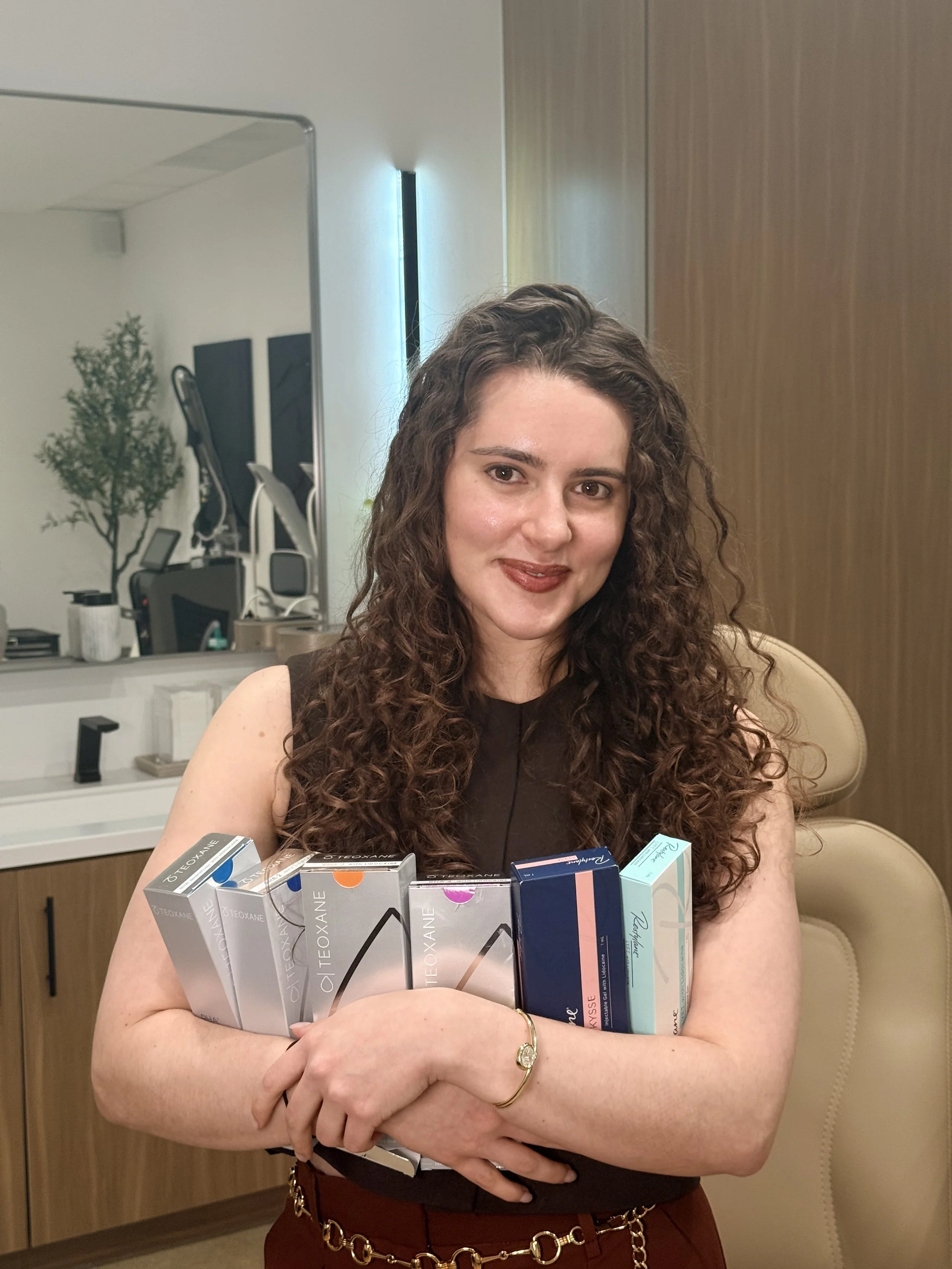
Lip filler is one of the most requested treatments in aesthetic medicine—and when done correctly, the results are subtle, balanced, and beautifully natural. Rather than creating an overfilled look, modern lip enhancement focuses on improving shape, symmetry, and hydration while preserving your unique features.
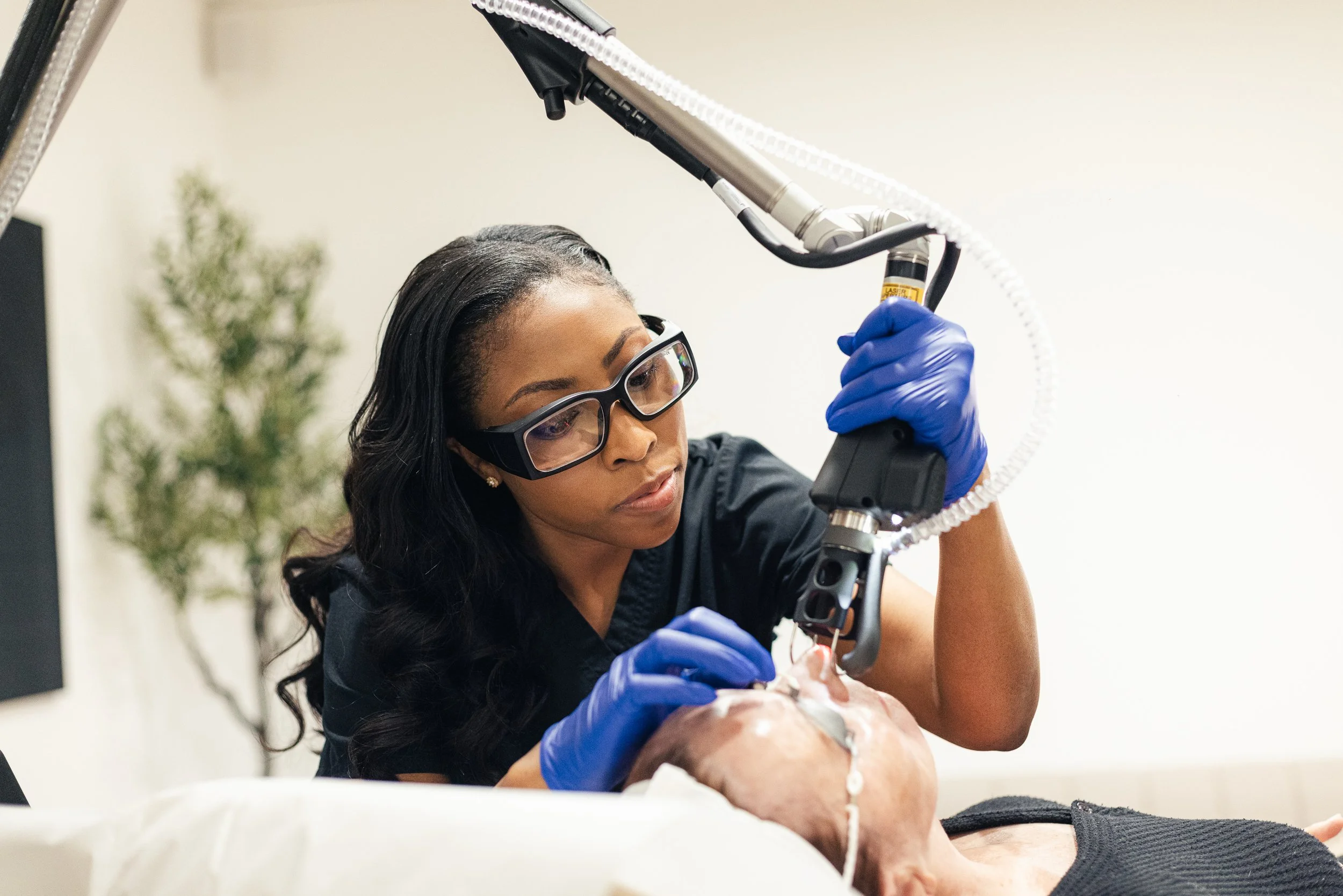
CoolPeel is an advanced fractional CO2 laser treatment that targets the superficial layers of skin with precision. By delivering controlled energy, it stimulates collagen production and accelerates skin renewal—improving overall texture and tone without excessive heat damage to surrounding tissue. This is what allows for effective results with a more comfortable recovery.
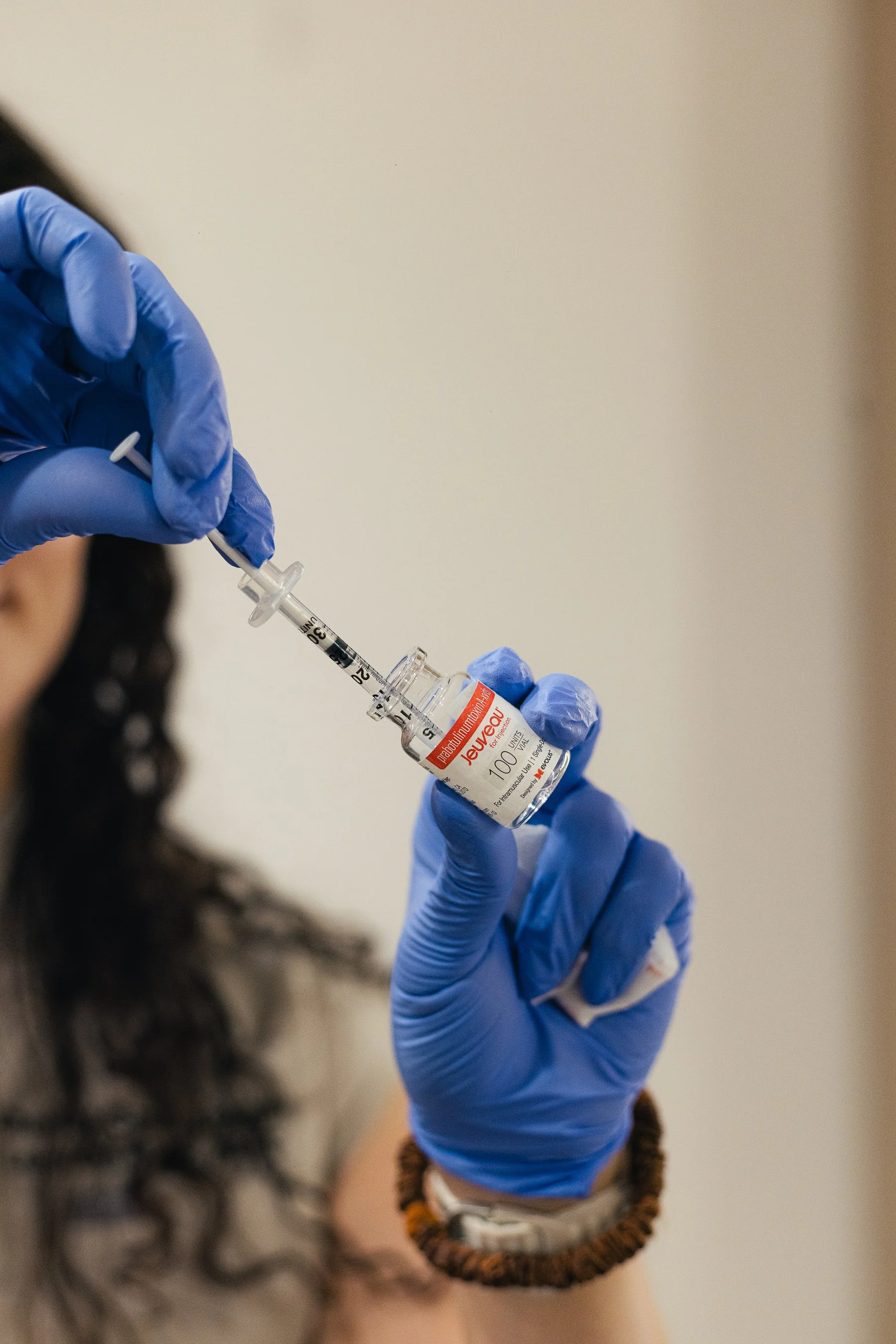
If you’re wondering how many Botox units you may need, the best first step is a professional consultation.
Schedule your consultation with Core Aesthetic today, and our expert team will create a customized treatment plan tailored to your facial anatomy and aesthetic goals.
If you’re wondering how many Botox units you may need, the best first step is a professional consultation.
Schedule your consultation with Core Aesthetic today, and our expert team will create a customized treatment plan tailored to your facial anatomy and aesthetic goals.
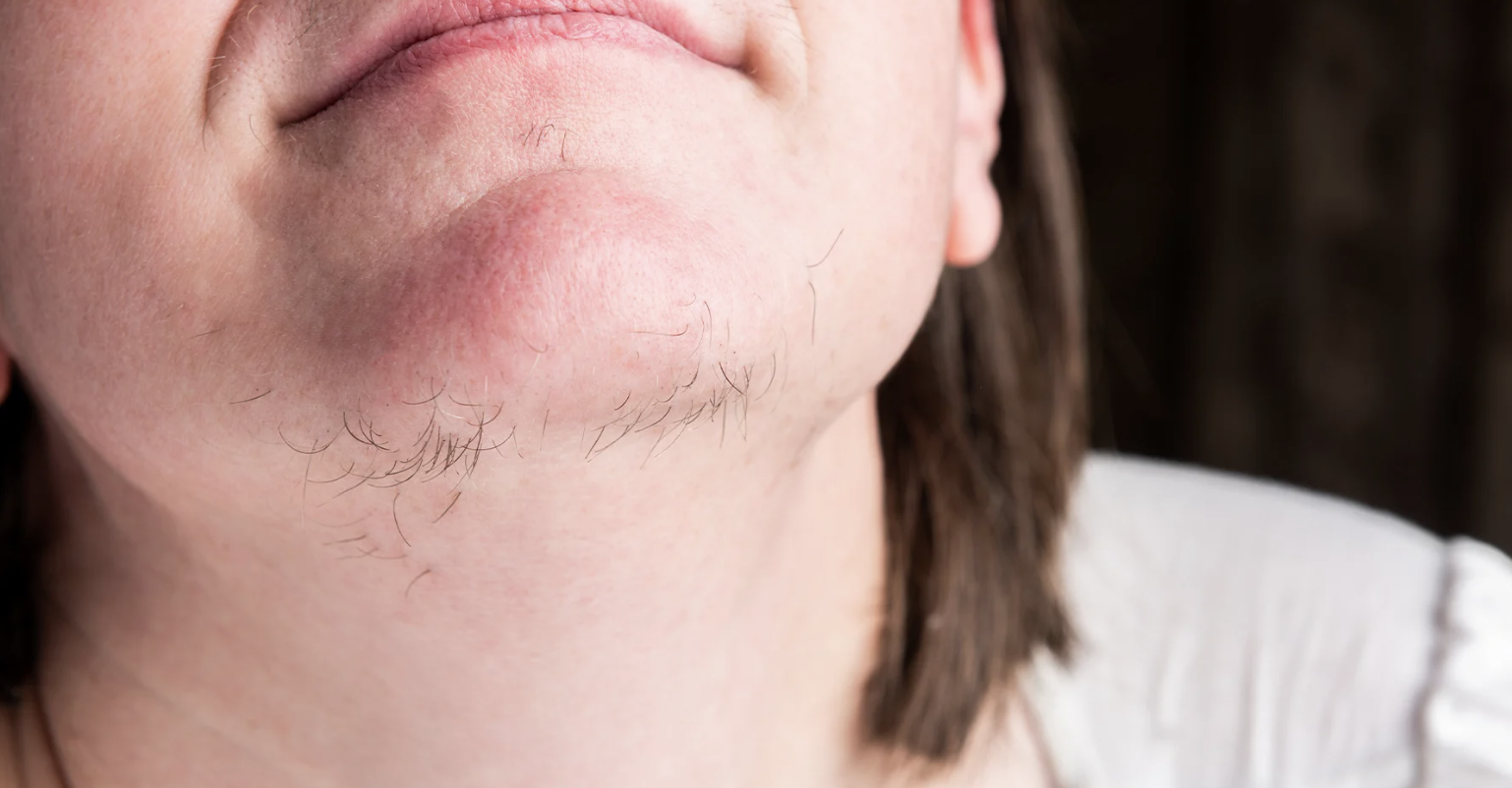
Hormonal changes—especially those associated with PCOS (Polycystic Ovary Syndrome)—often lead to unwanted hair growth, raising an important question: Is laser hair removal safe and effective when hormones are involved?
Laser hair removal is highly effective for long-term hair reduction, but it is not uncommon to notice some hair regrowth over time. While this can feel frustrating, regrowth is usually biological and expected, not a sign that treatment failed. At Core Aesthetic, we focus on helping patients understand why this happens—and how to manage it effectively.
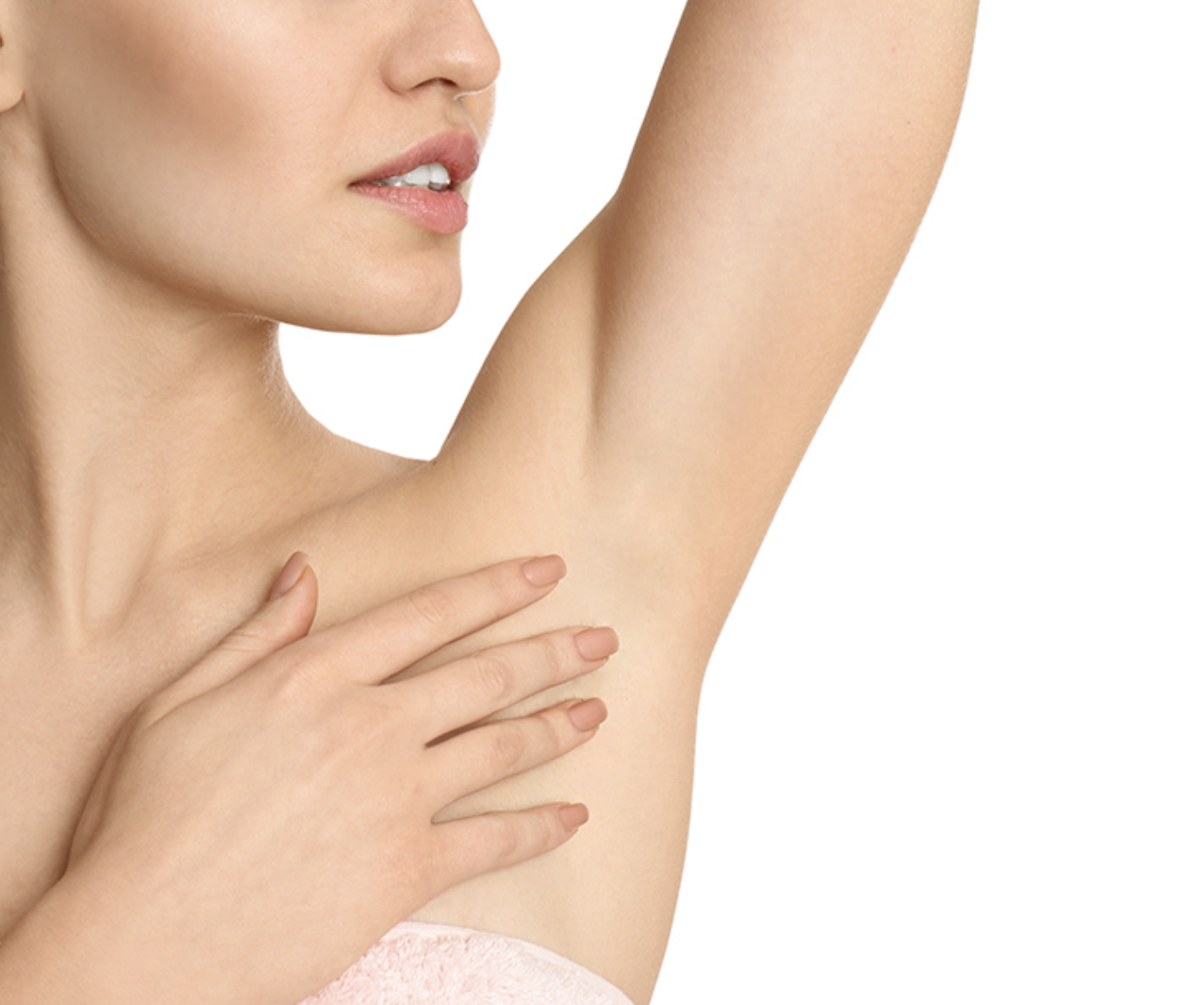
Laser hair removal can deliver smooth, long-lasting hair reduction—but proper care before and after treatment plays a critical role in safety, comfort, and results. While the laser targets hair follicles, your skin’s condition determines how well it tolerates treatment. At Core Aesthetic, physician-guided care ensures that preparation and aftercare are as thoughtful as the treatment itself.
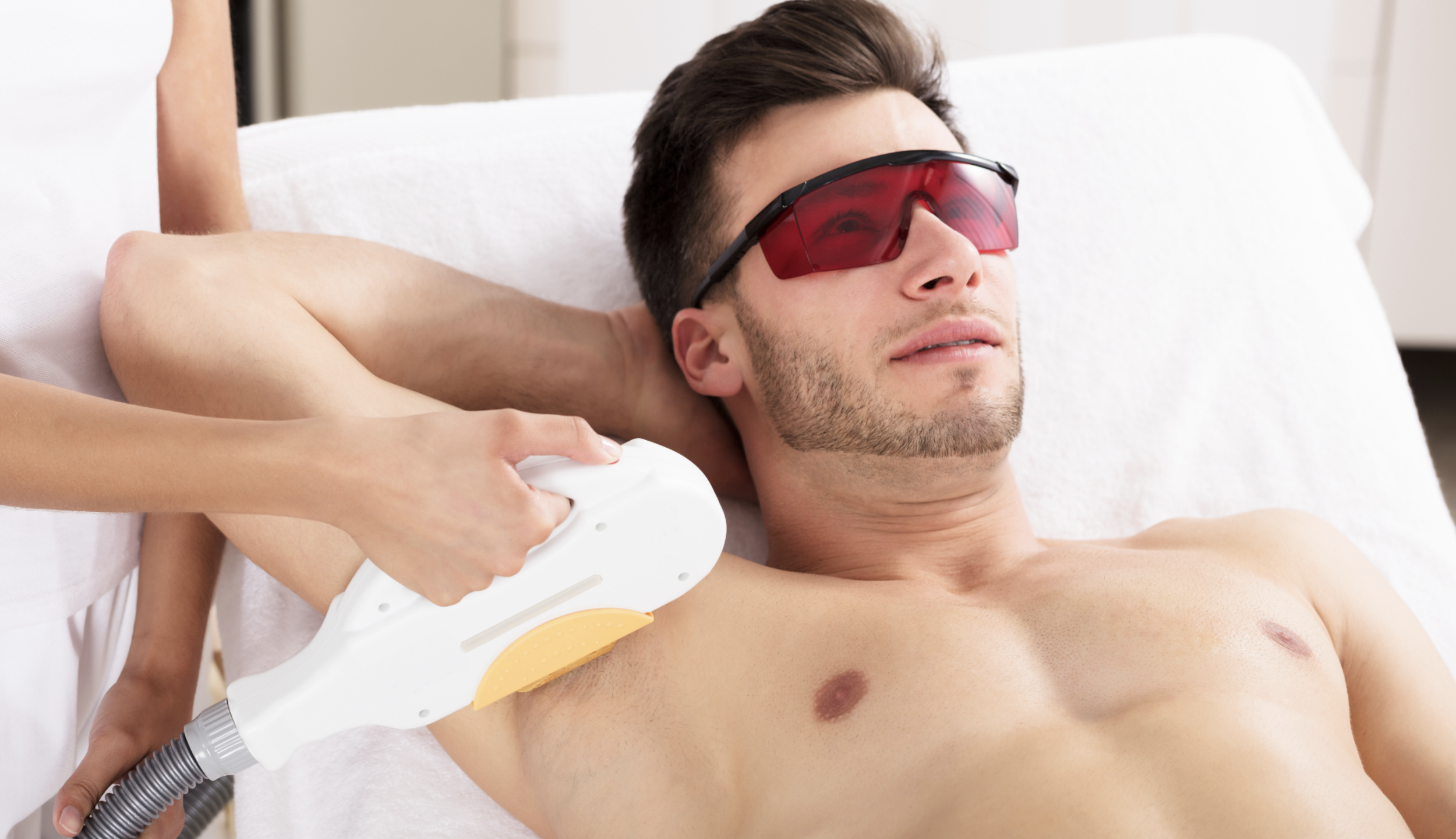
If you feel like you’re constantly battling dark spots despite using all the “right” products, you’re not alone. As a physician, I hear this often: “I’m using Vitamin C, retinol, sunscreen—so why won’t my pigmentation go away?” The answer is simple but often overlooked—pigmentation is deeper, more complex, and more persistent than most people realize.
To truly clear it, we need to go beyond surface-level care.