Glass Skin Is Trending Again — But This Time It’s Powered by Clinical-Grade Ingredients
Glass skin is trending again, and this time the focus is real skin health. Dermatologists and skincare pros now back the routine because it’s powered by ingredients proven to refine texture, tighten pores, and boost hydration. Want that naturally radiant sheen? Start here.
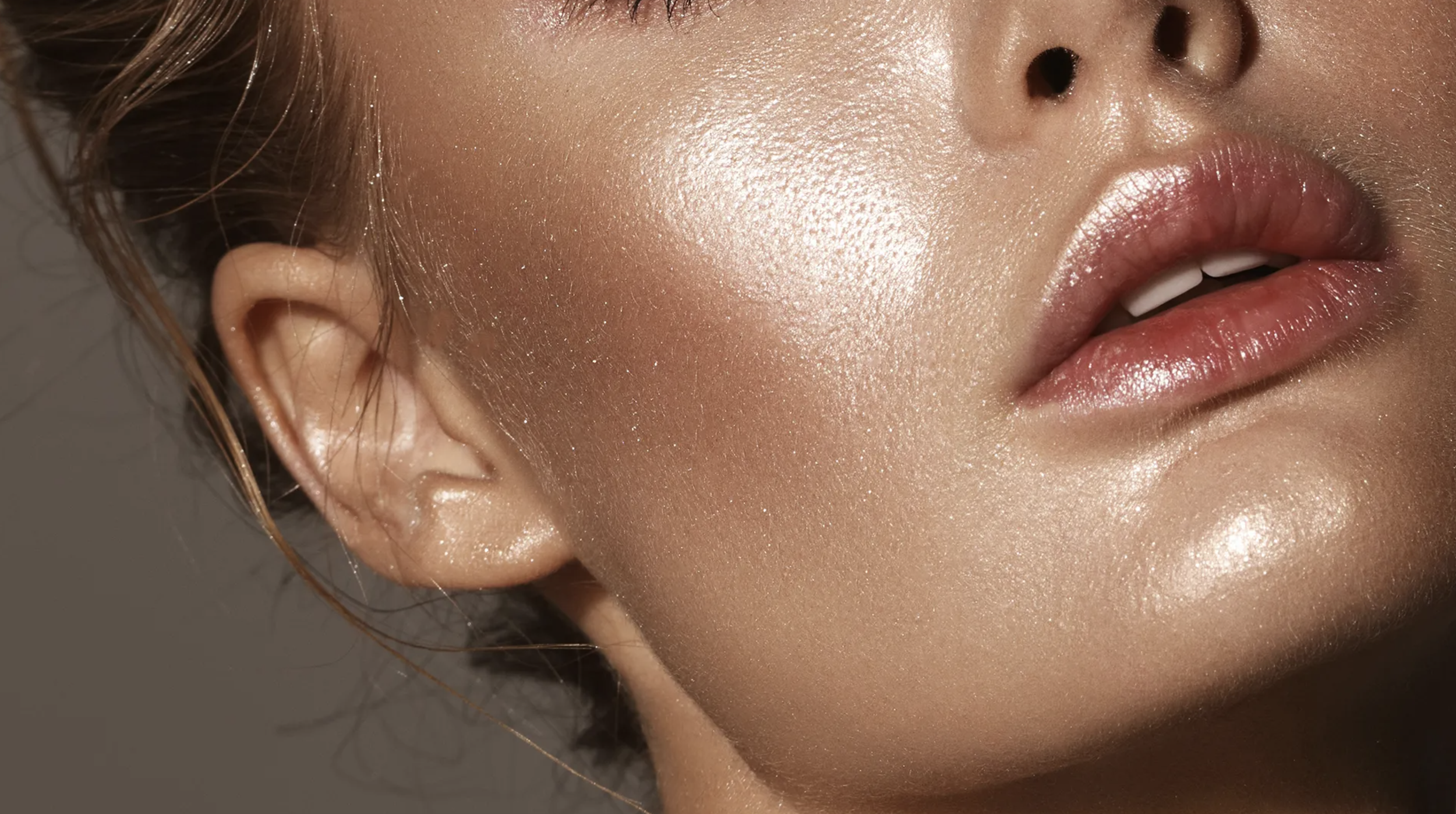
What Is Glass Skin, Really?
Originally inspired by Korean beauty routines, “glass skin” describes skin that’s:
Smooth and pore-refined
Super hydrated
Even-toned with minimal redness
Naturally radiant almost reflective under light
K-beauty popularized layering light, hydrating, barrier-supportive ingredients. Now, dermatology has elevated the trend by pairing those same principles with clinically researched actives for faster, more visible results.
The Hero Ingredients Behind Today’s Glass Skin Trend
1. Niacinamide: A dermatologist favorite.
Brightens uneven tone
Reduces redness
Smooths texture
Minimizes appearance of pores
Search volume for “niacinamide serum” continues to climb — and for good reason.
2. Hyaluronic Acid: Still the hydration king.
Pulls water into the skin
Plumps fine lines
Adds bounce and softness
Tip: Apply to damp skin for best results.
3. Centella Asiatica (Cica): The calming powerhouse.
Reduces irritation
Strengthens the skin barrier
Ideal for sensitive or post-treatment skin
Perfect when you want glow without inflammation.
4. Peptides: The 2025 secret weapon.
Support collagen
Improve firmness
Boost barrier strength
Enhance elasticity
Clinical-grade peptide serums are trending because they deliver that smooth, cushiony finish associated with true glass skin.
Exfoliation — But Make It Gentle
Glass skin is not about over-exfoliation. Instead, the new approach uses:
Mandelic acid or lactic acid (gentle AHAs)
PHA toners
Enzyme exfoliants
These smooth the skin’s surface without compromising the barrier. Over-doing exfoliation is one of the top reasons skin becomes dull, red, or sensitized, the opposite of glass skin.
Most dermatologists recommend exfoliating 1–3 times per week, depending on skin type.
How Long Does It Take to Achieve a Glass Skin Look?
Realistically:
Immediate: Hydration and glow from hyaluronic acid + peptide serums
2-4 weeks: Smoother texture, more even tone
6-8 weeks: Visibly refined pores, improved firmness, sustained luminosity
Consistency matters especially with niacinamide and peptides.
A Beginner-Friendly Glass Skin Routine
AM Routine
Gentle hydrating cleanser
Niacinamide serum
Hyaluronic acid serum (optional)
Lightweight peptide moisturizer
Broad-spectrum SPF 30–50
PM Routine
Cleanser
Gentle exfoliant (2–3x/week) or centella toner
Peptide serum
Barrier-supportive moisturizer
This layering approach hydrates, strengthens, and brightens without overwhelming the skin.
Who Is This Trend Best For?
Glass skin works for almost every skin type, especially:
Dull, dehydrated, or tired-looking skin
Uneven texture or redness
Mild pigmentation
Those wanting a youthful, dewy glow
If you have acne-prone or sensitive skin, stick with gentle exfoliants and look for fragrance-free, medical-grade formulas.
Want expert guidance? Book a consultation and we’ll design a glow-boosting routine tailored to you.