The New Obsession: Skin-Barrier Repair Creams (Why They’re Selling Out Everywhere)
If you’ve been on TikTok, Instagram, or even browsing Google skincare trends lately, you’ve probably noticed one phrase popping up everywhere: skin-barrier repair. And there’s a reason these creams are flying off shelves. Your barrier is the foundation of healthy, glowing, resilient skin.
Today, we’re breaking down why barrier repair matters, how to know if yours is damaged, and what actually works to rebuild it.
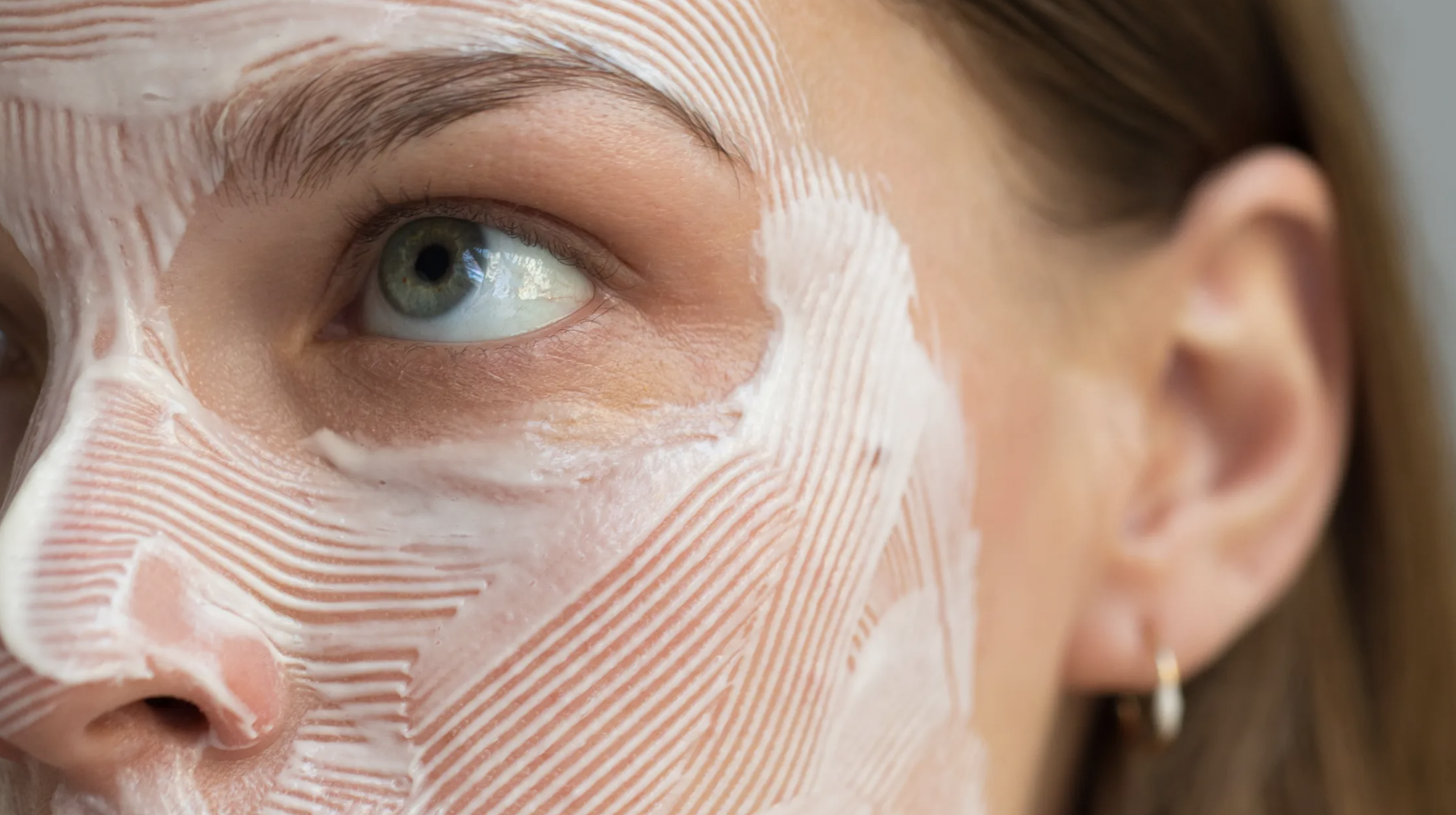
What Is the Skin Barrier — and Why Are So Many People Damaging It?
Your skin barrier is the outermost layer of your skin, made up of ceramides, lipids, and natural oils that lock in moisture and shield you from irritants. But here’s the issue: modern skincare trends often work against your barrier. Over-exfoliation, strong actives (think retinol + acids), hot showers, and even certain cleansers can strip away your protective layer.
That’s why so many people suddenly notice:
Redness
Stinging or burning
Tightness
Breakouts that don’t behave like acne
Rough texture or flaking
These are classic signs of a damaged barrier and the reason barrier repair creams are having their moment.
Ceramides, Lipids & Peptides — Explained Simply
To repair your barrier, you need ingredients that rebuild its structure. Here’s the simplified breakdown:
Ceramides: Think of them as the “glue” that holds your skin cells together. Without ceramides, hydration leaks out and irritants sneak in.
Lipids (Fatty Acids + Cholesterol): These are essential building blocks that keep your barrier flexible, smooth, and strong.
Peptides: These tiny proteins signal your skin to repair itself, restore firmness, and strengthen long-term resilience. Together, they form the winning formula for barrier repair creams that actually work.
How to Rebuild a Damaged Skin Barrier
Good news: with the right routine, your skin can bounce back quickly.
Step 1: Simplify Press pause on exfoliants, scrubs, and strong actives for 1–2 weeks. Let your skin recover.
Step 2: Use a Barrier-Repairing Moisturizer Look for a cream rich in ceramides, lipids, and peptides. These mimic your skin’s natural structure and help rebuild it from the ground up.
Step 3: Add a Supportive Serum Hydrating serums containing hyaluronic acid, niacinamide, or silk-derived peptides can amplify repair and soothe irritation.
Step 4: Protect Your Progress SPF daily. No exceptions. Barrier repair doesn’t stick if UV damage breaks it back down.
The Ideal AM/PM Routine for Barrier Repair
Morning Routine
Gentle hydrating cleanser
Hydrating serum (hyaluronic acid or peptides)
Barrier repair cream
Mineral or hybrid SPF
Evening Routine
Creamy or oil-based cleanser
Peptide or niacinamide serum
Barrier repair cream (generous layer)
If your skin is severely irritated, consider applying your moisturizer on damp skin or even “slugging” with a light occlusive on top.
Why Skin-Barrier Repair Creams Are Selling Out
It’s simple:
They work.
They address multiple concerns at once redness, dryness, irritation, texture, flakiness.
They fit every skin type, every age, every routine.
With so many people experiencing compromised barriers from overactive skincare habits, these creams have become the must-have solution for restoring calm, balance, and glow.
Want a Personalized Barrier-Repair Routine?
The best routine is the one tailored to your skin’s unique needs.
Book a consultation with our team to get matched with the right barrier-repair cream, serums, and supportive products and start seeing calmer, healthier-looking skin.
If you're ready to shop now, our curated barrier-repair essentials are available online and in-store.