Hypochlorous Acid Sprays: The Acne + Redness Solution Your Dermatologist Loves
If you’ve spent any time in the world of TikTok skincare, you’ve probably seen people misting their faces with a mysterious “HOCl spray.” But unlike most viral beauty trends, this one is backed by real dermatology and decades of medical use.
Hypochlorous acid (HOCl) is quickly becoming a must-have for clearer, calmer, healthier skin and for good reason.
Let’s take a closer look at how it works, why dermatologists recommend it, and the right way to add it to your routine.
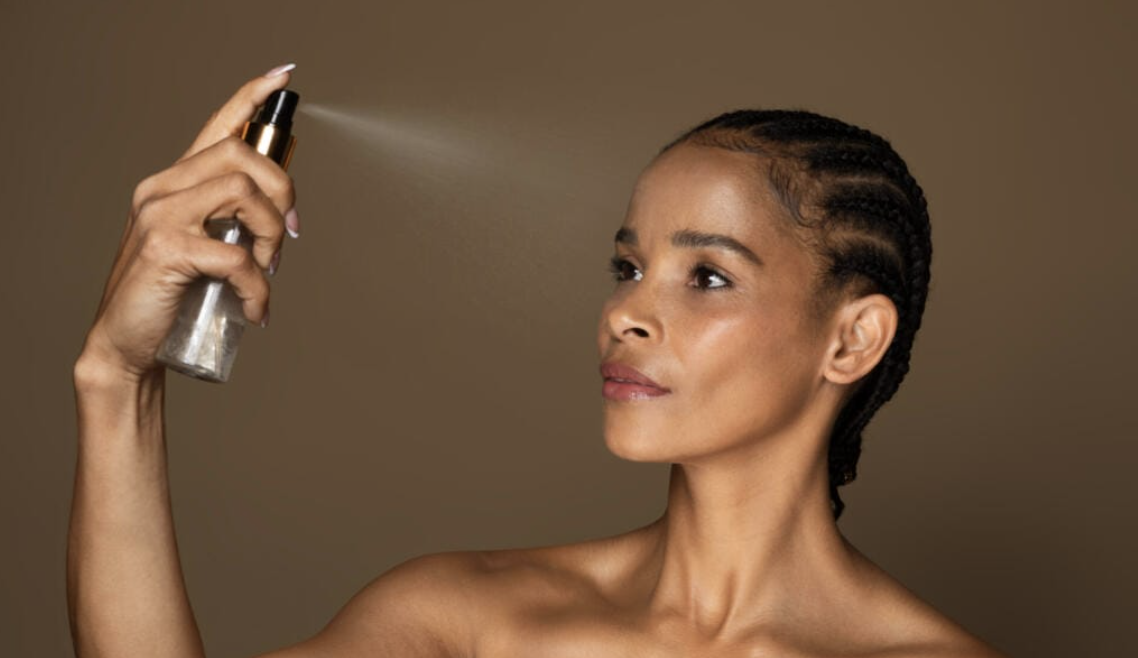
What Is Hypochlorous Acid (HOCl)?
Hypochlorous acid is a molecule your immune system naturally produces to defend against bacteria and calm inflammation.
In skincare form, when stabilized and purified it becomes a gentle yet highly effective treatment for acne, redness, sensitivity, and post-procedure healing.
No wonder HOCl sprays are popping up everywhere from dermatology clinics to TikTok trends.
Why HOCl Is So Effective: The Science
1. Anti-Bacterial Power (Without Harsh Side Effects)
Unlike benzoyl peroxide or strong acids, HOCl kills acne-causing bacteria without disrupting your microbiome or burning your skin. It’s gentle enough for daily use even multiple times per day.
2. Anti-Inflammatory Support for Red, Angry Skin
HOCl reduces swelling and redness, making it ideal for:
Acne flare-ups
Rosacea
Eczema
Perioral dermatitis
Irritated, compromised skin
Dermatologists love HOCl because it calms the skin instantly while helping it heal.
3. Speeds Up Skin Healing
HOCl is used in medical settings to support wound healing. In skincare, it helps repair:
Broken-out skin
Over-exfoliated skin
Post-laser or microneedling inflammation
Compromised moisture barriers
It’s one of the safest ingredients to use after professional treatments because it supports recovery without clogging pores.
Who Is HOCl Best For?
HOCl works across nearly all skin types and concerns.
Great for:
Acne-prone skin
Sensitive or reactive skin
Rosacea + redness
Eczema patches
Oily skin
Post-treatment care (laser, microneedling, peels)
Athletes or anyone dealing with sweat-induced breakouts
Safe for:
Teens
Pregnant or breastfeeding individuals
Highly sensitive skin
Barrier-compromised skin
HOCl is one of the few skincare ingredients tolerated by almost everyone.
How to Use HOCl Correctly
To get the most benefit, use it consistently and in the right order.
After Cleansing (AM + PM)
Cleanse your skin.
Spray HOCl onto your face (or apply with a reusable cotton round).
Let it dry for 10–15 seconds.
Follow with serums and moisturizer.
For Acne
Mist the face before applying acne treatments to reduce irritation and boost results.
For Redness or Sensitivity
Use 2–3 times daily to calm flare-ups.
Post-Procedure
Most aesthetic providers recommend HOCl immediately after:
Microneedling
Chemical peels
Laser treatments
IPL
Extractions
It soothes, sanitizes, and accelerates healing.
Results: When Will You See a Difference?
Immediately: Reduced redness + calmer skin
1-3 days: Fewer inflamed breakouts
1-2 weeks: Clearer, stronger, less reactive skin
4+ weeks: More stable microbiome, reduced flare-ups, better skin texture
HOCl isn’t just a quick fix, it helps reset your skin’s natural defenses.
Why Dermatologists Love It
Because HOCl:
Is clinically backed
Works on both acne and sensitivity
Is safe for daily and long-term use
Pairs well with all actives (retinol, vitamin C, AHAs/BHAs)
Reduces irritation from stronger treatments
It’s gentle enough for kids yet effective enough for medical offices.
The Smartest Way to Start
For breakouts, redness, or sensitive skin, adding a high-quality hypochlorous acid spray to your routine is one of the easiest and safest ways to improve your skin quickly.
Want personalized recommendations? Book a skin consultation with our team or stop by for product guidance tailored to your concerns.