How Long Does HA Filler Actually Last? What Most Patients Aren’t Told
When considering Hyaluronic Acid (HA) fillers, one of the most important—and often misunderstood—questions is longevity. Many patients are told fillers last “a year” or “18 months,” but the reality is more nuanced. At Core Aesthetic, we believe informed decisions start with understanding why HA filler duration varies and why permanence is neither realistic nor desirable.
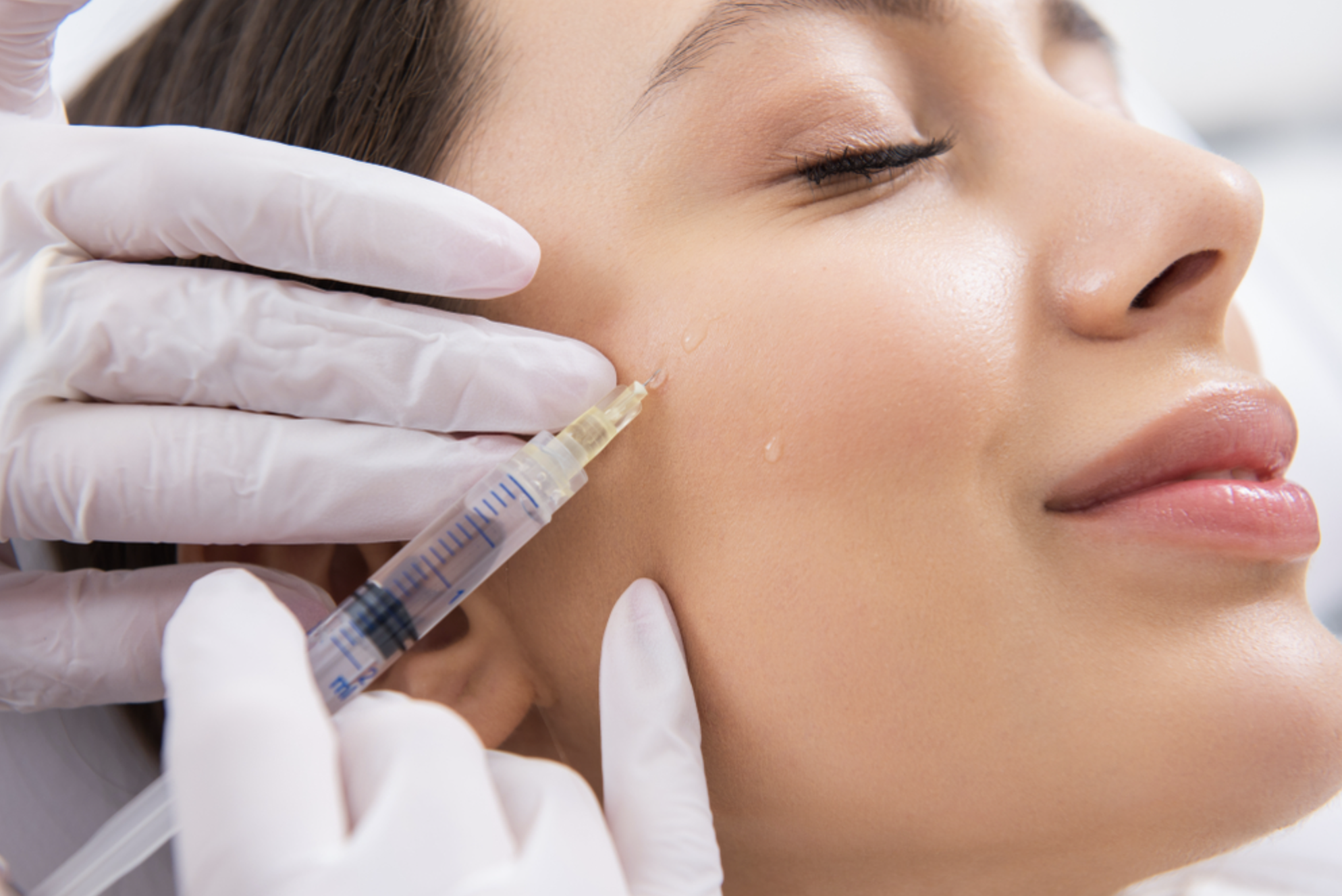
Area-Dependent Longevity: Facial Movement Matters
The longevity of HA filler depends heavily on where it is placed. Different areas of the face experience different levels of movement, pressure, and metabolic activity.
Low-movement areas, such as the cheeks and jawline, tend to retain filler longer—often 12 to 18 months—because the product remains relatively undisturbed.
Moderate-movement areas, including nasolabial folds, typically maintain results for 9 to 12 months.
High-movement areas, such as the lips, metabolize filler faster due to constant motion, speaking, and eating. In these areas, results may last closer to 6 to 9 months.
This gradual breakdown is normal and expected. HA fillers soften and integrate over time rather than disappearing suddenly.
Individual Metabolism: No Two Bodies Are the Same
Your body’s natural metabolism plays a significant role in how long filler lasts. Factors such as age, activity level, muscle strength, skin thickness, and overall health influence how quickly hyaluronic acid is broken down.
Patients with higher metabolic rates or very expressive facial muscles may notice filler wearing off sooner, while others retain subtle improvements longer. This is why results vary—even when the same product is used.
Why “Lasting Forever” Is a Myth
HA fillers are intentionally temporary. Hyaluronic acid is already present in the body, and over time it is safely metabolized. Claims that fillers last forever are misleading and medically inaccurate.
This temporary nature is actually a safety and aesthetic advantage. It allows providers to:
Adjust treatment as facial anatomy changes with age
Refine results over time rather than committing to permanence
Reverse or modify filler if necessary
Aesthetic medicine is about balance, not permanence.
Smarter Planning Leads to Better Results
Rather than trying to make filler last as long as possible in one session, a more effective approach is strategic, conservative maintenance. Smaller, well-timed touch-ups often produce more natural, longer-lasting results than overcorrection.
At Core Aesthetic, filler planning is anatomy-based, individualized, and timeline-aware. We focus on realistic expectations, facial harmony, and long-term skin health—not exaggerated promises.
Plan smarter. Book a customized filler longevity consultation at Core Aesthetic to understand what works best for your facial structure, metabolism, and aesthetic goals—before your treatment begins.