

Whether you want to know about the latest trends in skincare, beauty treatments, compounding, or overall wellness, we’ve (probably) covered it! Be sure to check back regularly for any new posts - thank you for joining us on this journey to a happier, healthier, more beautiful you!
Looking for a specific topic? ↓
Don’t know where to start? Try searching: compounding | skincare | Morpheus8

Sculptra for Cheeks, Temples, and Jawline: Where It Works Best
Where does Sculptra actually make the biggest difference? The answer isn’t everywhere, it’s strategic placement. At Core Aesthetics, we focus on high-impact zones where collagen stimulation delivers the most natural, long-term improvement: the cheeks, temples, and jawline.

How Long Does Sculptra Last? The Truth About Maintenance
Sculptra doesn’t work like filler and that’s exactly why it lasts longer. At Core Aesthetics, we believe informed patients make the best decisions. So let’s break down the real timeline of Sculptra results, what maintenance actually looks like, and how to plan a smart, long-term collagen strategy.
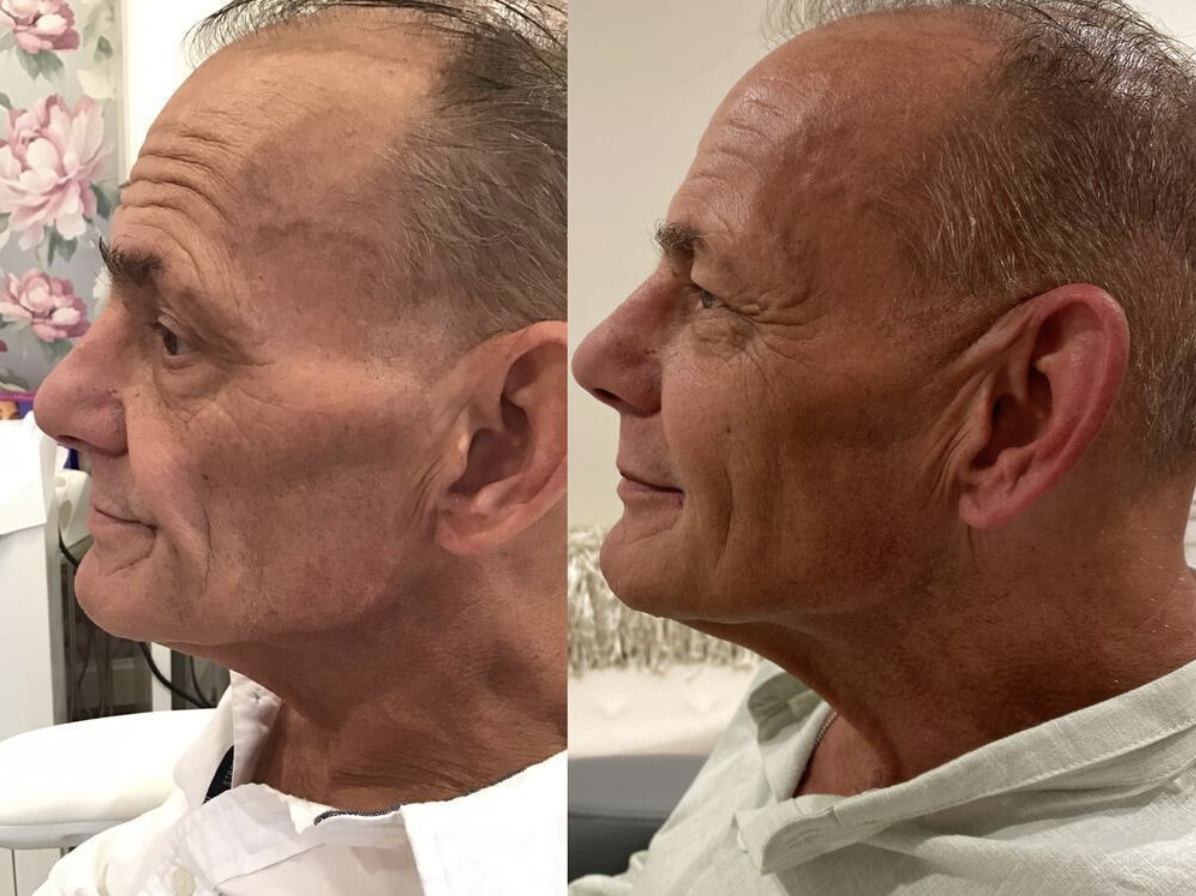
Sculptra for Men: Why More Men Are Choosing Collagen Over Filler
For years, aesthetic treatments were marketed almost exclusively toward women. That’s changing fast. Men want to look refreshed, strong, and rested. When it comes to facial rejuvenation, collagen stimulation is outperforming traditional fillers for male patients.
At Core Aesthetics, we’re seeing a clear shift: more men are choosing Sculptra because it works with their natural facial structure, not against it.
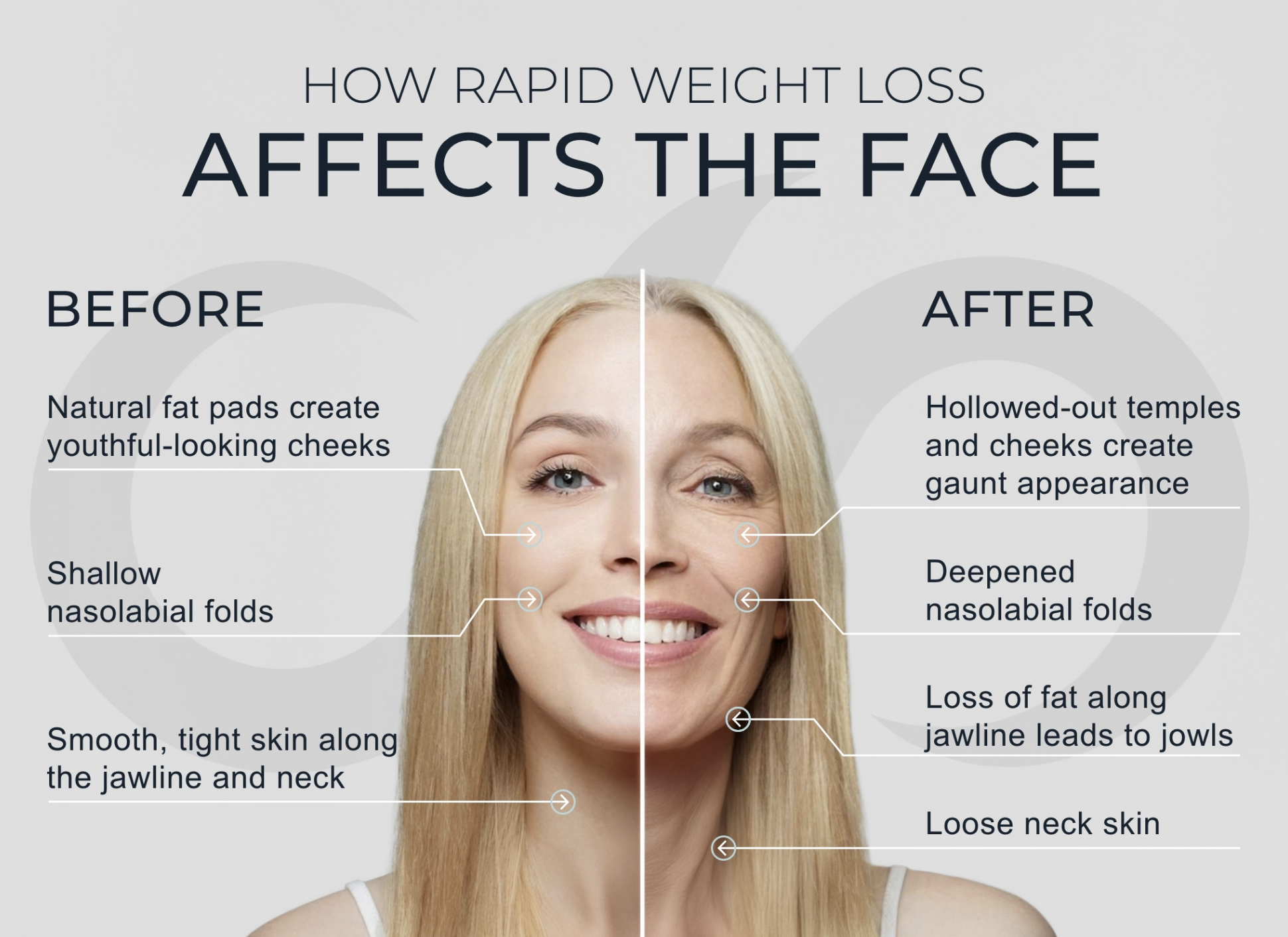
Sculptra for Weight Loss Faces: Why Filler Isn’t Enough
Losing weight can feel empowering until your face starts to look tired, hollow, or aged. Many patients are surprised to learn that weight loss affects facial volume just as much as the body. At Core Aesthetics, we treat this concern daily, and while fillers can help temporarily, they often fall short when true structural support has been lost.

How Sculptra Restores Volume Without Making You Look “Done”
One of the biggest fears patients have when considering injectables is simple: “I don’t want to look overfilled, frozen, or obvious.” Honestly, that concern is valid.
At Core Aesthetics, Sculptra is one of our go-to treatments for restoring volume without changing the way your face moves, expresses, or looks like you.
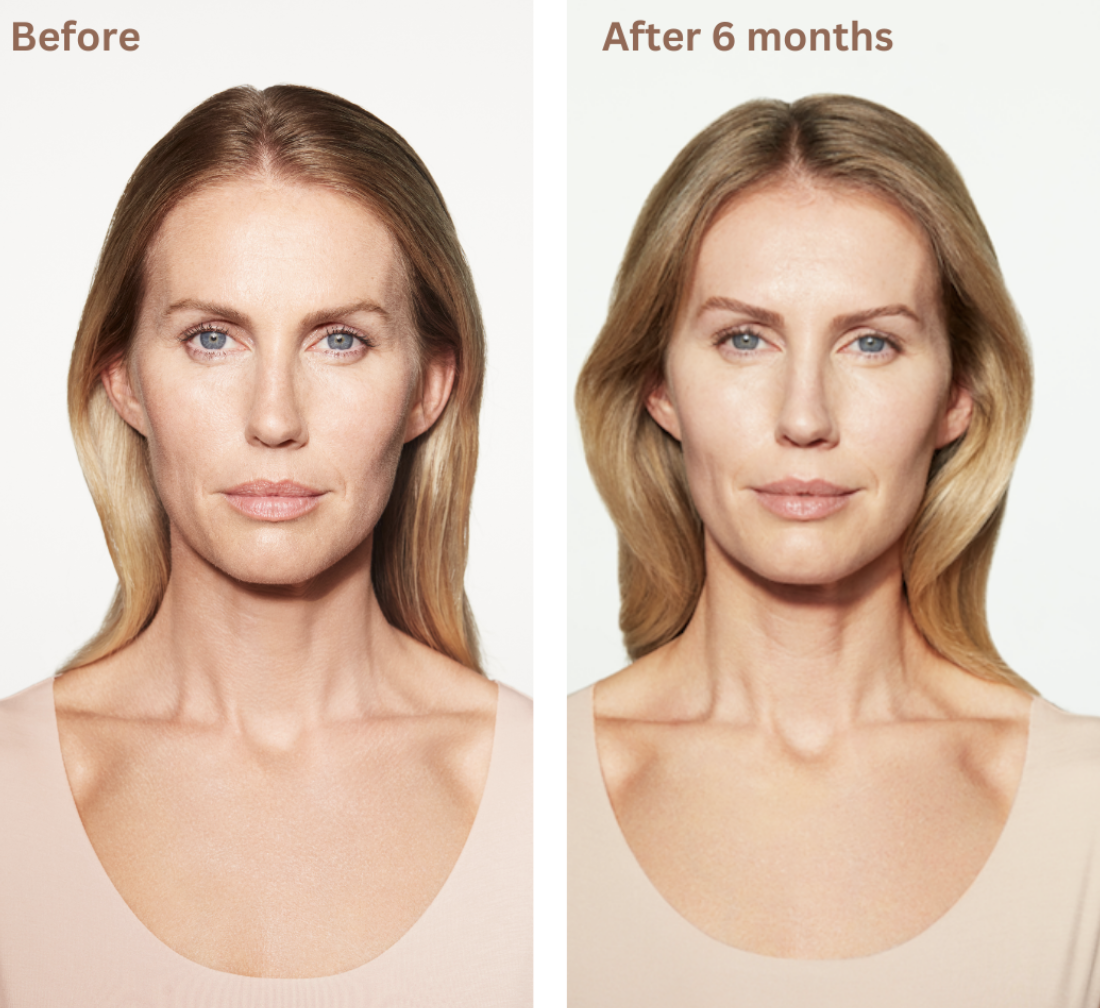
Why Sculptra Is the Gold Standard for Long-Term Facial Rejuvenation
In 2025, aesthetic medicine has shifted away from quick fixes and toward long-term facial rejuvenation.
Patients don’t just want instant results anymore. They want lasting improvement, healthier skin, and outcomes that look like them, only refreshed.
That’s exactly why Sculptra has earned its reputation as the gold standard in long-term facial rejuvenation.
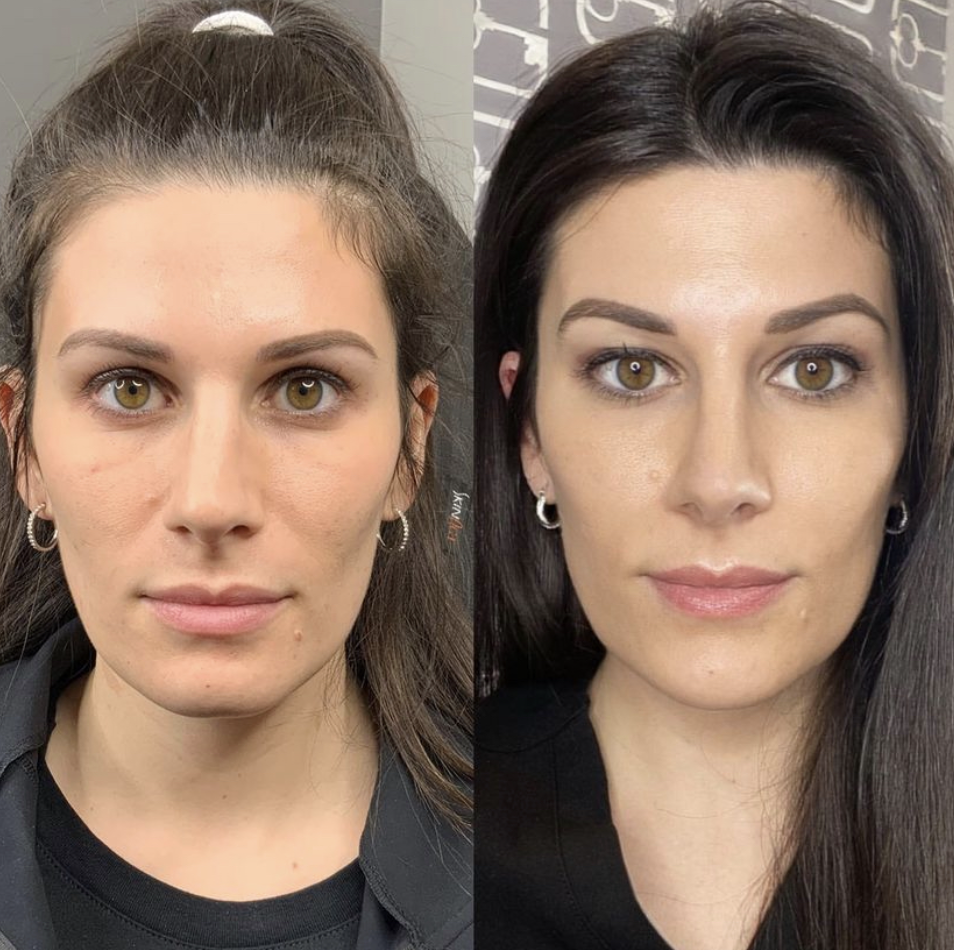
The Best Age to Start Sculptra (And Why Waiting Can Cost You)
Most people think of aesthetic treatments as something you do after aging. But in 2025, searches for preventative aesthetics, collagen stimulators, and Sculptra injections are surging because patients are learning one powerful truth: Collagen loss starts earlier than you think. And once it’s gone, it’s much harder to replace.
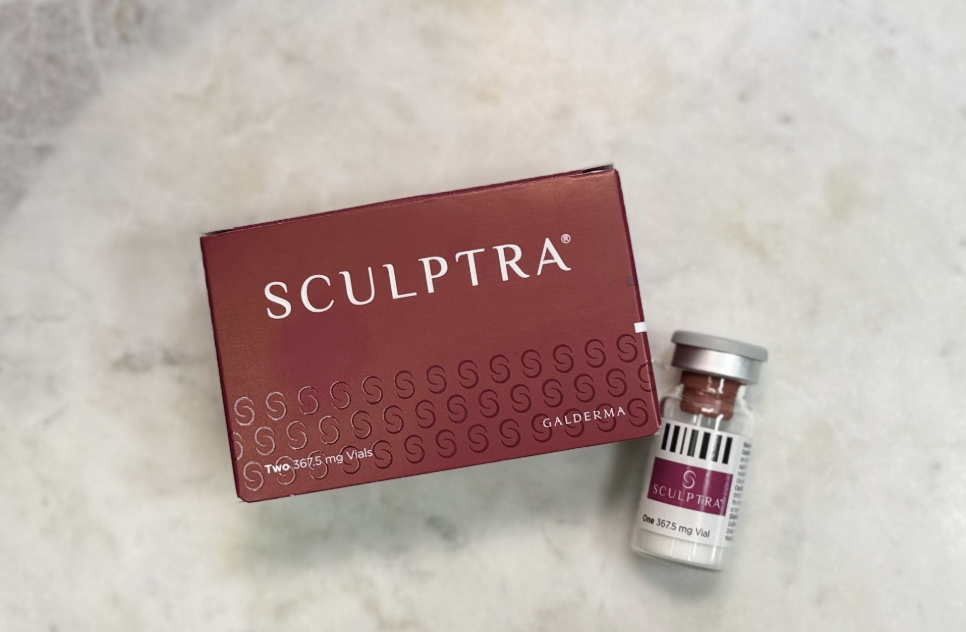
What Sculptra Really Does (And What It Doesn’t)
If you’ve been researching Sculptra injections, chances are you’ve seen it described as a miracle collagen booster, a liquid facelift, or a long-lasting filler alternative.

Sculptra vs Filler: Why They Are NOT the Same Thing
If you’re exploring non-surgical facial rejuvenation, you’ve probably come across two popular options: Sculptra and dermal fillers. They both fall under the umbrella of injectable treatments, but that’s where the similarities end.
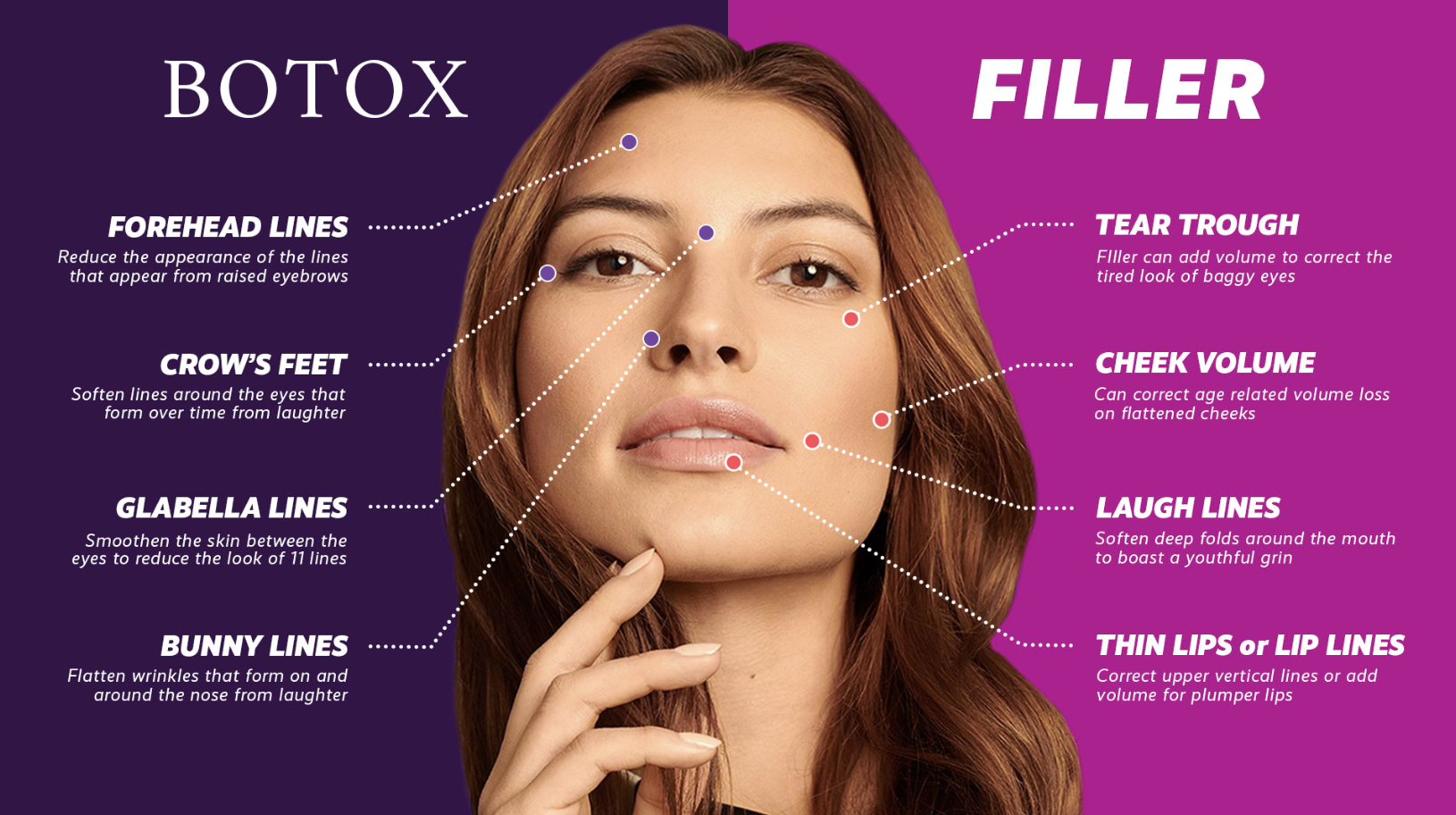
Filler + Botox: Why Timing and Order Matter for Natural, Long-Lasting Results
Botox and dermal fillers are often grouped together, but they serve very different purposes in facial aesthetics. When used strategically and in the correct order, they enhance each other. When used without planning, results may appear unnatural, short-lived, or disproportionate. At Core Aesthetic, we approach these treatments as part of a coordinated facial strategy—because timing and sequence directly impact outcomes.

Why Injector Skill Matters More Than the Brand: A Physician-Led Perspective
In aesthetic medicine, filler brands often receive the spotlight. Patients are told that a specific name or formulation is the key to great results. While product quality matters, clinical reality tells a different story: injector skill has a far greater impact on safety, results, and longevity than the brand itself.

Filler and Aging: When to Add, When to Stop, and When to Switch Strategies
Dermal fillers can enhance facial balance and restore youthful structure—but only when used at the right time, in the right way. Aging is not static, and filler should never be treated as a lifelong “top-up” solution. At Core Aesthetic, we emphasize sustainable facial planning: knowing when filler adds value, when it plateaus, and when other modalities offer better outcomes.

What Happens to Hyaluronic Acid (HA) Filler Over Time? A Physician-Led Look at the Long Game
Hyaluronic Acid (HA) fillers are often described as “temporary,” but that word alone does not fully explain what happens inside your face months and years after treatment. At Core Aesthetic, we emphasize long-term facial planning—not one-time volume—because HA filler behaves dynamically within your tissue.
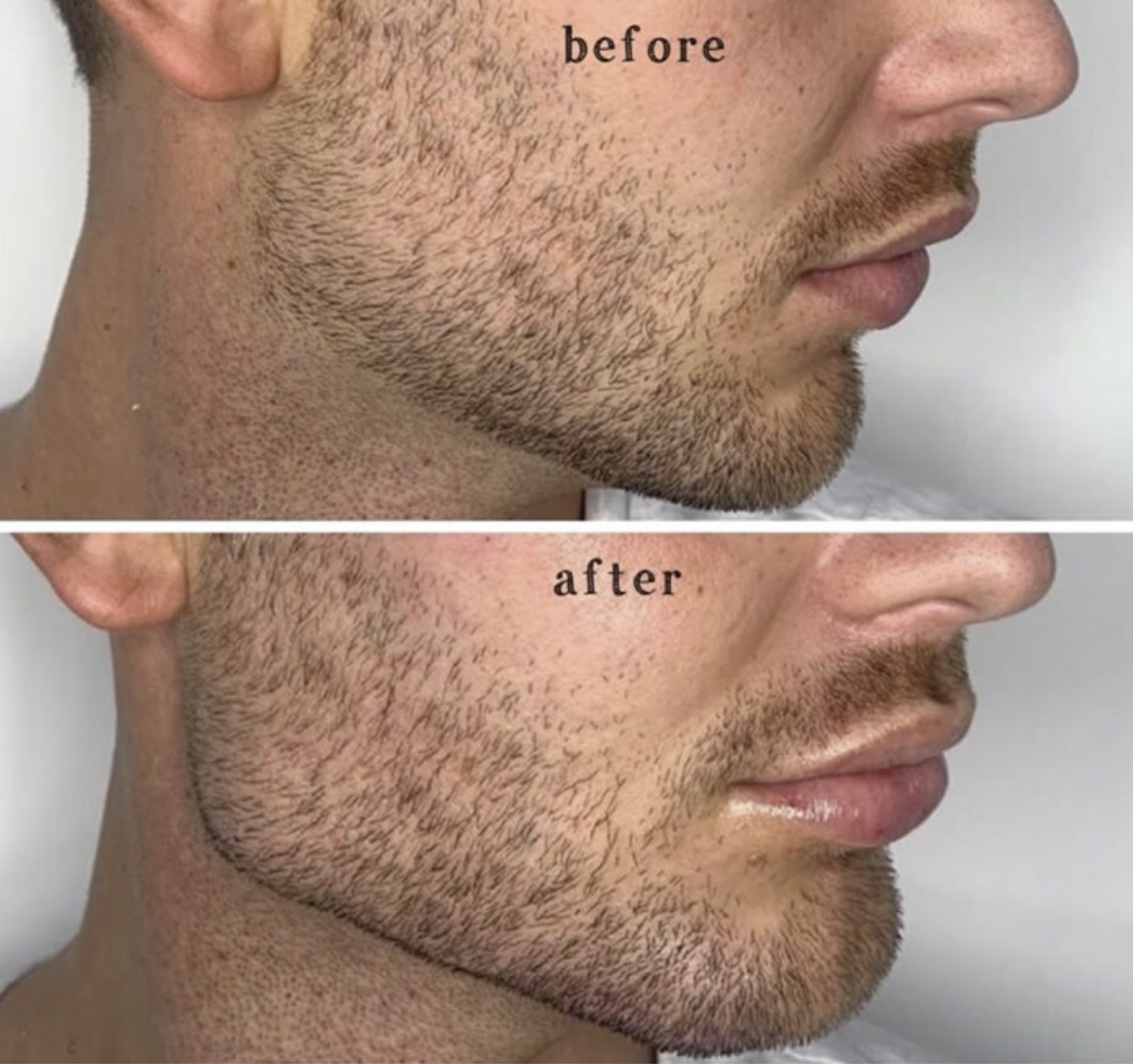
HA Filler for Men: Structure Over Softness
Aesthetic treatments for men require a fundamentally different approach than treatments designed for women. While many filler techniques focus on softness and contour blending, HA filler for men should emphasize structure, definition, and strength. At Core Aesthetic, male facial enhancement is anatomy-driven, conservative, and focused on preserving masculine identity.

Why More Filler Is NOT Better
In aesthetic medicine, it is a common misconception that adding more filler will automatically improve results. In reality, excessive or repeated filler often leads to the opposite outcome—distorted contours, tissue stress, and changes that become harder to correct over time. At Core Aesthetic, filler is approached as a structural tool, not a volume-based solution.

HA Filler After Weight Loss: Restoring Balance
Weight loss can be a meaningful health milestone, but many patients are surprised by how dramatically it can change their face. New hollows, sharper angles, and a tired or aged appearance are common concerns—even when the body feels healthier. At Core Aesthetic, we approach Hyaluronic Acid (HA) filler after weight loss with a clear understanding of what was lost and what should be restored.
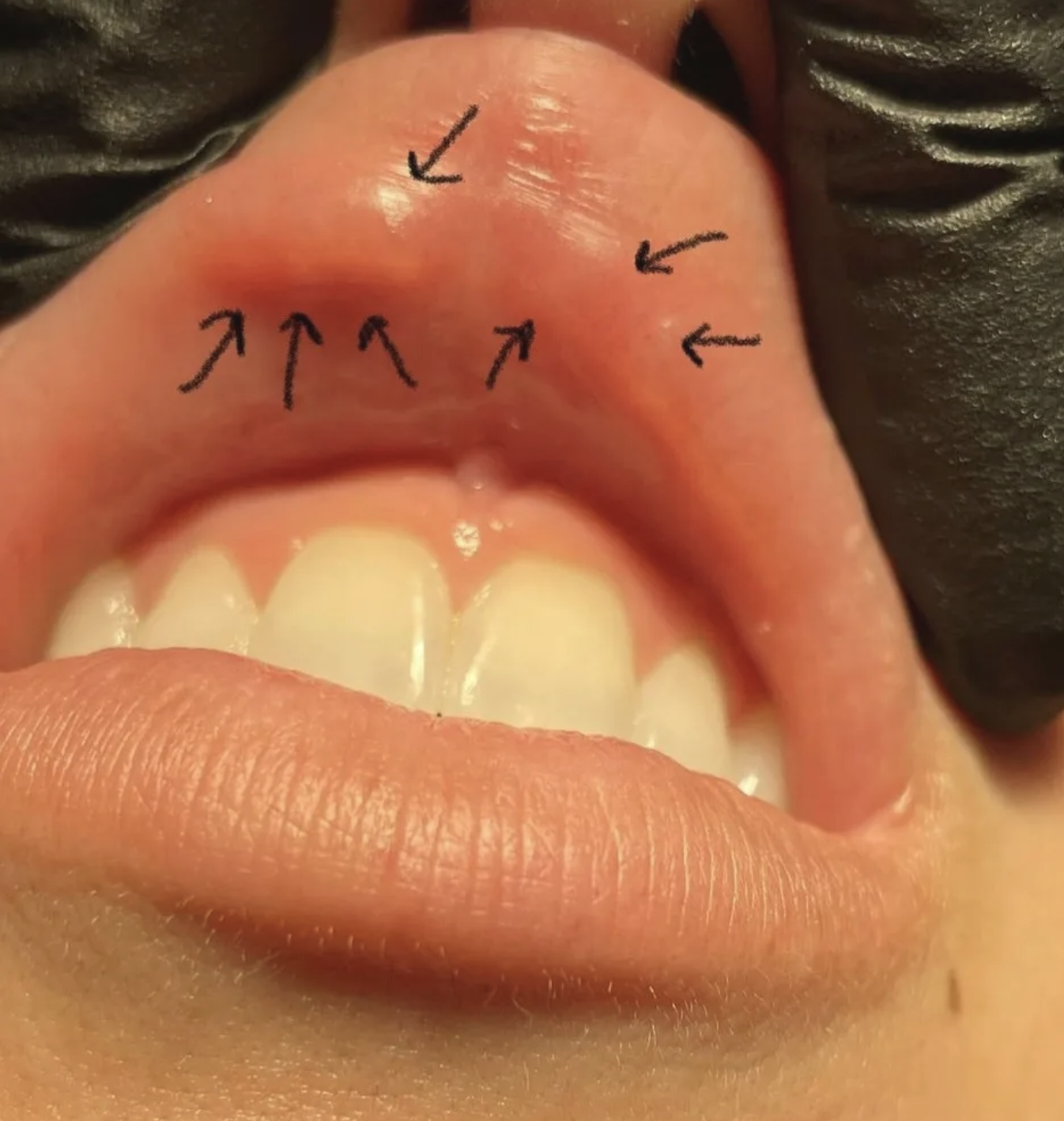
Filler Migration: Why It Happens and How We Prevent It
Filler migration is one of the most common reasons patients feel dissatisfied with their results over time. It often appears as puffiness, blurred contours, or fullness in areas where filler was never intended to sit. Importantly, migration is rarely caused by a single treatment—it is usually the result of technique, product choice, and cumulative decisions made over multiple sessions.
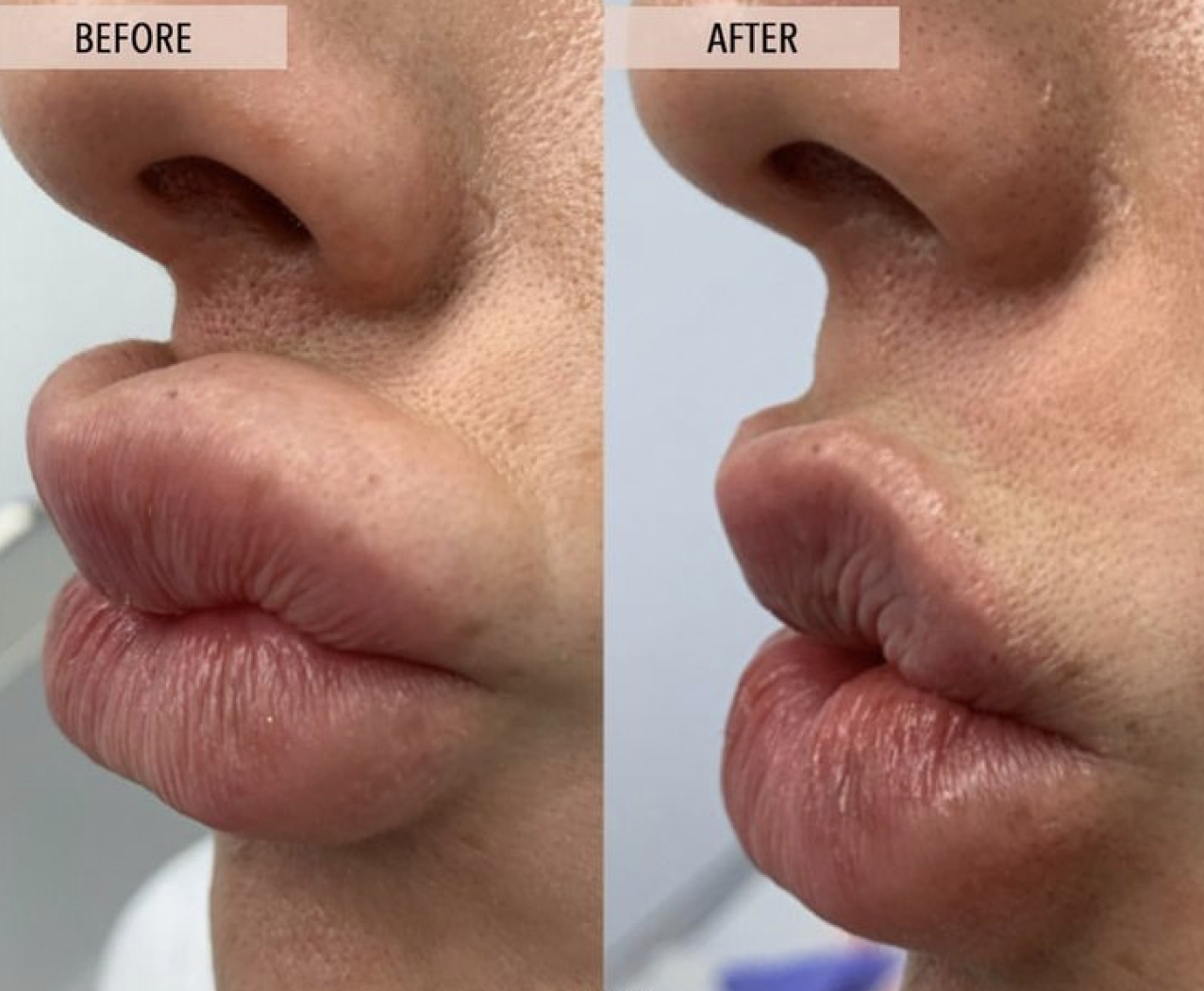
Can HA Filler Be Dissolved? What You Need to Know
One of the key advantages of Hyaluronic Acid (HA) fillers is that they are reversible. When results feel overdone, uneven, or no longer align with facial balance, HA filler can be dissolved using an enzyme called hyaluronidase. While this option provides reassurance, filler dissolution should never be rushed or treated casually.

Jawline Filler Without the “Boxy” Look
Jawline filler is often requested for definition, contour, and balance—but when done incorrectly, it can create a heavy or “boxy” appearance that overwhelms the lower face. At Core Aesthetic, jawline enhancement is not about adding bulk. It is about restoring structure thoughtfully, in a way that complements natural anatomy and facial movement.

Tear Trough Filler: Who Should (and Should NOT) Do It
Tear trough filler is often marketed as a quick fix for tired-looking eyes—but in reality, it is one of the most technically demanding and highest-risk filler treatments. At Core Aesthetic, tear trough Hyaluronic Acid (HA) filler is never routine. It requires careful patient selection, advanced anatomical understanding, and a long-term plan.