HA Filler After Weight Loss: Restoring Balance
Weight loss can be a meaningful health milestone, but many patients are surprised by how dramatically it can change their face. New hollows, sharper angles, and a tired or aged appearance are common concerns—even when the body feels healthier. At Core Aesthetic, we approach Hyaluronic Acid (HA) filler after weight loss with a clear understanding of what was lost and what should be restored.
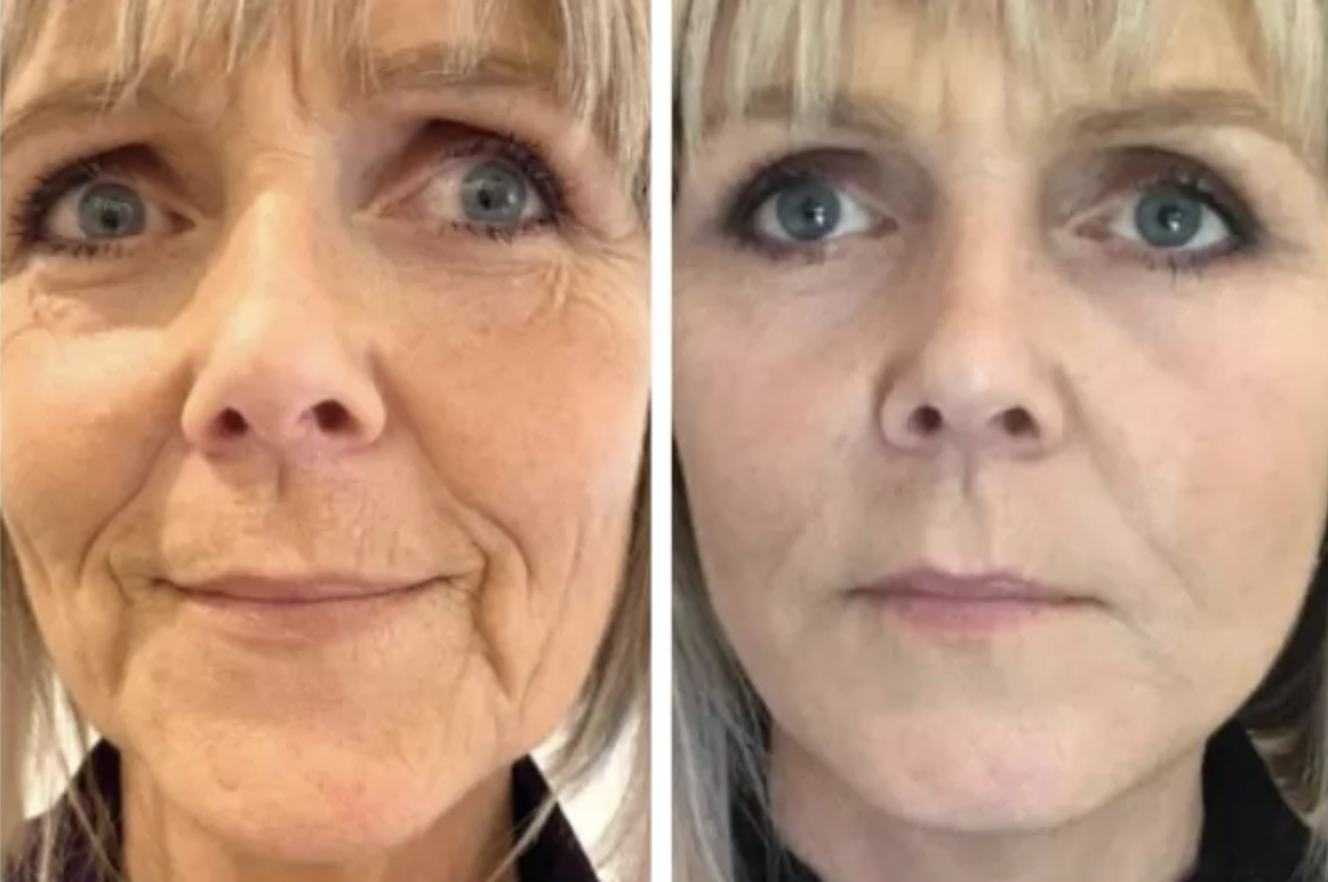
Fat Loss vs. Structural Loss: What Really Changes
Facial changes after weight loss are not caused by fat loss alone. While shrinking fat pads can reveal hollow temples, flatter cheeks, and deeper folds, weight loss can also unmask underlying structural aging. Bone support and deep facial compartments may no longer provide the same lift they once did.
Treating these changes as simple “volume loss” can lead to incorrect placement—adding filler superficially where support is needed deeper. This often results in puffiness without true rejuvenation.
Key distinction:
Fat loss creates hollows. Structural loss creates imbalance. Effective treatment must address both appropriately.
Conservative Restoration: Supporting the Face, Not Refilling It
The goal of HA filler after weight loss is not to recreate a pre-weight-loss face. It is to restore balance, softness, and support while preserving the leaner look patients worked hard to achieve.
At Core Aesthetic, conservative dosing and deep structural placement are prioritized. Small amounts of filler placed strategically—often in the midface—can provide lift and improve overall harmony without filling every hollow directly.
This approach avoids heaviness and respects the new facial proportions created by weight loss.
Avoiding Hollowing and Overcorrection Over Time
A common mistake after weight loss is chasing individual hollows—adding filler repeatedly to under-eyes, nasolabial folds, or temples without reassessing the face globally. Over time, this piecemeal approach can create uneven volume and unnatural contours.
A better strategy:
A full-face assessment that considers facial proportions, movement, and long-term aging patterns. Often, restoring foundational support first reduces the appearance of hollows naturally, requiring less filler overall.
The Core Aesthetic Philosophy
Post–weight loss filler should look intentional, subtle, and stable—not overfilled or reactive. At Core Aesthetic, consultations focus on education, anatomical evaluation, and phased treatment planning to ensure results that age well over time.
Rebuild balance—book your filler consultation with experienced injectors who understand the difference between replacing volume and restoring structure, and who prioritize natural outcomes after weight loss.