Filler Migration: Why It Happens and How We Prevent It
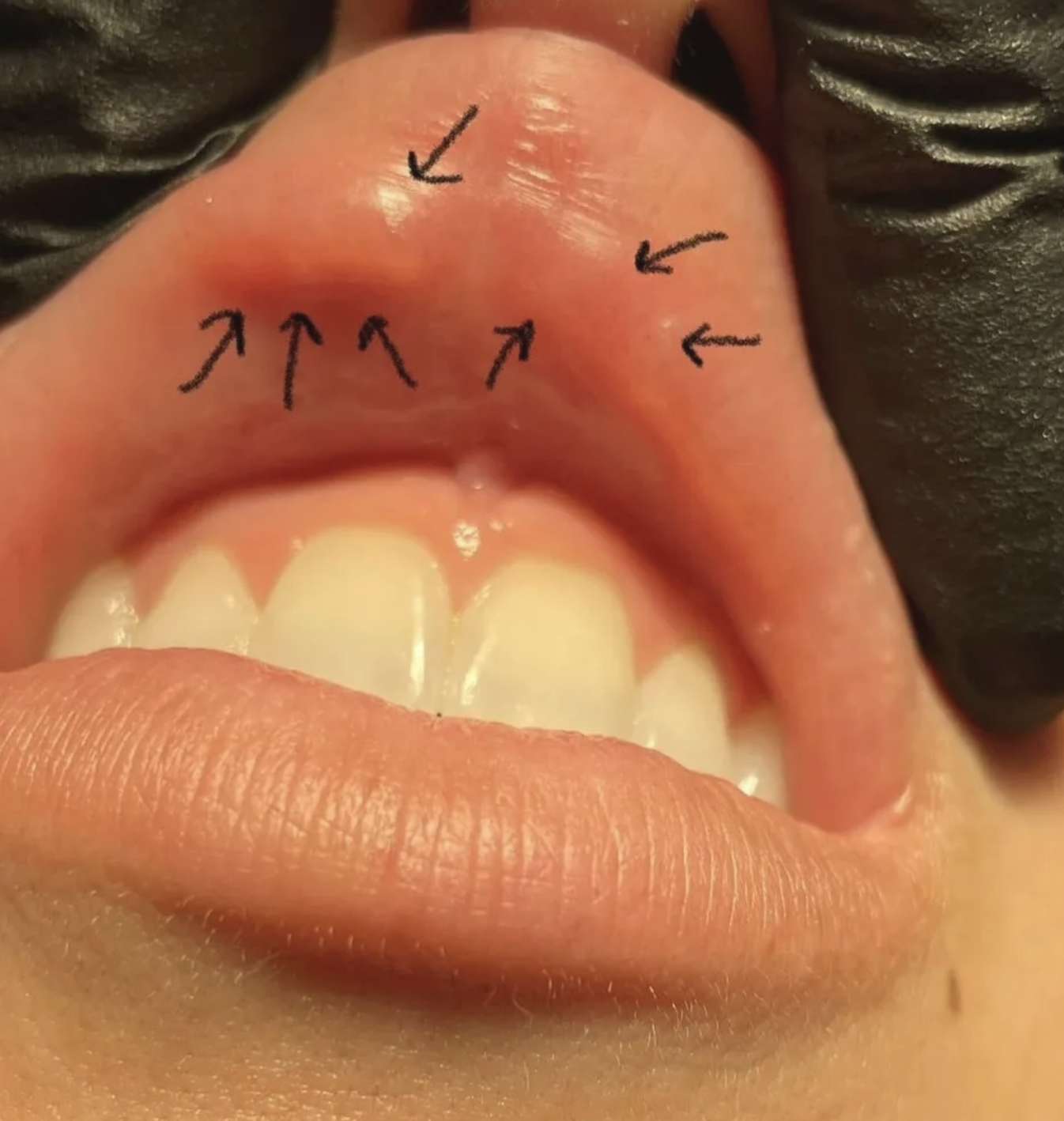
Filler migration is one of the most common reasons patients feel dissatisfied with their results over time. It often appears as puffiness, blurred contours, or fullness in areas where filler was never intended to sit. Importantly, migration is rarely caused by a single treatment—it is usually the result of technique, product choice, and cumulative decisions made over multiple sessions.
At Core Aesthetic, preventing migration begins with anatomy, restraint, and long-term planning.
Product Choice: Matching the Filler to the Anatomy
Not all Hyaluronic Acid (HA) fillers behave the same way. Each product differs in firmness, elasticity, and how it integrates with surrounding tissue. Migration commonly occurs when a filler that is too soft is used where structure is required, or when a firmer filler is placed in superficial or highly mobile areas.
For example, lips and under-eyes require fillers that are flexible and designed to move naturally. Structural areas require stability at the correct depth.
How we prevent this:
Every filler choice at Core Aesthetic is anatomy-specific and purpose-driven, not trend-driven. The right product dramatically reduces the risk of unintended movement.
Injection Depth: Precision Over Volume
Even the correct filler can migrate if placed at the wrong depth. Superficial placement increases the likelihood of filler shifting, especially in areas with frequent motion or thin skin. Incorrect depth can also lead to visible edges, lumpiness, or prolonged swelling.
Our approach:
Injections are guided by facial anatomy and tissue planes. Proper depth allows the filler to integrate with the surrounding structure rather than float within soft tissue.
Overfilling Over Time: The Accumulation Effect
One of the most overlooked causes of migration is gradual overfilling across multiple appointments. Adding small amounts repeatedly without reassessing existing filler can lead to volume stacking. When tissue limits are exceeded, filler redistributes outward.
This is commonly seen in lips, tear troughs, and nasolabial areas.
How we manage this:
At every visit, existing filler is assessed. Sometimes the safest option is to pause, refine, or dissolve before adding more. More filler is not always the solution.
The Core Aesthetic Philosophy
Filler migration is preventable. It requires expertise, conservative dosing, and a long-term vision for the face—not short-term trends.
At Core Aesthetic, we prioritize technique over volume, planning over repetition, and anatomy over aesthetics alone.
Choose technique over trends—schedule your consultation with experienced injectors who focus on precision, balance, and results that remain natural over time.