Is IPL Safe for Melasma — or Can It Make It Worse?
If you have melasma and have been researching treatments, you’ve probably seen mixed opinions about IPL. Some people say it helped lighten their pigmentation, and others say it made it darker. The truth is not that IPL is “bad” for melasma — it is that melasma requires careful medical judgment, and the wrong approach can trigger a flare.
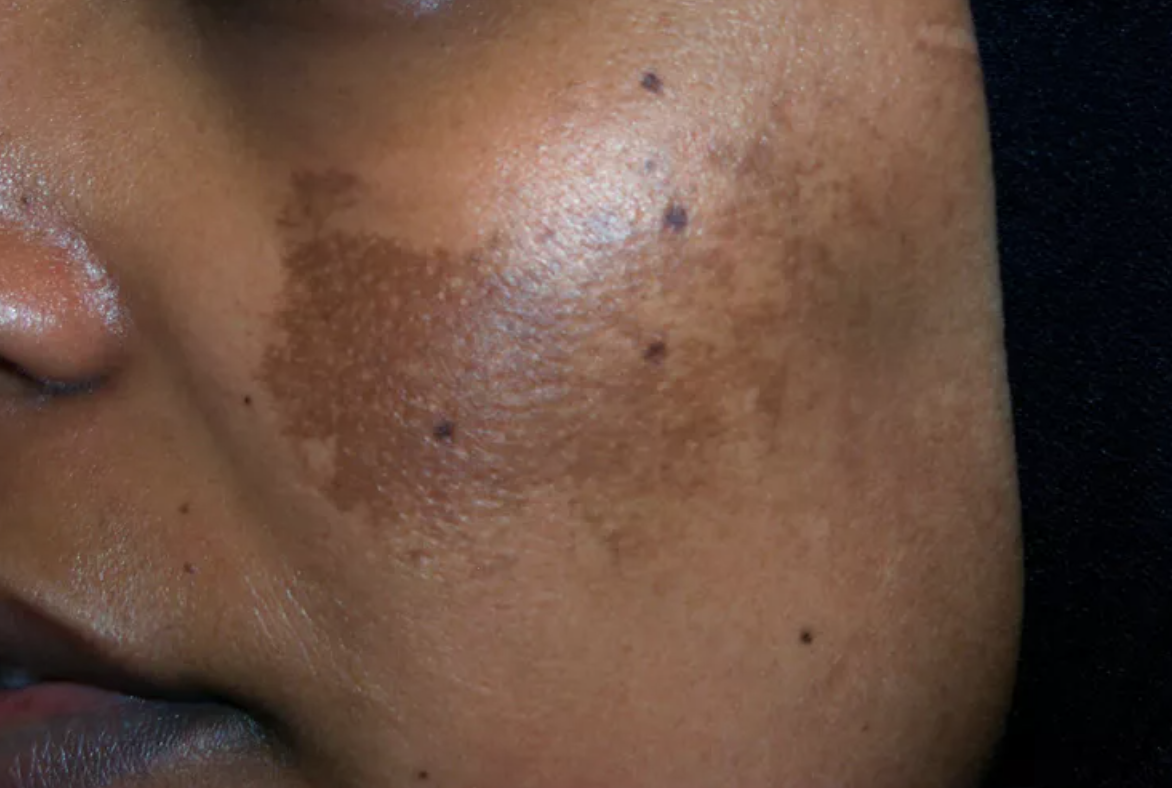
Melasma Is Not the Same as Regular Pigmentation
Melasma is not simply a sunspot or age spot. It is a hormonal and vascular pigmentation condition, meaning it can be influenced by:
Hormones
Heat and inflammation
UV exposure
Skin irritation
This makes melasma reactive. When treated incorrectly, melasma can rebound or darken. That is why not all melasma is a candidate for IPL right away.
So, Can IPL Treat Melasma?
Yes — in selected cases, and with caution. IPL can safely address superficial pigmentation and vascular components when:
The melasma is stabilized first
Correct wavelengths and low-heat settings are used
It is performed in a medical setting with proper assessment
It is part of a broader plan, not a standalone fix
The risk comes from misuse — high heat, aggressive energy, or treating the wrong type of pigmentation.
At Core Aesthetic, we do not “test and hope.” We evaluate thoroughly, determine whether IPL is appropriate, and design the treatment sequence based on skin biology and melasma behavior.
The Core Approach: Stabilize, Then Treat
Our melasma protocol always begins with clinical evaluation and stabilization, which may include:
Barrier repair and gentle brighteners
Pigment-modulating topicals
Tranexamic acid when appropriate
Strict UV and heat protection
Only after pigment stability is achieved will we consider energy-based treatments, and when we do, we start with conservative IPL settings or alternative lasers designed for melasma-prone skin.
Not Every Case Should Receive IPL
Melasma behaves like “memory pigment.” Even when lightened, hormonal shifts or heat can reactivate it. The goal is control and long-term balance, not quick aggressive clearing. We are comfortable saying no when needed — because protecting your skin long-term matters more than rushing into treatment.
Skin Tone Safety Note
Fitzpatrick IV–VI require extra caution. Many deeper skin tones respond better to alternative non-IPL pigment modalities to avoid post-inflammatory hyperpigmentation. We guide each patient individually.
The Takeaway
IPL can be safe for melasma when thoughtfully used — but it is never a one-size-fits-all treatment. If you struggle with melasma, start with a proper diagnosis and a stability plan before energy work.