Laser Hair Removal for All Skin Types: What Matters Most
Laser hair removal can be safe and effective for all skin tones—but only when treatment is guided by skin biology, appropriate technology, and clinical technique. At Core Aesthetic, a physician-led approach ensures laser treatments are customized to each patient’s skin type, pigment level, and individual risk factors.
Understanding what truly matters helps patients make informed and confident decisions.
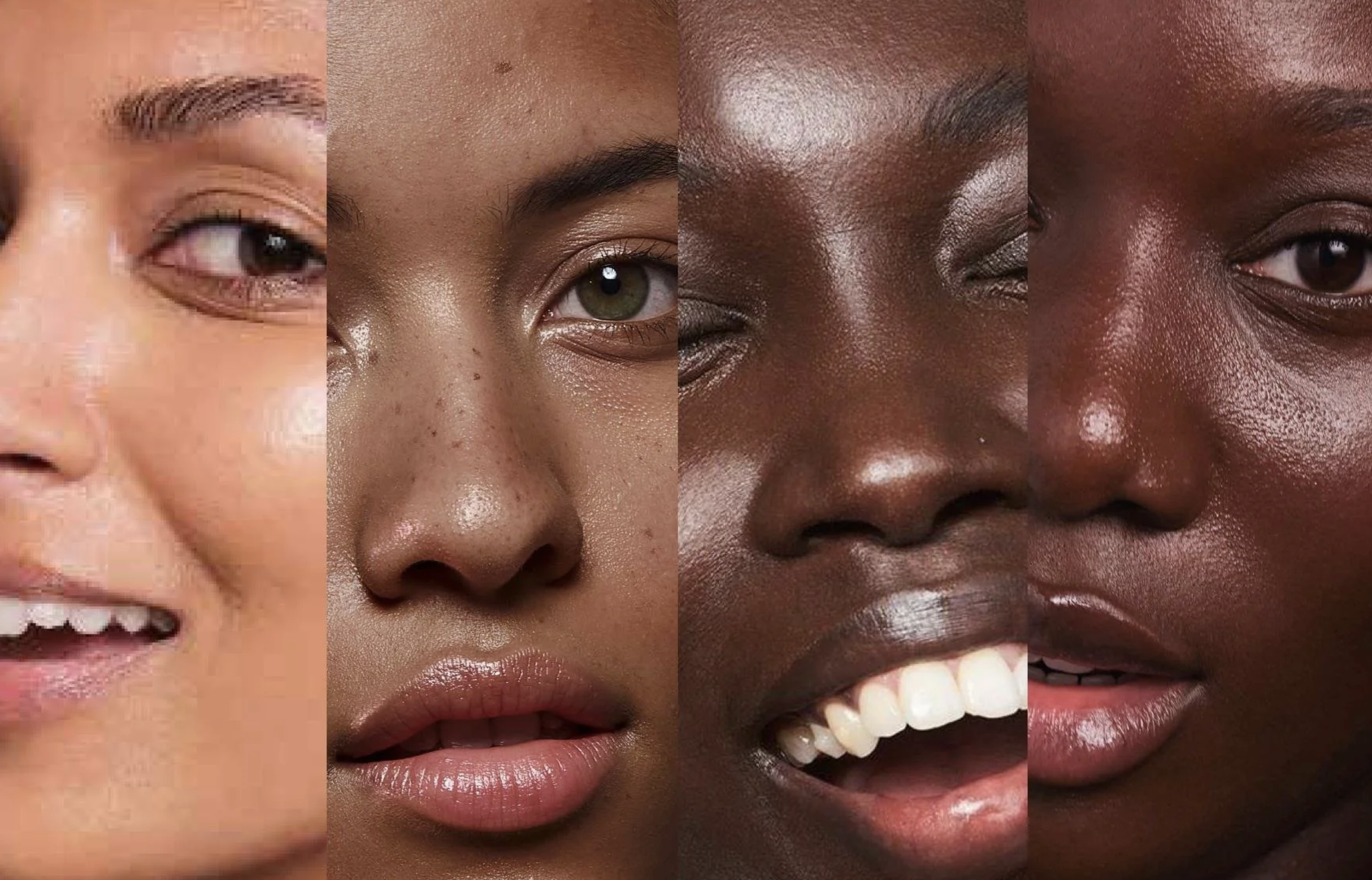
Fitzpatrick Skin Types Explained in Detail
In medical aesthetics, skin tone is classified using the Fitzpatrick Skin Type scale, which categorizes skin based on melanin levels and response to ultraviolet (UV) exposure. This classification is critical for selecting safe laser settings.
Type I: Very fair skin, always burns, never tans
Type II: Fair skin, usually burns, tans minimally
Type III: Medium white to light olive skin, sometimes burns, gradually tans
Type IV: Light brown or olive skin, rarely burns, tans easily
Type V: Brown skin, very rarely burns, tans deeply
Type VI: Deeply pigmented dark brown or black skin, never burns
Why does this matter? Laser hair removal works by targeting melanin in the hair follicle. In higher Fitzpatrick types (IV–VI), the skin itself contains more melanin, requiring greater precision to distinguish hair pigment from skin pigment and prevent overheating or pigment changes.
Technology Matters—But Technique Matters More
Modern laser technology has expanded treatment options for all skin types. However, technology alone does not guarantee safety or results.
Successful laser hair removal depends on:
Selecting an appropriate laser wavelength for the patient’s Fitzpatrick type
Adjusting energy levels and pulse duration carefully
Using adequate epidermal cooling
Monitoring skin response throughout treatment
Even advanced devices can cause complications if settings are rushed or improperly selected. Clinical expertise is what ensures technology is used safely.
Safety Considerations for Melanin-Rich Skin
Darker skin (Fitzpatrick IV-VI) holds more melanin, so the laser can "confuse" skin for hair. But risks like burns or discoloration are preventable:
Pre-Treatment Prep: Avoid sun 4-6 weeks before; use broad-spectrum SPF 50 daily.
During Session: Cooling devices (cryogen spray or sapphire tips) protect epidermis.
Post-Care Musts: Gentle cleansers, aloe vera, no heat/exfoliation for 48 hours.
Red Flags: Clinics skipping consultations or using generic settings.
Studies (e.g., from the Journal of the American Academy of Dermatology) show 90%+ success rates on dark skin with proper protocols. Patience pays off—6-8 sessions for most, spaced 4-6 weeks.
At Core Aesthetic, safety measures include:
Physician oversight and individualized treatment parameters
FDA-cleared lasers with integrated cooling systems
Conservative initial settings when appropriate
Patch testing in select cases to assess skin response before full treatment
Patients are also guided on sun avoidance and skincare before and after treatment to minimize pigment-related risks.
Individual Factors Beyond Skin Tone
Skin type is only one factor. Hair thickness, treatment area, hormonal influences, and medications that increase photosensitivity can all affect outcomes. Laser hair removal is a supportive treatment, not a cure for hormonally driven hair growth, and maintenance sessions may still be recommended.
Get a Personalized Laser Safety Assessment
A professional consultation allows our medical team to evaluate your Fitzpatrick skin type, hair characteristics, and medical history to design the safest and most effective treatment plan.
Get a personalized laser safety assessment at Core Aesthetic and receive physician-guided care tailored to your skin.