

Whether you want to know about the latest trends in skincare, beauty treatments, compounding, or overall wellness, we’ve (probably) covered it! Be sure to check back regularly for any new posts - thank you for joining us on this journey to a happier, healthier, more beautiful you!
Looking for a specific topic? ↓
Don’t know where to start? Try searching: compounding | skincare | Morpheus8

The Real Reason Your Dark Spots Aren’t Fading
If you feel like you’re constantly battling dark spots despite using all the “right” products, you’re not alone. As a physician, I hear this often: “I’m using Vitamin C, retinol, sunscreen—so why won’t my pigmentation go away?” The answer is simple but often overlooked—pigmentation is deeper, more complex, and more persistent than most people realize.
To truly clear it, we need to go beyond surface-level care.

Chemical Peels: Why Fall Isn’t the Only Time to Treat Your Skin
We hear this every year: “I’m waiting for fall to get a chemical peel.” While cooler months have traditionally been associated with skin resurfacing, your skin doesn’t operate on a seasonal schedule. If you’re delaying treatment for hyperpigmentation, acne, or fine lines, you’re also delaying real progress. The truth is—the best time to treat your skin is when you’re ready to be consistent.
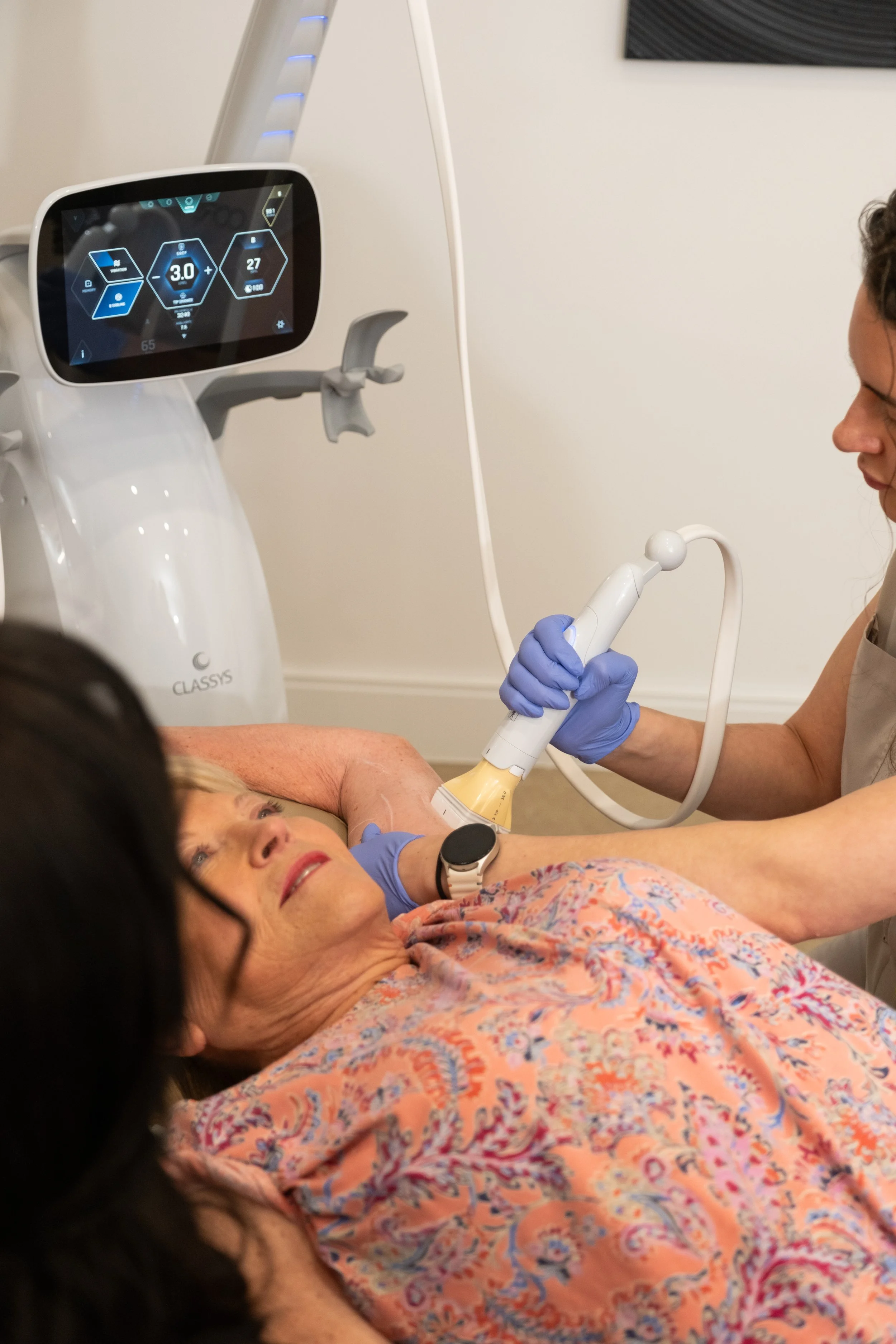
Microneedling: Why Your Results Depend on Depth (And Why That Matters)
IPL for Redness: How to Finally Calm Rosacea-Prone Skin
If you live with rosacea, you know the “flush” isn’t a glow—it’s unpredictable, persistent, and often emotionally exhausting. In clinic, I meet patients who’ve tried everything from soothing serums to color-correcting makeup, only to find their redness returns within hours. The reason? Most treatments don’t address the root cause.
IPL for Redness: How to Finally Calm Rosacea-Prone Skin
IPL for Redness: How to Finally Calm Rosacea-Prone Skin
If you live with rosacea, you know the “flush” isn’t a glow—it’s unpredictable, persistent, and often emotionally exhausting. In clinic, I meet patients who’ve tried everything from soothing serums to color-correcting makeup, only to find their redness returns within hours. The reason? Most treatments don’t address the root cause.
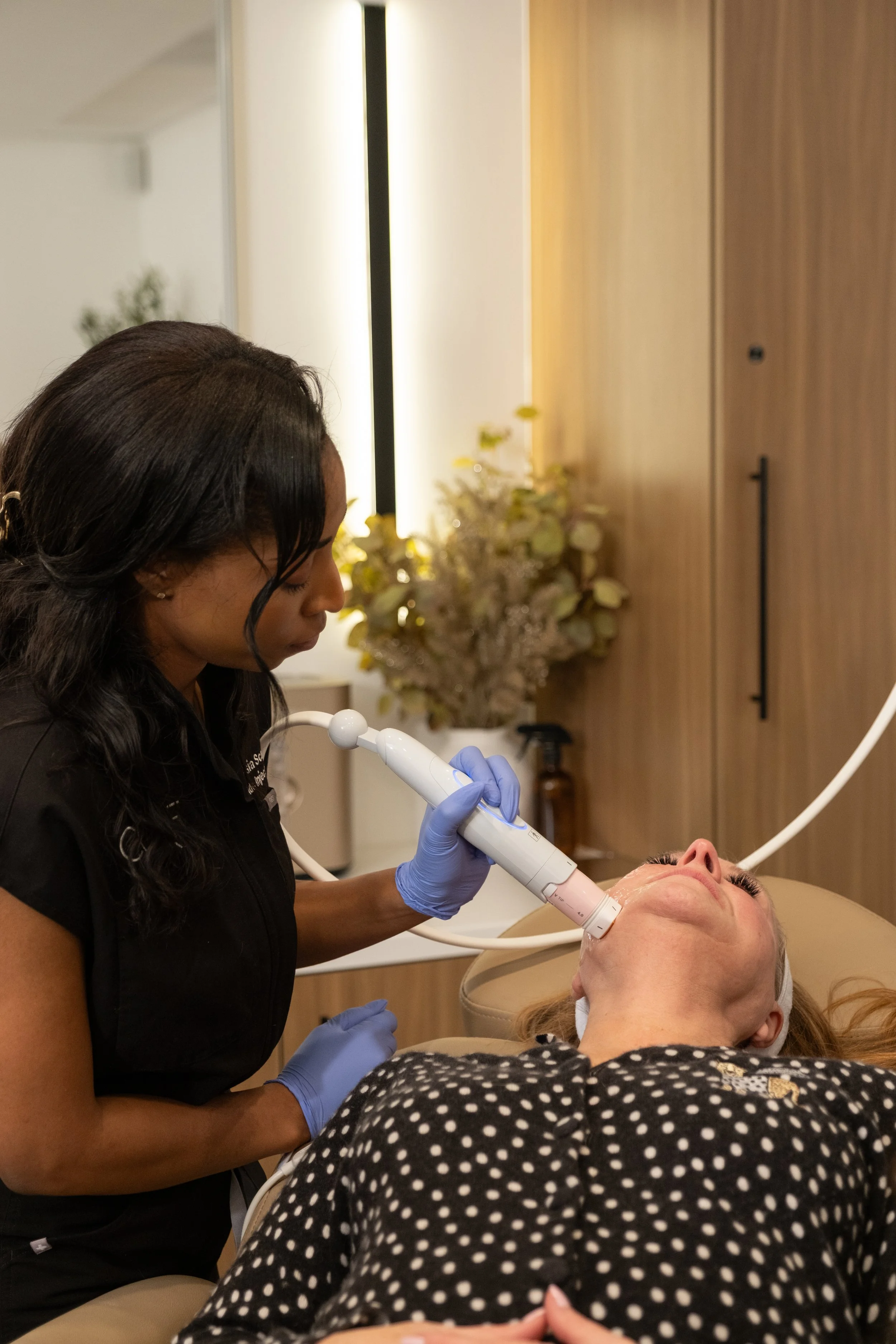
Why Your Skin Isn’t Improving (Even With Expensive Skincare)
Laser Hair Removal for Bikini Area: What No One Tells You
If you’re stuck in the cycle of razor burn, painful waxing, and persistent “strawberry skin,” you’re not alone. As a physician, I see many patients curious about bikini laser hair removal—but hesitant due to myths around pain, safety, and results. The truth is far more clinical, precise, and reassuring when done correctly.
The Science (and Precision) Behind Effective Treatment
Laser hair removal works by targeting melanin within the hair follicle. The light energy converts to heat, selectively damaging the follicle while preserving surrounding skin. However, the bikini area presents unique anatomical challenges.
Hair in this region grows at varying angles and depths due to natural skin folds. A skilled provider adjusts hand positioning, spot size, and laser angle to remain perpendicular to the follicle. Smaller spot sizes are used for delicate contours, while larger ones efficiently cover the bikini line. This precision is what determines both safety and long-term efficacy—not just the machine itself.
Laser Hair Removal for Bikini Area: What No One Tells You
Laser Hair Removal for Bikini Area: What No One Tells You
If you’re stuck in the cycle of razor burn, painful waxing, and persistent “strawberry skin,” you’re not alone. As a physician, I see many patients curious about bikini laser hair removal—but hesitant due to myths around pain, safety, and results. The truth is far more clinical, precise, and reassuring when done correctly.
The Science (and Precision) Behind Effective Treatment
Laser hair removal works by targeting melanin within the hair follicle. The light energy converts to heat, selectively damaging the follicle while preserving surrounding skin. However, the bikini area presents unique anatomical challenges.
Hair in this region grows at varying angles and depths due to natural skin folds. A skilled provider adjusts hand positioning, spot size, and laser angle to remain perpendicular to the follicle. Smaller spot sizes are used for delicate contours, while larger ones efficiently cover the bikini line. This precision is what determines both safety and long-term efficacy—not just the machine itself.
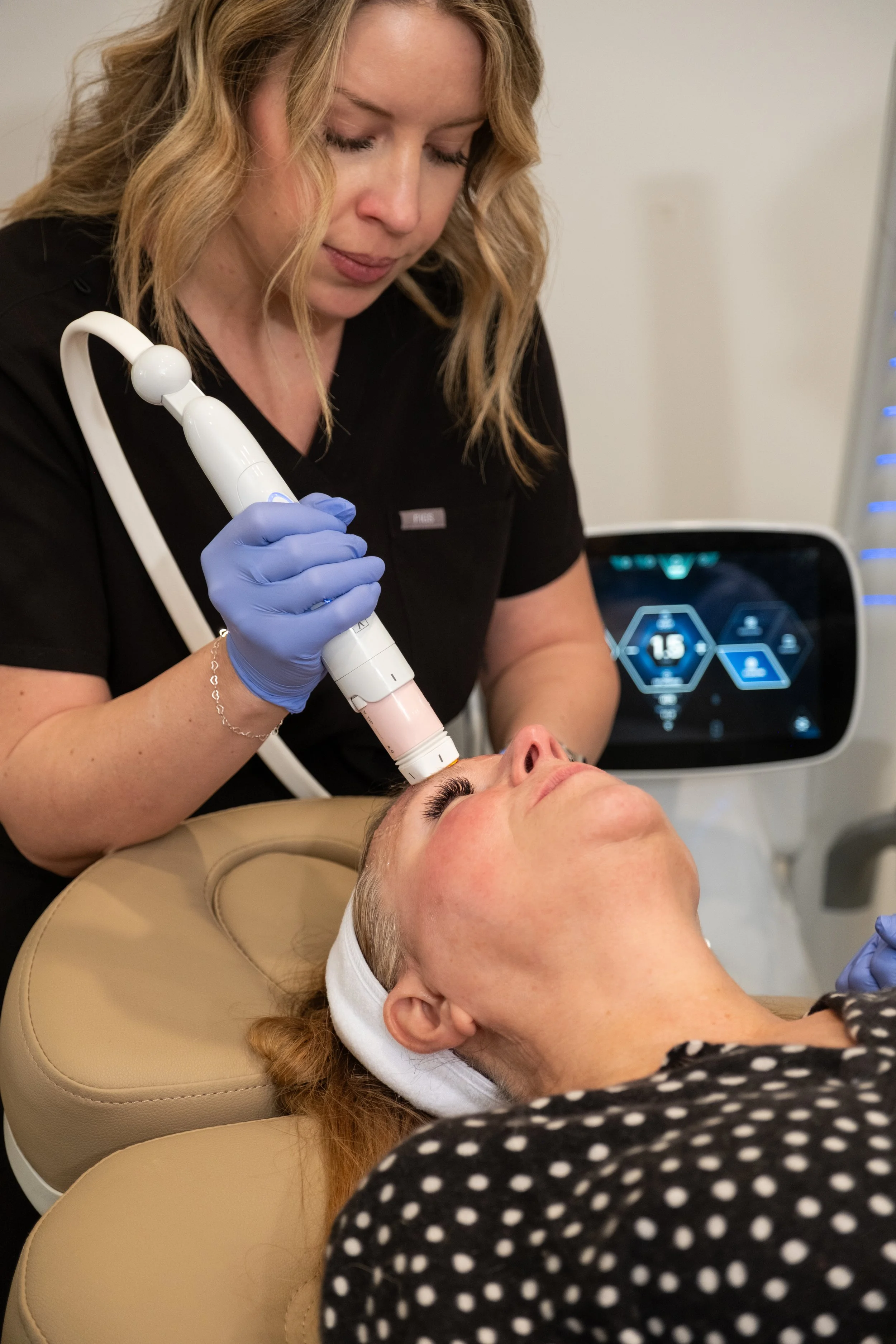
The Truth About Laser Hair Removal: How Many Sessions Do You Really Need?
If your skin is showing signs of sun exposure—dark spots, freckles, redness, or uneven tone—you’re not alone. At Core Aesthetic, one of the most common questions we hear is: Should I choose IPL or laser? While they’re often used interchangeably, they are fundamentally different technologies—and choosing the right one can dramatically impact your results.
The Key Differences: Broad Light vs Precision Targeting
IPL (Intense Pulsed Light) is not a laser. It uses multiple wavelengths of light—similar to a powerful flash—to target several concerns at once. This makes it effective for overall skin rejuvenation and treating diffuse sun damage.
Laser treatments, by contrast, use a single, focused wavelength. This allows for precise targeting of specific chromophores—such as melanin (pigment) or hemoglobin (blood vessels)—without affecting surrounding tissue.
From a physician-led standpoint, this distinction is critical. IPL is broad and versatile; lasers are precise and corrective.

IPL vs Laser: Which One Actually Fixes Sun Damage?
If your skin is showing signs of sun exposure—dark spots, freckles, redness, or uneven tone—you’re not alone. At Core Aesthetic, one of the most common questions we hear is: Should I choose IPL or laser? While they’re often used interchangeably, they are fundamentally different technologies—and choosing the right one can dramatically impact your results.
The Key Differences: Broad Light vs Precision Targeting
IPL (Intense Pulsed Light) is not a laser. It uses multiple wavelengths of light—similar to a powerful flash—to target several concerns at once. This makes it effective for overall skin rejuvenation and treating diffuse sun damage.
Laser treatments, by contrast, use a single, focused wavelength. This allows for precise targeting of specific chromophores—such as melanin (pigment) or hemoglobin (blood vessels)—without affecting surrounding tissue.
From a physician-led standpoint, this distinction is critical. IPL is broad and versatile; lasers are precise and corrective.
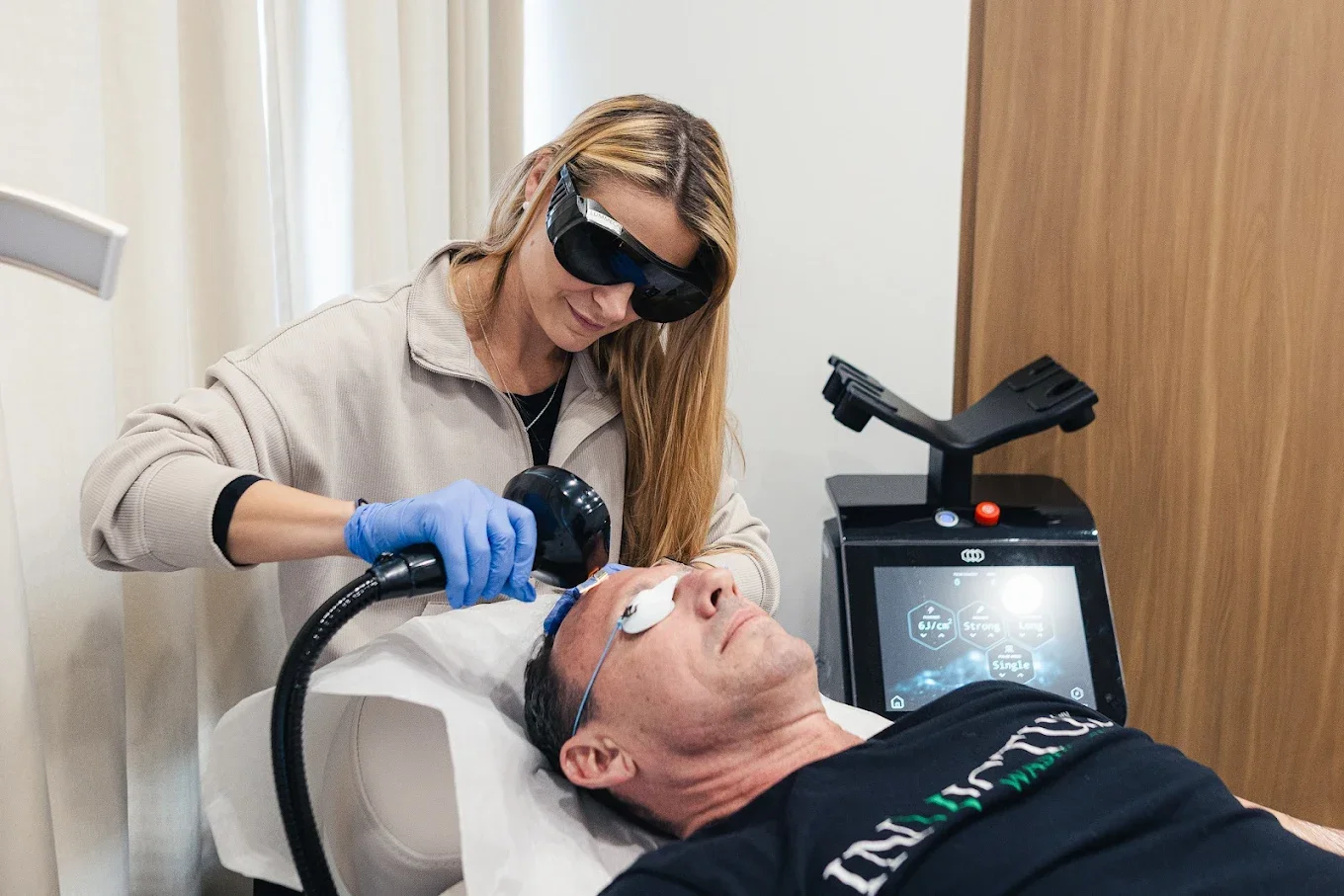
Laser Hair Removal: Why Shaving Is Actually Making Your Hair Worse
If your hair feels like it’s back the very next day after shaving—it’s not just fast regrowth. It’s the way shaving is changing how your hair appears and feels. That constant stubble, shadow under your arms, or recurring bikini bumps aren’t random—they’re a direct result of repeated shaving.
At Core Aesthetic, we often see patients stuck in this cycle of daily maintenance, irritation, and frustration—without realizing there’s a medically advanced, long-term solution.
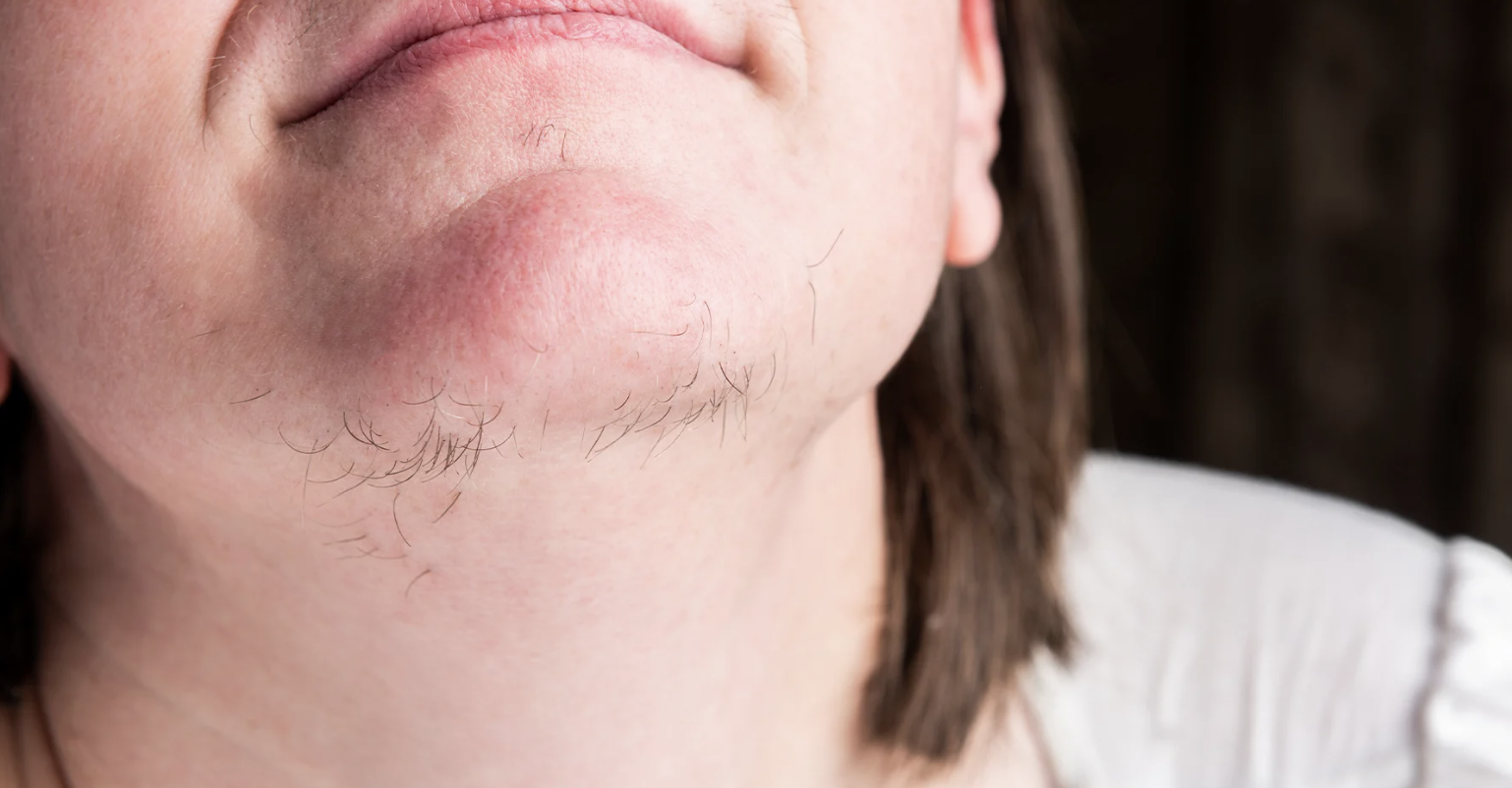
Is Laser Hair Removal Safe During Hormonal Changes or PCOS?
Hormonal changes—especially those associated with PCOS (Polycystic Ovary Syndrome)—often lead to unwanted hair growth, raising an important question: Is laser hair removal safe and effective when hormones are involved?
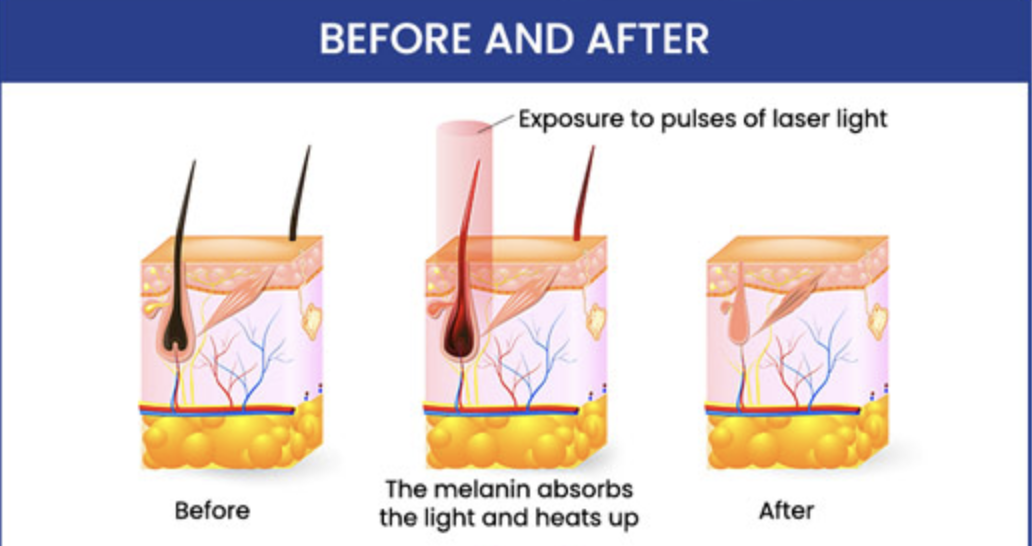
Why Hair Grows Back After Laser Hair Removal—and How to Prevent It
Laser hair removal is highly effective for long-term hair reduction, but it is not uncommon to notice some hair regrowth over time. While this can feel frustrating, regrowth is usually biological and expected, not a sign that treatment failed. At Core Aesthetic, we focus on helping patients understand why this happens—and how to manage it effectively.

Pre- and Post-Laser Hair Removal Care: What You Should and Shouldn’t Do
Laser hair removal can deliver smooth, long-lasting hair reduction—but proper care before and after treatment plays a critical role in safety, comfort, and results. While the laser targets hair follicles, your skin’s condition determines how well it tolerates treatment. At Core Aesthetic, physician-guided care ensures that preparation and aftercare are as thoughtful as the treatment itself.
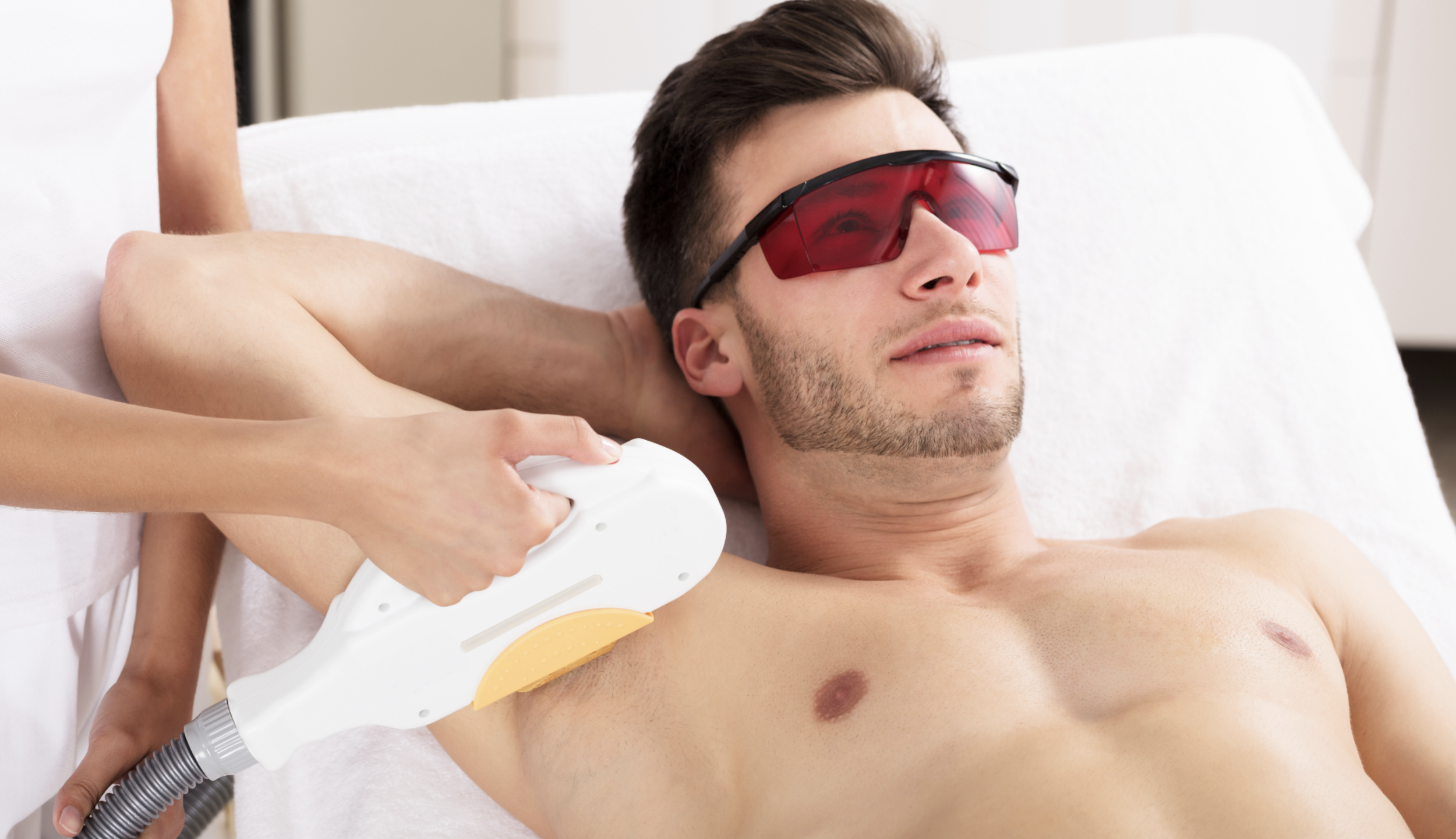
The Best Areas for Laser Hair Removal (and the Ones That Take Longer)
Laser hair removal can be highly effective across many areas of the body—but not all areas respond at the same pace. Differences in hair type, growth cycles, and hormonal influence play a major role in treatment timelines. At Core Aesthetic, physician-guided planning helps patients understand which areas typically respond faster and which require more time and consistency.
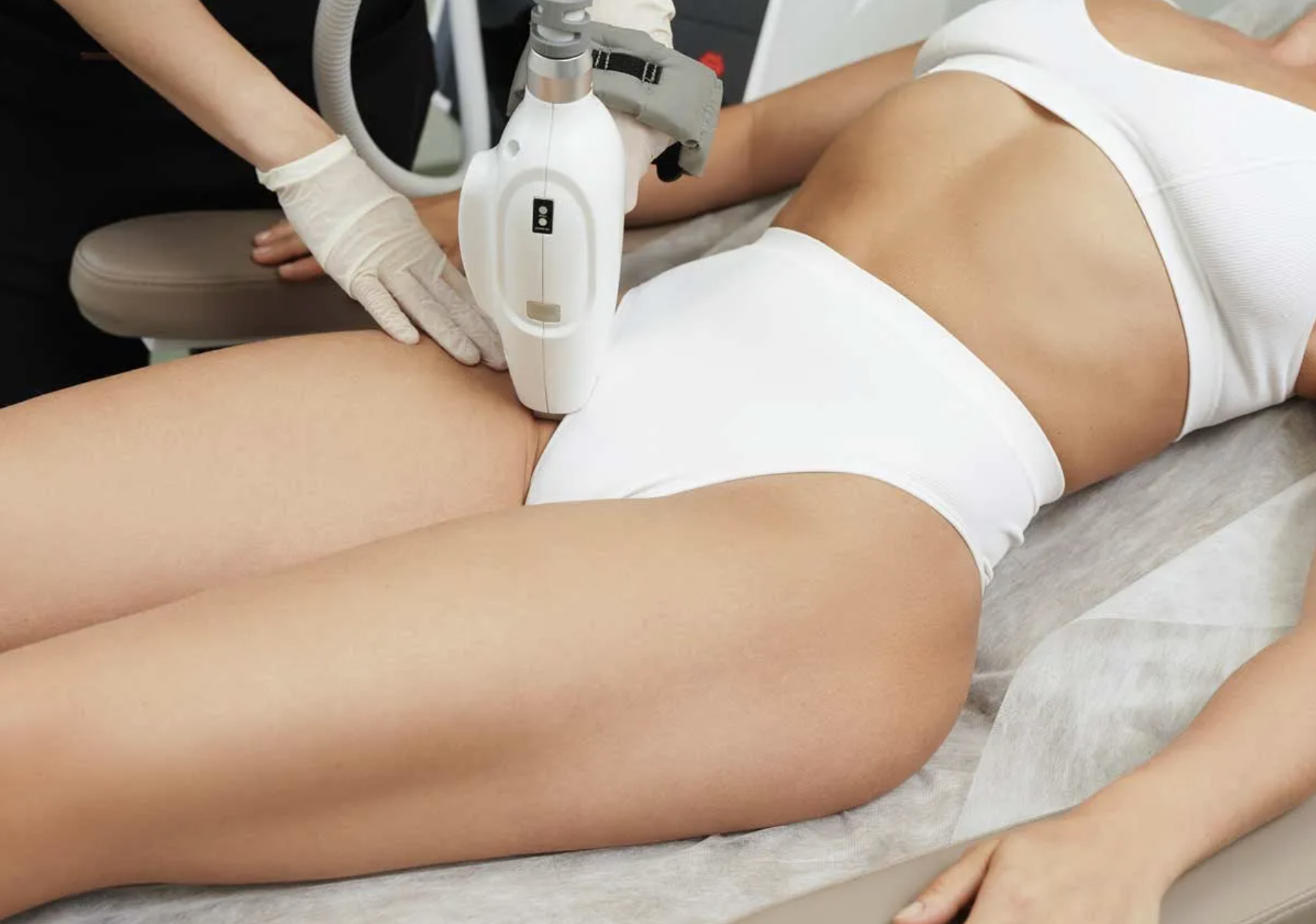
Does Laser Hair Removal Hurt? What It Feels Like and How We Minimize Discomfort
Concern about pain is one of the most common reasons patients hesitate before starting laser hair removal. The good news is that, when performed with modern technology and physician-guided protocols, laser hair removal is generally well tolerated and far less uncomfortable than many expect.

Laser Hair Removal vs Waxing vs Shaving: Cost, Results, and Time Compared
When choosing a hair removal method, most patients are balancing three key factors: cost, skin health, and long-term convenience. While shaving, waxing, and laser hair removal can all remove unwanted hair, they differ significantly in how long results last, how they affect the skin, and how much time and expense they require over the long term. At Core Aesthetic, we help patients compare these options with a realistic, medically guided perspective.

How Many Laser Hair Removal Sessions Do You Actually Need?
One of the most common questions patients ask is, “How many laser hair removal sessions will I need?” The honest answer is that there is no single number that applies to everyone. At Core Aesthetic, treatment plans are physician-led and based on biology—not marketing claims—taking into account the treatment area, hair growth patterns, and hormonal influences.
Laser Hair Removal for All Skin Types: What Matters Most
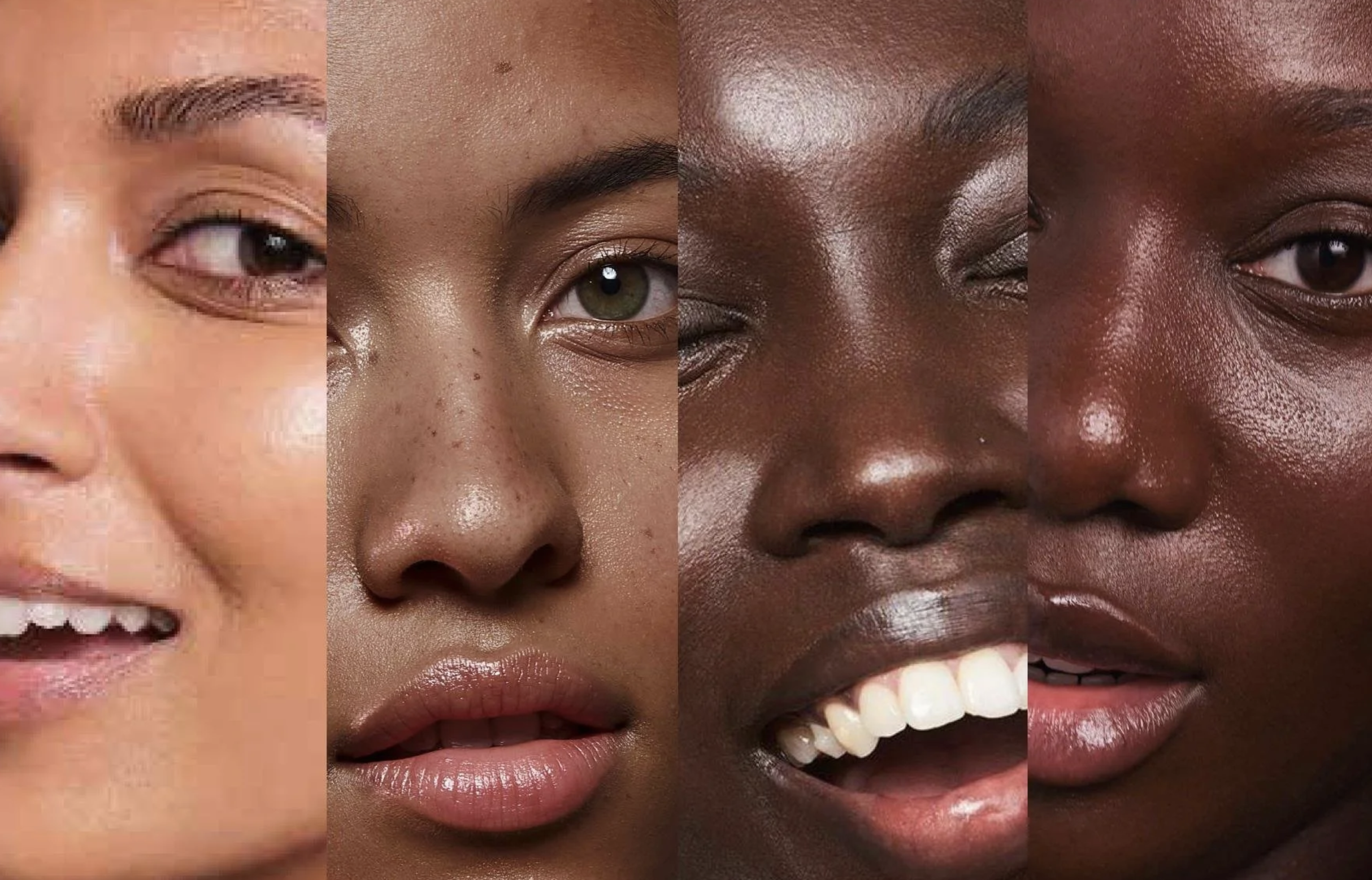
Laser hair removal can be safe and effective for all skin tones—but only when treatment is guided by skin biology, appropriate technology, and clinical technique. At Core Aesthetic, a physician-led approach ensures laser treatments are customized to each patient’s skin type, pigment level, and individual risk factors.
Is Laser Hair Removal Permanent? What the Science Really Says
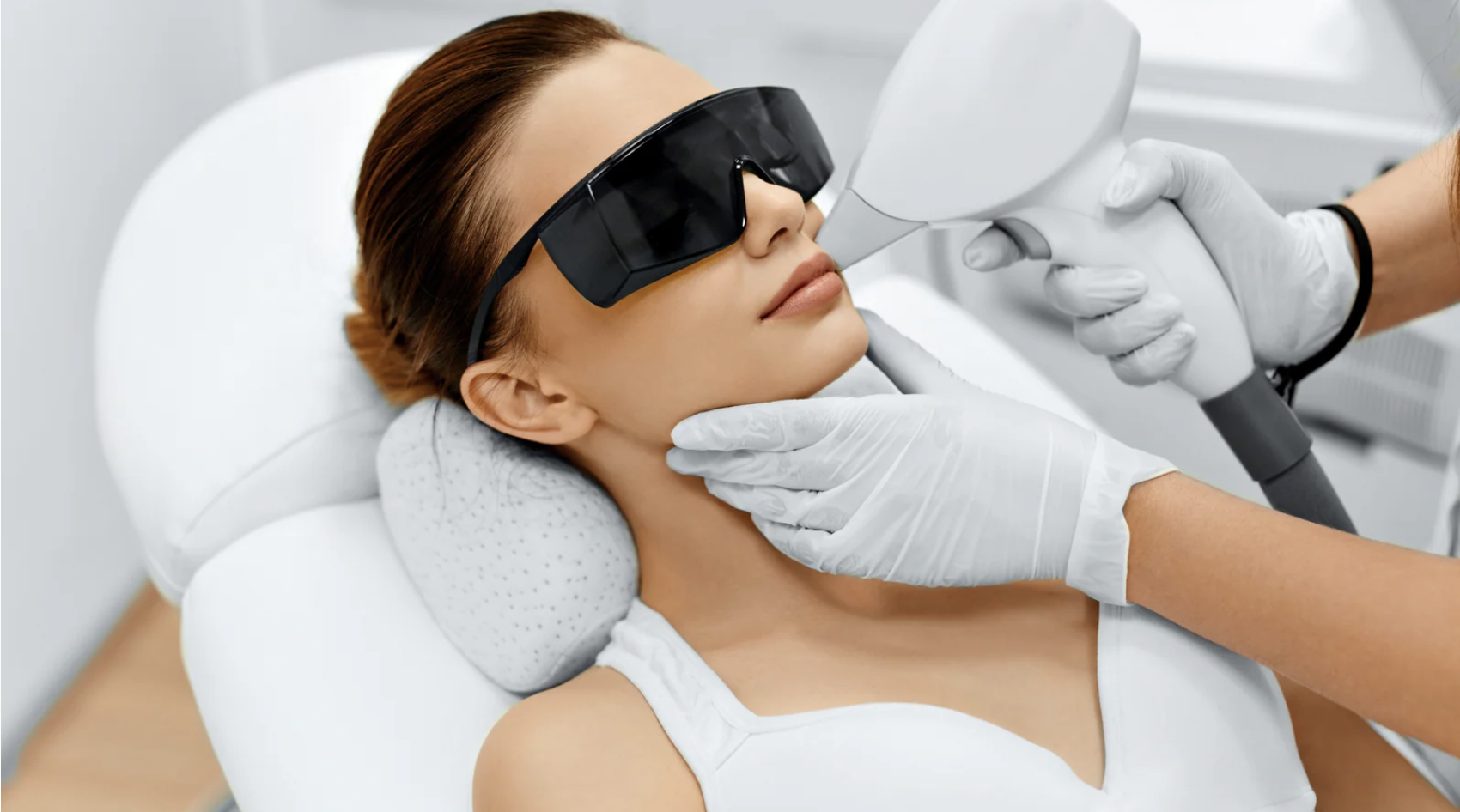
In aesthetic medicine, the word “permanent” is often used loosely. From a clinical standpoint, however, precision matters. At Core Aesthetic, we prioritize medical accuracy over marketing language to help patients understand what laser hair removal truly does—and what it does not.
Laser Hair Removal: What Results Can You Expect After Each Session?
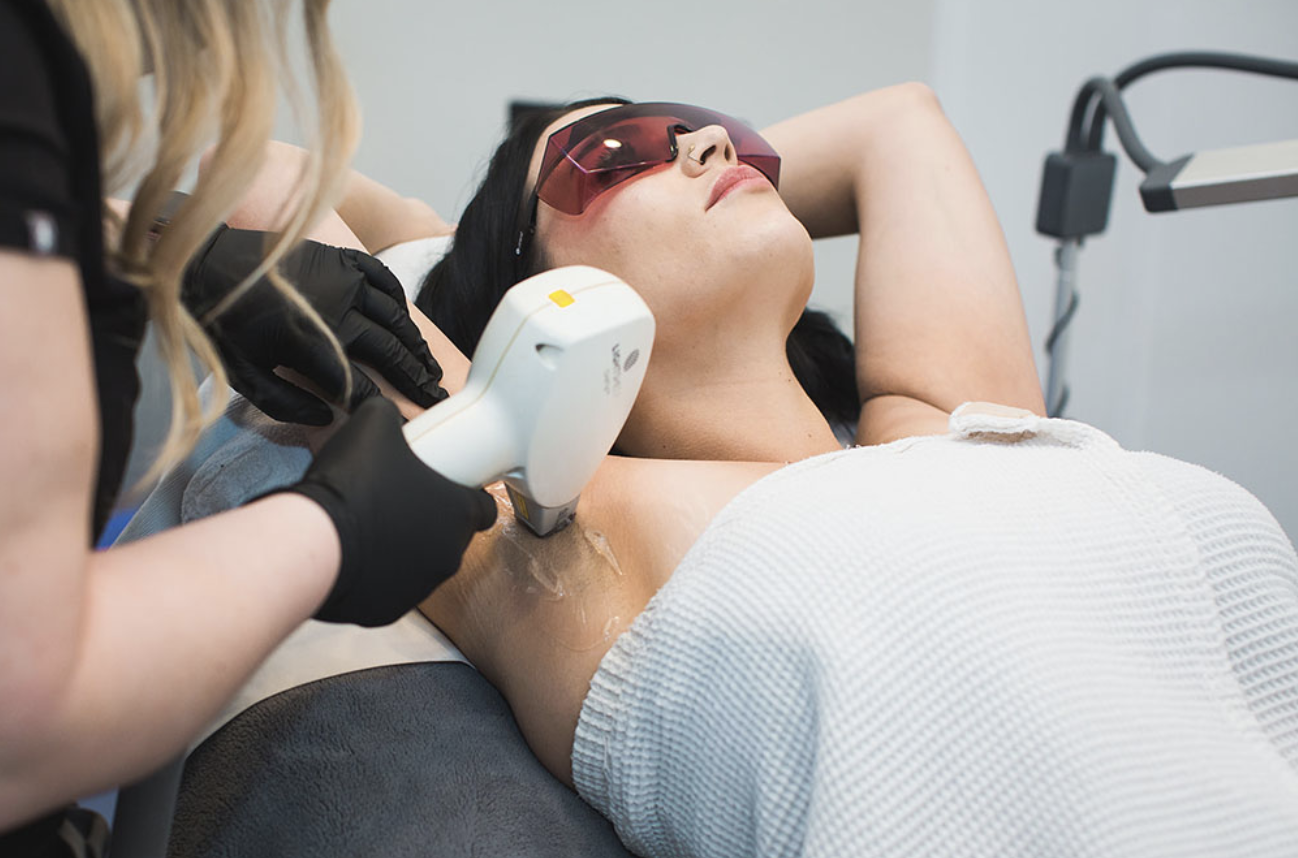
Tired of frequent shaving or painful waxing? Laser hair removal offers a medically guided approach to long-term hair reduction, not instant hair removal. At Core Aesthetic, treatments are physician-led and customized to your skin type, hair color, and growth patterns to ensure safe, effective, and realistic outcomes.
