

Whether you want to know about the latest trends in skincare, beauty treatments, compounding, or overall wellness, we’ve (probably) covered it! Be sure to check back regularly for any new posts - thank you for joining us on this journey to a happier, healthier, more beautiful you!
Looking for a specific topic? ↓
Don’t know where to start? Try searching: compounding | skincare | Morpheus8
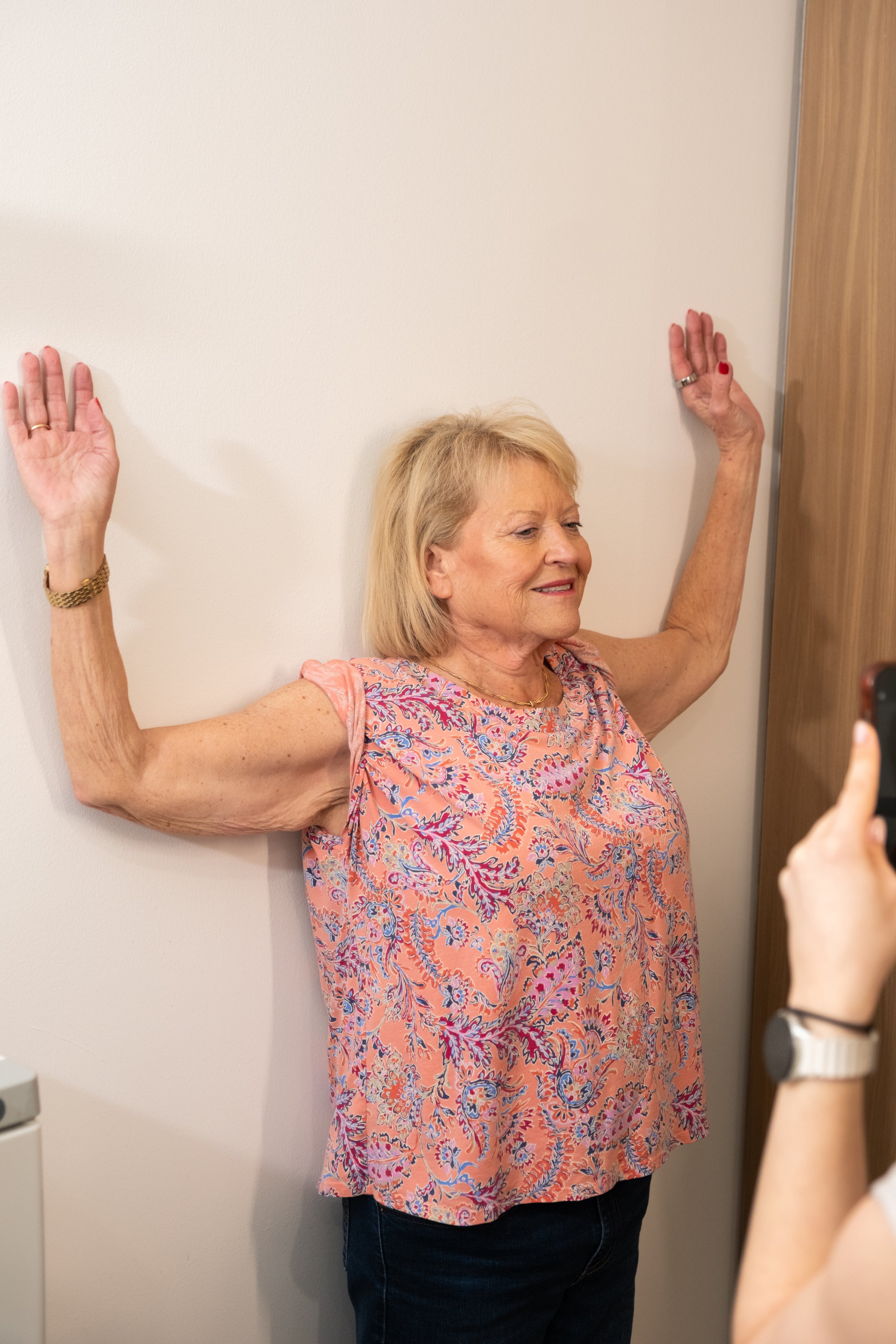
The Real Reason Your Dark Spots Aren’t Fading
If you feel like you’re constantly battling dark spots despite using all the “right” products, you’re not alone. As a physician, I hear this often: “I’m using Vitamin C, retinol, sunscreen—so why won’t my pigmentation go away?” The answer is simple but often overlooked—pigmentation is deeper, more complex, and more persistent than most people realize.
To truly clear it, we need to go beyond surface-level care.
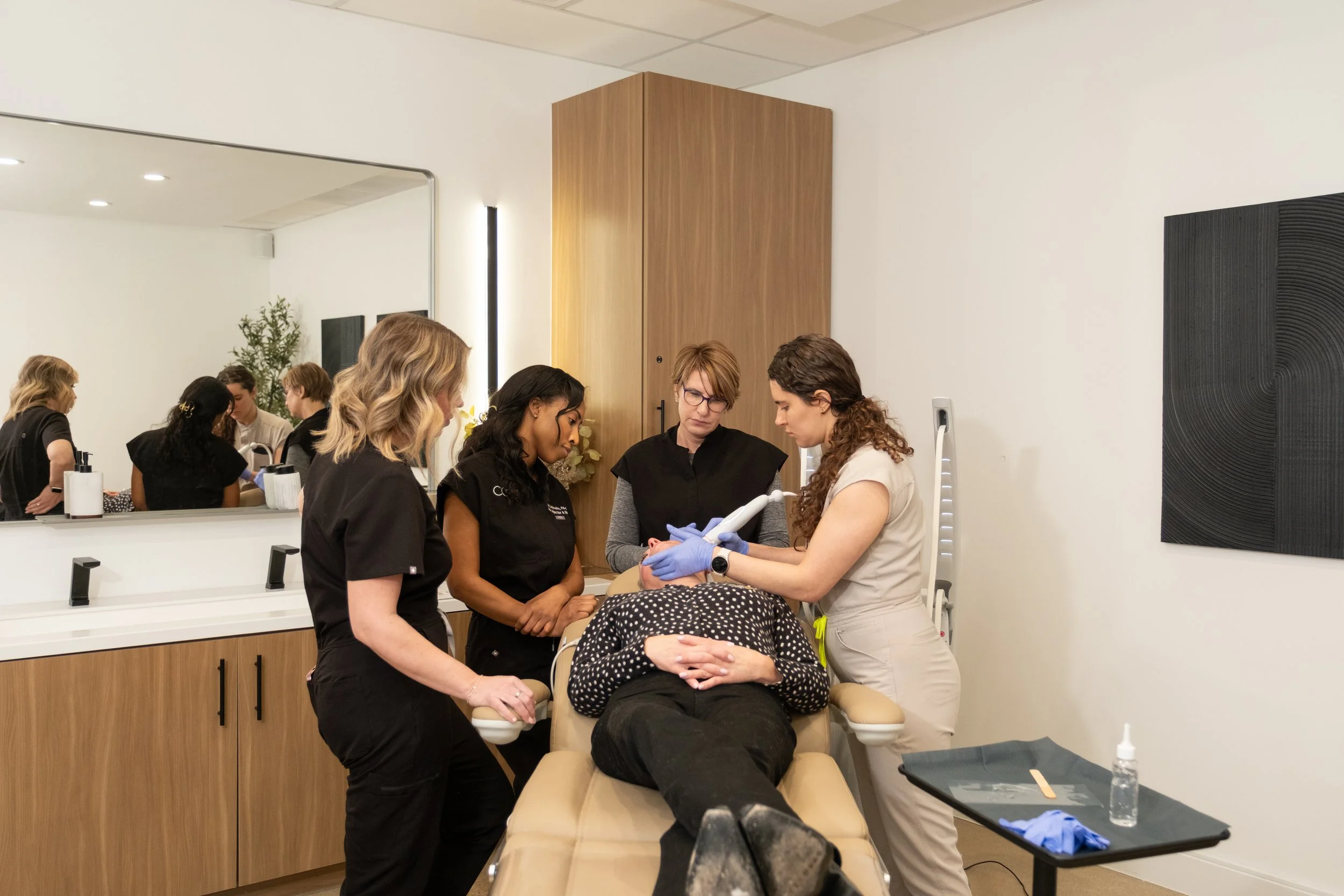
Chemical Peels: Why Fall Isn’t the Only Time to Treat Your Skin
We hear this every year: “I’m waiting for fall to get a chemical peel.” While cooler months have traditionally been associated with skin resurfacing, your skin doesn’t operate on a seasonal schedule. If you’re delaying treatment for hyperpigmentation, acne, or fine lines, you’re also delaying real progress. The truth is—the best time to treat your skin is when you’re ready to be consistent.
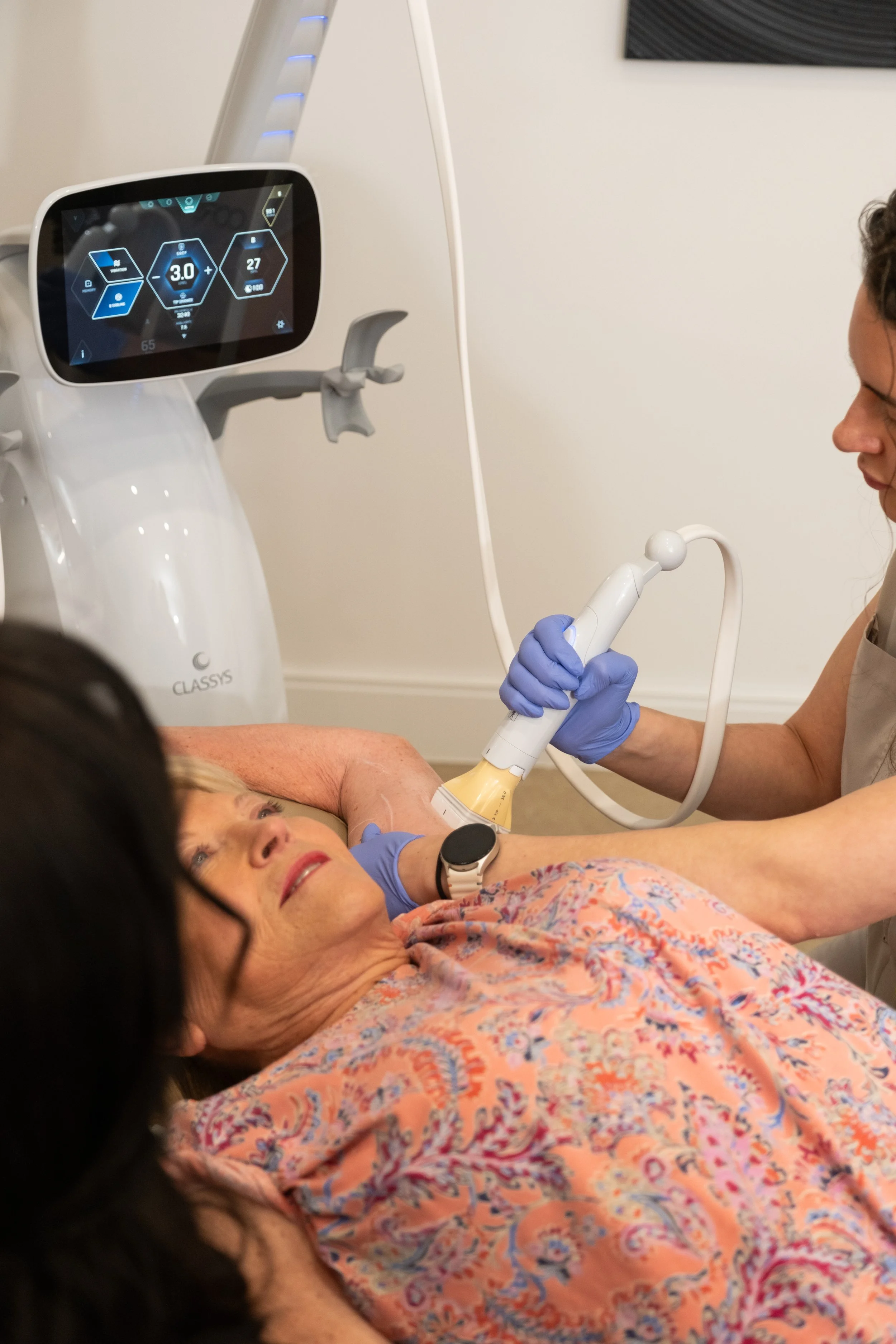
Microneedling: Why Your Results Depend on Depth (And Why That Matters)
IPL for Redness: How to Finally Calm Rosacea-Prone Skin
If you live with rosacea, you know the “flush” isn’t a glow—it’s unpredictable, persistent, and often emotionally exhausting. In clinic, I meet patients who’ve tried everything from soothing serums to color-correcting makeup, only to find their redness returns within hours. The reason? Most treatments don’t address the root cause.
IPL for Redness: How to Finally Calm Rosacea-Prone Skin
IPL for Redness: How to Finally Calm Rosacea-Prone Skin
If you live with rosacea, you know the “flush” isn’t a glow—it’s unpredictable, persistent, and often emotionally exhausting. In clinic, I meet patients who’ve tried everything from soothing serums to color-correcting makeup, only to find their redness returns within hours. The reason? Most treatments don’t address the root cause.
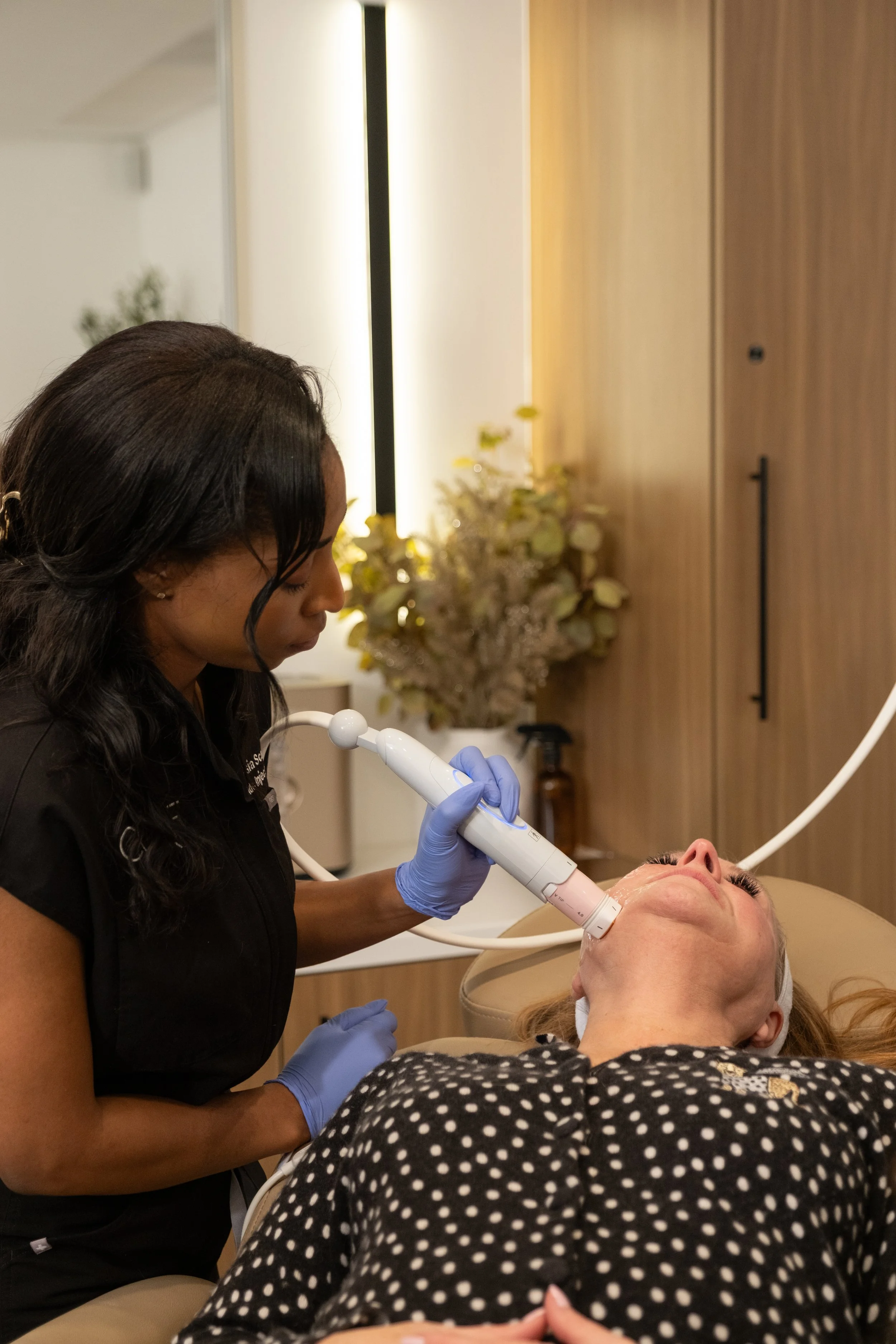
Why Your Skin Isn’t Improving (Even With Expensive Skincare)
Laser Hair Removal for Bikini Area: What No One Tells You
If you’re stuck in the cycle of razor burn, painful waxing, and persistent “strawberry skin,” you’re not alone. As a physician, I see many patients curious about bikini laser hair removal—but hesitant due to myths around pain, safety, and results. The truth is far more clinical, precise, and reassuring when done correctly.
The Science (and Precision) Behind Effective Treatment
Laser hair removal works by targeting melanin within the hair follicle. The light energy converts to heat, selectively damaging the follicle while preserving surrounding skin. However, the bikini area presents unique anatomical challenges.
Hair in this region grows at varying angles and depths due to natural skin folds. A skilled provider adjusts hand positioning, spot size, and laser angle to remain perpendicular to the follicle. Smaller spot sizes are used for delicate contours, while larger ones efficiently cover the bikini line. This precision is what determines both safety and long-term efficacy—not just the machine itself.
Laser Hair Removal for Bikini Area: What No One Tells You
Laser Hair Removal for Bikini Area: What No One Tells You
If you’re stuck in the cycle of razor burn, painful waxing, and persistent “strawberry skin,” you’re not alone. As a physician, I see many patients curious about bikini laser hair removal—but hesitant due to myths around pain, safety, and results. The truth is far more clinical, precise, and reassuring when done correctly.
The Science (and Precision) Behind Effective Treatment
Laser hair removal works by targeting melanin within the hair follicle. The light energy converts to heat, selectively damaging the follicle while preserving surrounding skin. However, the bikini area presents unique anatomical challenges.
Hair in this region grows at varying angles and depths due to natural skin folds. A skilled provider adjusts hand positioning, spot size, and laser angle to remain perpendicular to the follicle. Smaller spot sizes are used for delicate contours, while larger ones efficiently cover the bikini line. This precision is what determines both safety and long-term efficacy—not just the machine itself.
VI Peel for Acne: Why It Works When Nothing Else Does
If you’ve struggled with persistent acne, you already know the cycle—trying product after product, only to be left with irritated skin that still breaks out. As physicians, we approach acne differently. It is not just a surface concern—it’s a chronic inflammatory skin condition that requires targeted, multi-level treatment.
When conventional methods fail, the VI Peel becomes a powerful clinical solution—not just to treat acne, but to interrupt it at its source.
Laser vs. Chemical Peel: Which One Wins for Glowing Skin?
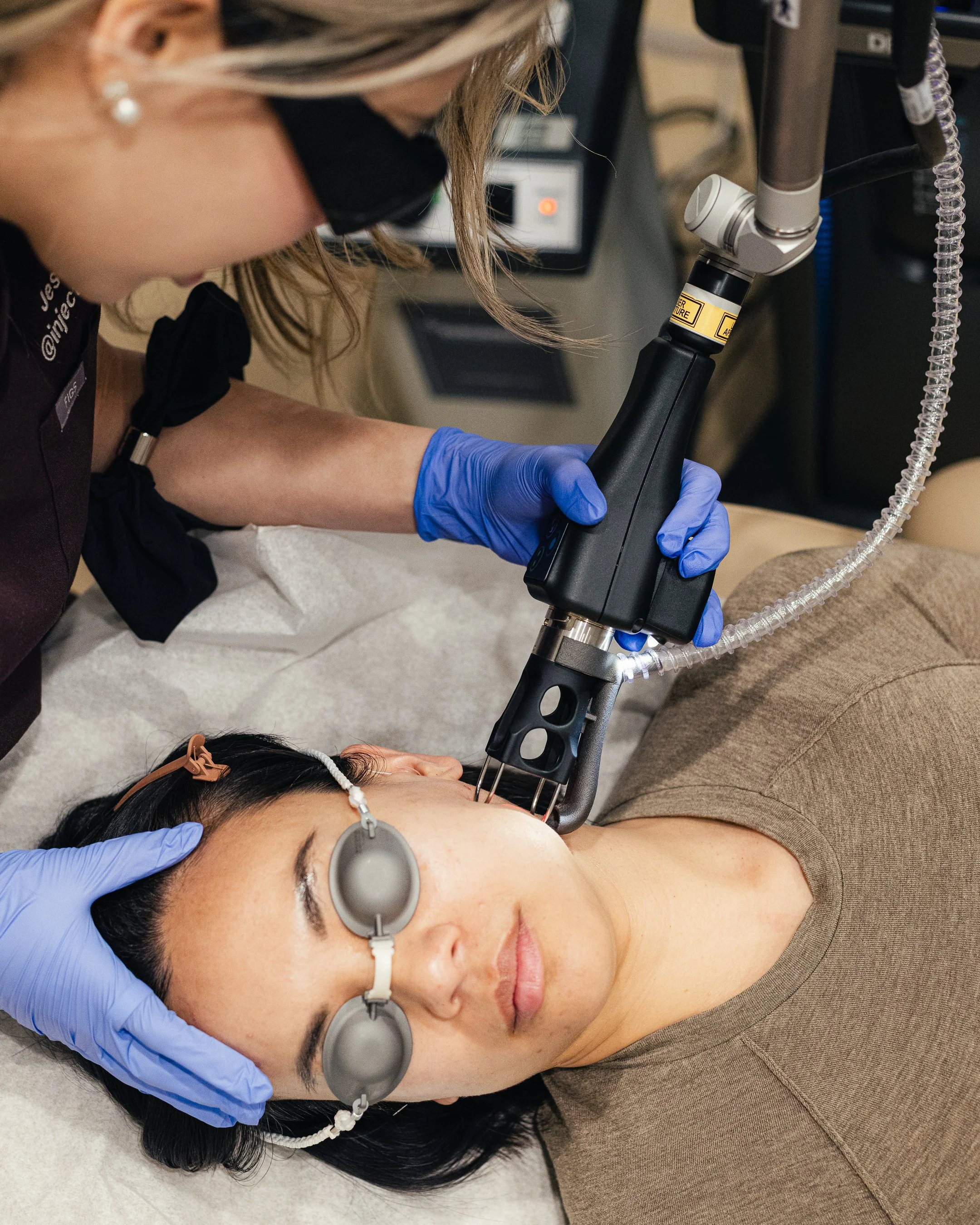
If you’re ready to refresh dull, uneven, or tired-looking skin, you’ve probably heard about laser treatments and chemical peels. Both are popular options for improving skin texture, fading dark spots, and restoring a healthy glow — but they work in very different ways. Understanding the benefits, downtime, and results of each can help you choose the best treatment for your unique skin goals.
Transform Your Skin with VI Peels at Core Aesthetic
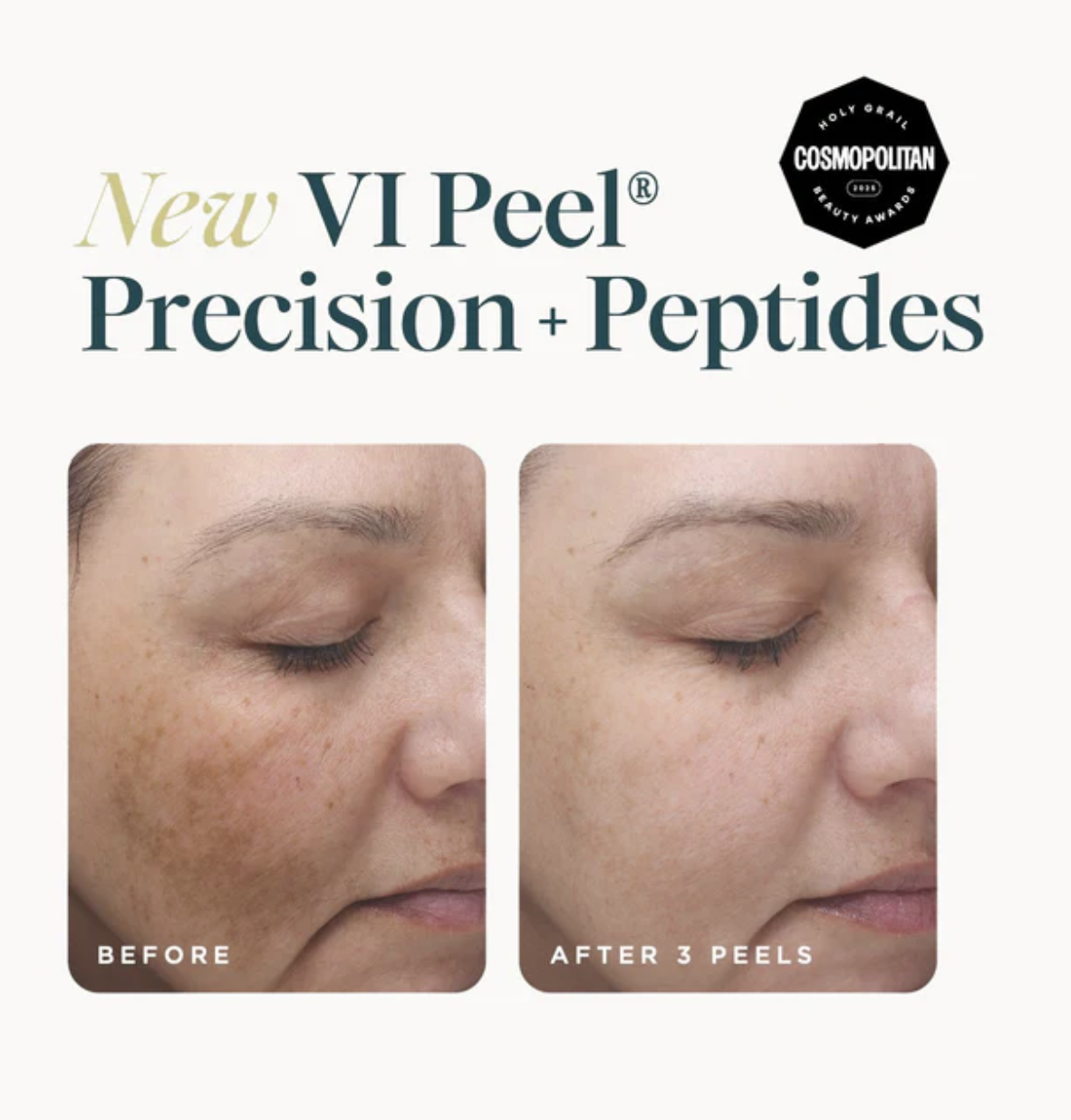
The VI Peel is one of our favorite treatments at Core Aesthetic because it delivers real results with minimal downtime. This medical-grade chemical peel is formulated to target everything from sun damage and hyperpigmentation to acne scars, fine lines, and uneven texture—all in a single treatment. Unlike older, harsher peels, the VI Peel is gentle enough for most skin types yet powerful enough to stimulate collagen production and reveal smoother, brighter, healthier-looking skin. Whether you’re looking for a fresh glow, a clearer complexion, or long-term anti-aging benefits, the VI Peel is a game-changing reset your skin will thank you for.

VI Peel 101: Timing Your Treatment for Optimal Fall and Winter Results
The VI Peel is one of our favorite treatments at Core Aesthetic because it delivers real results with minimal downtime. This medical-grade chemical peel is formulated to target everything from sun damage and hyperpigmentation to acne scars, fine lines, and uneven texture—all in a single treatment. Unlike older, harsher peels, the VI Peel is gentle enough for most skin types yet powerful enough to stimulate collagen production and reveal smoother, brighter, healthier-looking skin. Whether you’re looking for a fresh glow, a clearer complexion, or long-term anti-aging benefits, the VI Peel is a game-changing reset your skin will thank you for.

Pumpkin Spice and Perfect Skin: Why VI Peel Belongs in Your Cooler-Weather Routine
As the leaves turn and the air cools, your skincare routine deserves a seasonal upgrade. Enter the VI Peel, the professional-grade chemical peel that brightens, smooths, and rejuvenates your skin—all while you cozy up with a pumpkin spice latte. But did you know that fall and winter are the perfect seasons for this treatment? At Core Aesthetic, we’ll break down why timing your VI Peel with the cooler months maximizes results and minimizes risk.
Sun Damage vs. Melasma: Why They’re Not the Same—And What Actually Treats Both
ChatGPT said:
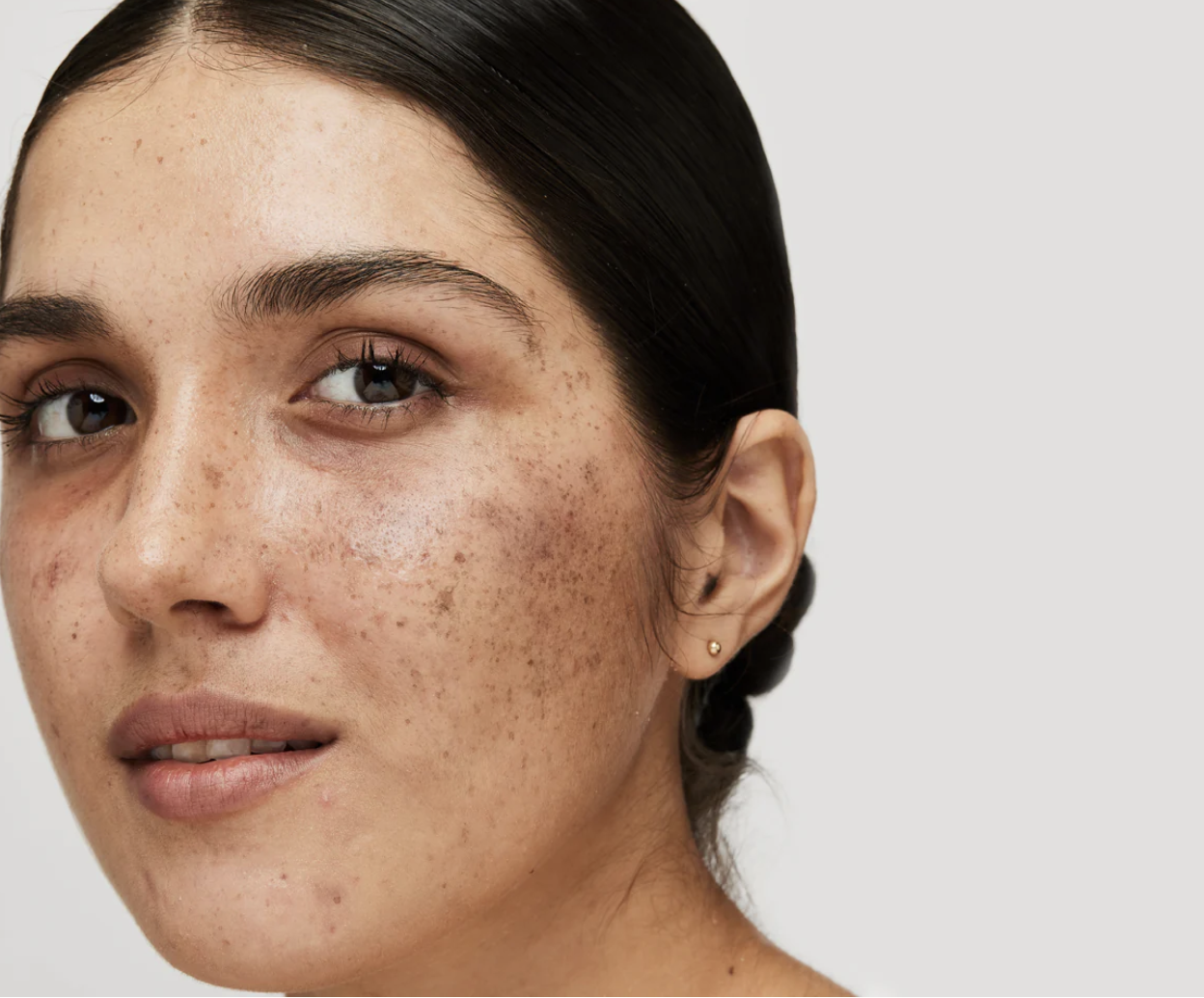
Melasma is a common skin condition characterized by brown or gray-brown patches, most often appearing on the cheeks, forehead, nose, upper lip, or chin. It’s caused by an overproduction of melanin, the pigment that gives skin its color, and is often triggered by sun exposure, hormonal changes (such as pregnancy or birth control use), and certain medications or skincare products. While melasma is not harmful or contagious, it can be stubborn and challenging to treat. Managing it usually involves a combination of sun protection, topical brightening agents, chemical peels, and sometimes in-office treatments like lasers or microneedling. With consistency and the right care, melasma can be significantly improved over time.

Why VI Peels Are a Favorite for Brides, Events, and Photoshoots
The VI Peel is one of the few chemical peels safe for all Fitzpatrick skin types, including deeper skin tones. While many chemical peels pose a higher risk of hyperpigmentation for darker complexions, the VI Peel’s formula was specifically designed to reduce that risk—making it a trusted option for treating conditions like melasma, acne scarring, and sun damage in diverse skin tones.

Acne & Acne Scarring? Why VI Peels Are a Game-Changer
The VI Peel is one of the few chemical peels safe for all Fitzpatrick skin types, including deeper skin tones. While many chemical peels pose a higher risk of hyperpigmentation for darker complexions, the VI Peel’s formula was specifically designed to reduce that risk—making it a trusted option for treating conditions like melasma, acne scarring, and sun damage in diverse skin tones.

Smoothing the Scars: Effective Solutions for Pitted Acne Marks
You’ve fought the breakouts—but now you’re left with the lasting reminder: pitted acne scars. These deep, textured marks can be frustrating and hard to cover, often lingering long after your acne is gone. At Core Aesthetic, we understand how much these scars can impact your confidence—and we’re here with solutions that go beyond skincare to truly rebuild and restore your skin.
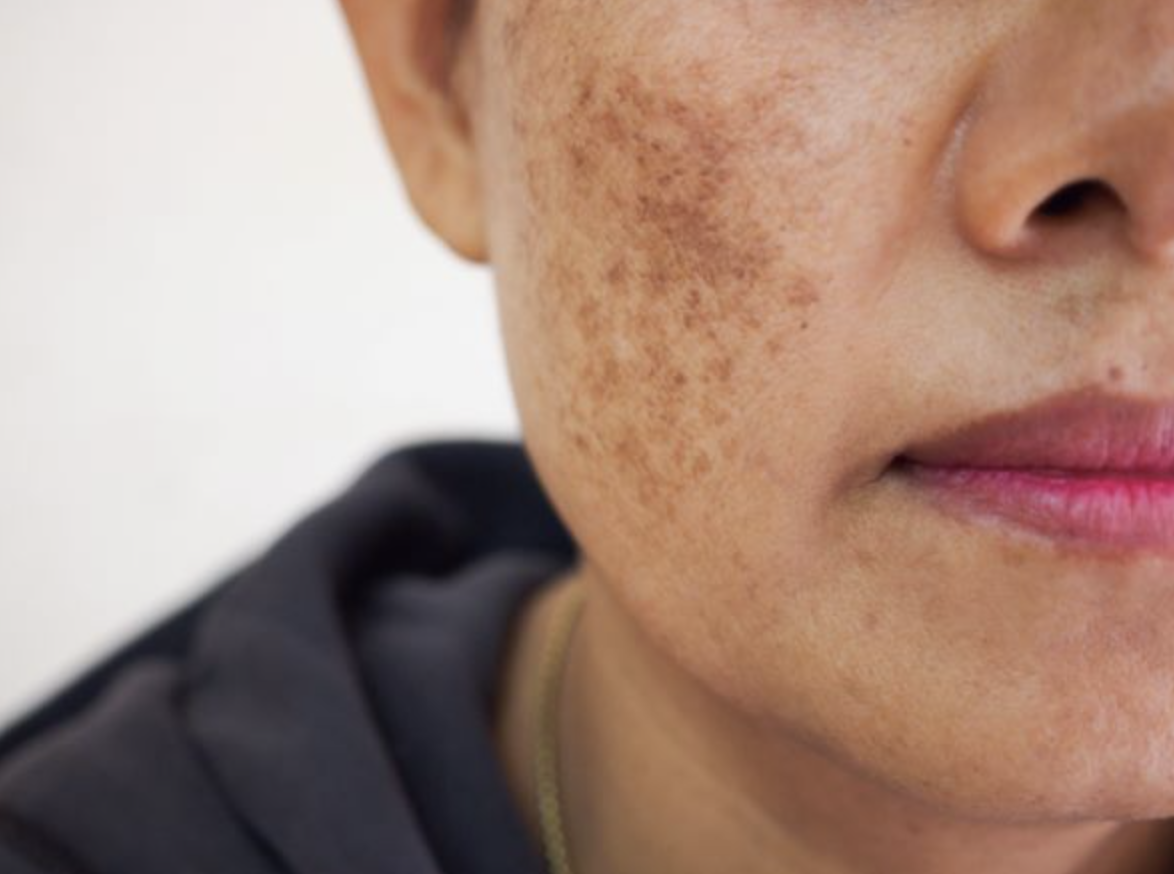
Hyperpigmentation: What It Is and How Core Aesthetic Can Help You Fade It
Dark spots, sun damage, melasma, or post-acne marks—if you’ve noticed uneven patches of pigmentation on your skin, you’re not alone. Hyperpigmentation is one of the most common skin concerns, and while it can be stubborn, it’s absolutely treatable. At Core Aesthetic, we take a personalized and results-driven approach to help you achieve smoother, more radiant, and evenly toned skin.

Battling Mild Acne? Here's How Core Aesthetic Can Help You Glow
Mild acne might not seem serious, but those frustrating breakouts, blackheads, and uneven texture can take a toll on your confidence. Whether you're dealing with occasional pimples or persistent clogged pores, you deserve clear, healthy skin—and at Core Aesthetic, we’re here to help. Our approach is personalized, professional, and rooted in results that go beyond the surface.

Reveal Radiance: Why the VI Peel Is the Secret to Glowing Skin
The VI Peel is one of the few chemical peels safe for all Fitzpatrick skin types, including deeper skin tones. While many chemical peels pose a higher risk of hyperpigmentation for darker complexions, the VI Peel’s formula was specifically designed to reduce that risk—making it a trusted option for treating conditions like melasma, acne scarring, and sun damage in diverse skin tones.