The Best Areas for Laser Hair Removal (and the Ones That Take Longer)
Laser hair removal can be highly effective across many areas of the body—but not all areas respond at the same pace. Differences in hair type, growth cycles, and hormonal influence play a major role in treatment timelines. At Core Aesthetic, physician-guided planning helps patients understand which areas typically respond faster and which require more time and consistency.
Setting clear expectations from the start leads to better outcomes and long-term satisfaction.
Face vs Body Hair Differences
Facial hair and body hair behave differently at a biological level. Facial hair generally grows in shorter, faster cycles, which means early response can be noticeable. However, facial areas are also more sensitive to hormonal signals, which can extend overall treatment duration.
Body hair—such as on the legs, arms, and back—tends to grow in longer, more predictable cycles. While these areas may take longer to show visible change, results are often steady and reliable when treatments are performed consistently.
Because laser hair removal works best when hair is in the anagen (active growth) phase, these cycle differences directly influence how quickly results appear.
Hormonal Areas Explained
Certain areas of the body are more strongly influenced by hormones, particularly androgens. These include:
Upper lip, chin, and jawline
Neck
Bikini area
Chest and abdomen
In these regions, hair follicles may continue to receive hormonal stimulation even after treatment. Laser hair removal reduces active follicles but does not override hormonal signaling. As a result, these areas may:
Require additional sessions
Benefit from adjusted spacing between treatments
Need maintenance sessions over time
This is a normal biological response and does not indicate treatment failure.
Areas That Often Respond More Quickly
Some areas commonly show earlier visible improvement due to hair characteristics and growth patterns:
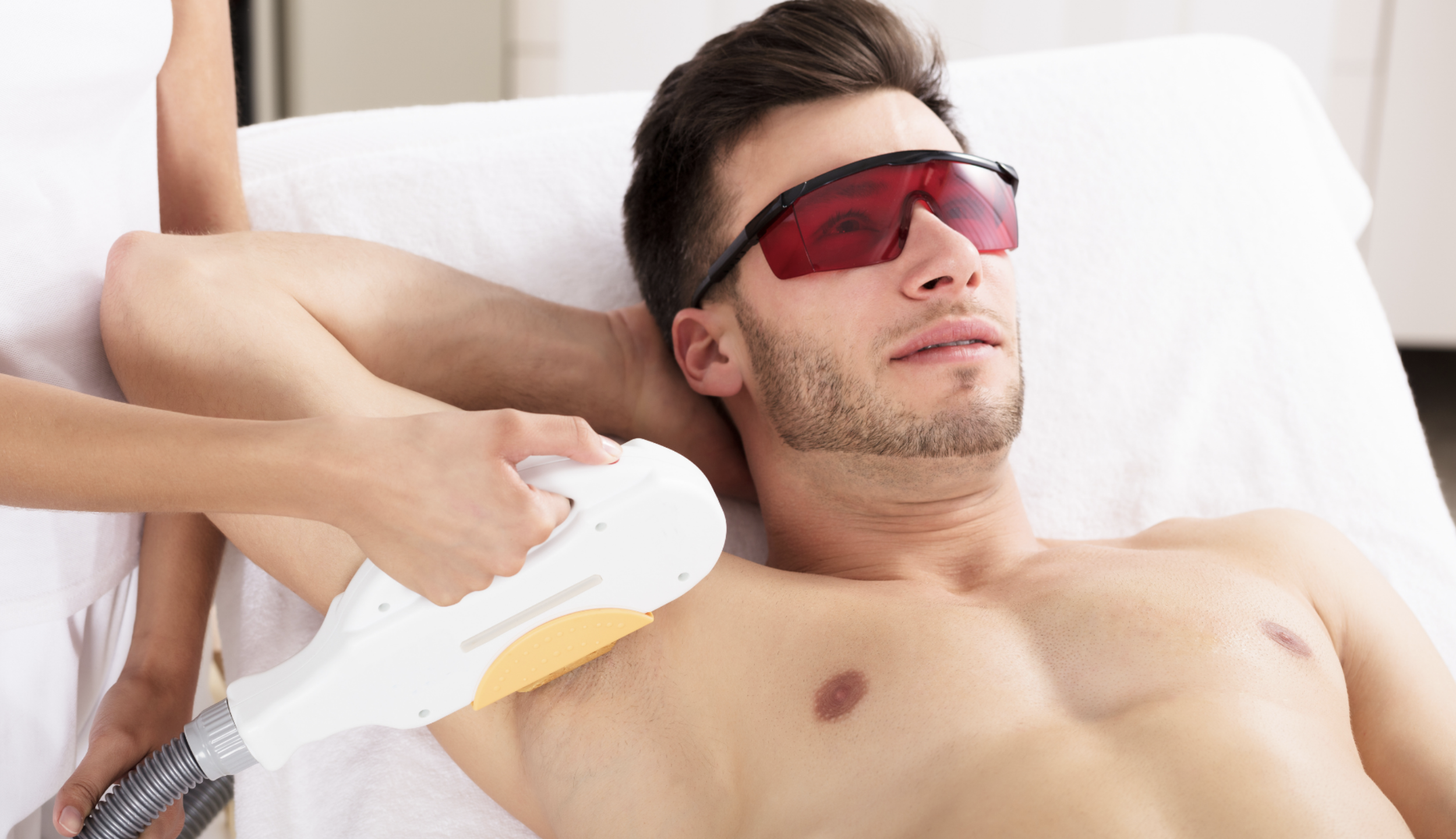
Underarms: Coarse hair and consistent cycles often respond efficiently
Forearms: Fine-to-medium hair that responds steadily
Smaller facial areas: Early shedding may be noticeable, though maintenance may still be needed
Patients often notice slower regrowth and finer hair in these areas within the first few sessions when treatments are properly spaced.
Areas That Typically Take Longer
Other areas require more patience due to size, hair density, or depth of follicles:
Legs and arms: Larger surface areas with slower cycles
Back and shoulders: Dense hair that may need additional sessions
Bikini area: Often hormonally influenced, extending timelines
These areas often respond well over time but usually require a longer treatment course.
Setting Realistic Timelines
Most patients notice early changes such as shedding and slower regrowth within the first few sessions. However, meaningful long-term hair reduction develops gradually over several months. A full treatment series is typically spaced every 4–8 weeks, depending on the area.
Consistency, sun avoidance, and appropriate skincare all support safe and effective outcomes.
Common Questions About Treatment Areas
Why does facial hair often take longer to fully respond?
Facial hair is more hormonally driven, which can stimulate new growth even after treatment.
Why do larger areas need more sessions?
Larger areas have more follicles and slower growth cycles, requiring additional sessions to capture hair in its active phase.
Will all areas need maintenance treatments?
Not always. Some areas maintain results long-term, while hormonally sensitive areas may benefit from occasional maintenance.
Discuss Treatment Areas With Our Laser Specialists
A professional consultation allows our medical team to assess each treatment area, explain realistic timelines, and design a personalized plan based on your skin, hair, and goals.
Discuss treatment areas with our laser specialists at Core Aesthetic and receive a physician-guided treatment plan tailored to you.