Why Hair Grows Back After Laser Hair Removal—and How to Prevent It
Laser hair removal is highly effective for long-term hair reduction, but it is not uncommon to notice some hair regrowth over time. While this can feel frustrating, regrowth is usually biological and expected, not a sign that treatment failed. At Core Aesthetic, we focus on helping patients understand why this happens—and how to manage it effectively.
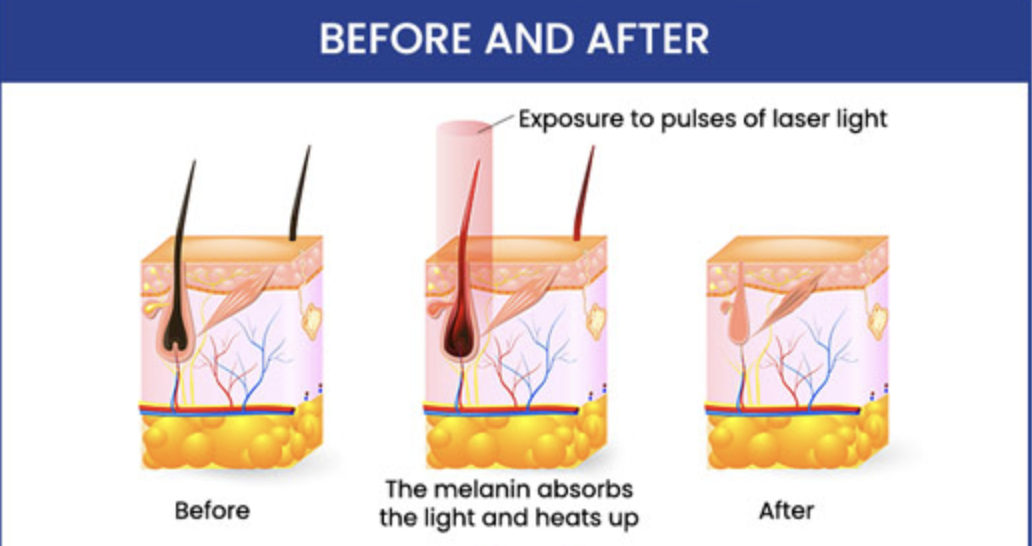
Hair Growth Cycles Explained
Hair does not grow continuously. Instead, it moves through three distinct phases:
Anagen (active growth): The only phase laser hair removal can effectively target
Catagen (transition): The follicle shrinks and detaches from its blood supply
Telogen (resting): Hair sheds naturally before re-entering the cycle
At any given session, only a portion of hairs are in the anagen phase, which means some follicles are not affected during treatment. These follicles may activate later, appearing as regrowth even after a full treatment series.
This is why laser hair removal requires multiple sessions, spaced several weeks apart, to progressively treat hair as it enters active growth.
Additionally, fine or vellus hairs contain less pigment and may respond less predictably than thicker terminal hairs. When these hairs regrow, they are typically lighter, thinner, and slower-growing.
Hormonal Influences on Regrowth
Hormones play a significant role in hair behavior, especially in areas such as the face, neck, bikini line, chest, and abdomen. Changes related to:
PCOS or other endocrine conditions
Pregnancy or postpartum shifts
Menopause or aging
Certain medications (including hormonal therapies)
can stimulate dormant follicles that were inactive during the initial treatment series.
Laser hair removal reduces active follicles but does not override hormonal signaling, which is why hormonally sensitive areas may experience ongoing or intermittent regrowth.
Why Maintenance Treatments Are Important
Laser hair removal is classified as long-term hair reduction, not permanent removal of every follicle. Over time, some follicles may re-enter the growth phase.
Maintenance treatments help:
Target newly activated follicles
Manage hormonally driven regrowth
Preserve smoother, more consistent results
Most patients benefit from periodic maintenance sessions, particularly for facial or hormonally influenced areas. These sessions are typically less frequent and less intensive than the initial series.
How to Reduce Regrowth Over Time
To minimize regrowth:
Complete the full recommended treatment series
Maintain proper spacing between sessions
Avoid waxing or plucking between treatments
Protect treated skin from sun exposure
Follow personalized skincare and aftercare guidance
Medical oversight allows treatment plans to adapt as hair patterns change.
Schedule a Follow-Up Laser Evaluation
A follow-up evaluation allows our medical team to assess regrowth patterns, review hormonal influences, and determine whether maintenance treatments are appropriate.
Schedule a follow-up laser evaluation at Core Aesthetic to maintain your results with physician-guided care.