Is Laser Hair Removal Safe During Hormonal Changes or PCOS?
Hormonal changes—especially those associated with PCOS (Polycystic Ovary Syndrome)—often lead to unwanted hair growth, raising an important question: Is laser hair removal safe and effective when hormones are involved?
The answer is yes, with proper medical oversight and realistic expectations. At Core Aesthetic, hormone-related hair concerns are approached with clinical precision, not cosmetic shortcuts.
PCOS and Hair Growth: Understanding the Connection
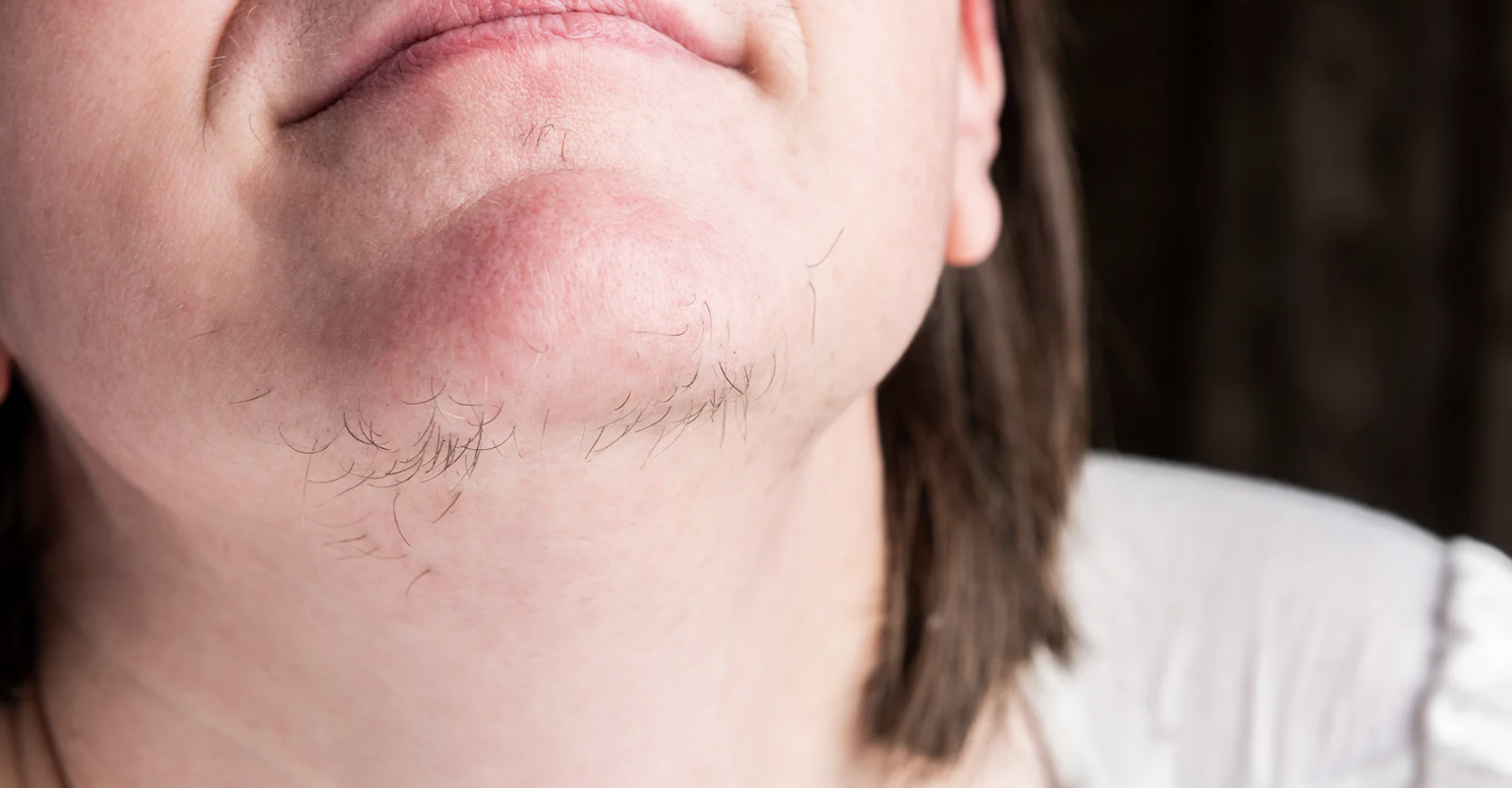
PCOS is commonly associated with elevated androgen levels, which can stimulate excess hair growth (hirsutism), particularly on the face, chin, neck, chest, abdomen, and back. This hair is often darker, coarser, and more persistent.
Hormonal stimulation can result in:
Faster regrowth between sessions
Activation of previously dormant follicles
Hair growth in new areas over time
Laser hair removal can significantly reduce hair density, thickness, and visibility in patients with PCOS. However, it does not treat the underlying hormonal imbalance, which is why maintenance treatments are often part of long-term care.
What Laser Hair Removal Can—and Cannot—Treat
Laser hair removal targets melanin in the hair follicle during the anagen (active growth) phase.
Laser hair removal can:
Reduce actively growing, pigmented hair
Slow regrowth and improve texture
Be safely performed in patients with PCOS when treatment is customized
Laser hair removal cannot:
Stop hormonal signals from activating new follicles
Effectively treat white, gray, or very fine vellus hair
Cure PCOS or other endocrine conditions
In some cases, electrolysis may be considered for non-pigmented hairs.
Is Laser Hair Removal Safe During Hormonal Changes?
In most cases, laser hair removal is safe during hormonal changes, including PCOS, when performed under medical supervision. Hormonal shifts may affect:
How many sessions are needed
How quickly results appear
Which areas respond most predictably
Laser treatment does not worsen PCOS or hormonal conditions, but timing and expectations may need adjustment during pregnancy, postpartum periods, or medication changes.
Why Medical Oversight Matters
Hormone-driven hair growth requires a medical—not purely aesthetic—approach. Physician oversight allows for:
Review of medical history and medications
Identification of hormonally sensitive areas
Safe adjustment of laser settings and session spacing
Coordination with ongoing hormonal management
This reduces risks such as irritation, pigmentation changes, or inconsistent results.
Common questions patients ask us
Will laser hair removal stop PCOS-related hair growth permanently?
No. Laser reduces existing hair but does not prevent hormones from activating new follicles.
Does needing maintenance mean laser didn’t work?
No. Maintenance is common in hormonally influenced areas and reflects biology, not treatment failure.
Is laser safe while on PCOS medications?
In most cases, yes—but medication review is important, as some treatments can affect skin sensitivity.
What if some hairs don’t respond to laser?
Very fine or non-pigmented hairs may respond better to electrolysis, which can be discussed during consultation.
Setting Realistic Expectations
Patients with PCOS often achieve meaningful, long-term reduction, not complete elimination of all hair. The goal is manageability, improved skin comfort, and sustained results with appropriate maintenance.
Book a Consultation for Hormone-Related Hair Concerns
A professional consultation allows our medical team to assess hair patterns, discuss hormonal influences, and design a personalized treatment plan.
Book a consultation at Core Aesthetic for hormone-related hair concerns and receive physician-guided laser care tailored to you.