Red-Light Masks & Wands: Do They Actually Work or Is It Just TikTok Hype?
If you’ve scrolled through TikTok lately, you’ve probably seen influencers wearing glowing red masks or waving sleek LED wands across their faces. Red-light therapy has gone viral but is it legit science, or just another beauty trend?
Spoiler: It’s real science, with real skin benefits as long as you understand what wavelengths to look for, how to use the devices correctly, and what results you can realistically expect.
Let’s break it down in simple, dermatologist-approved terms.
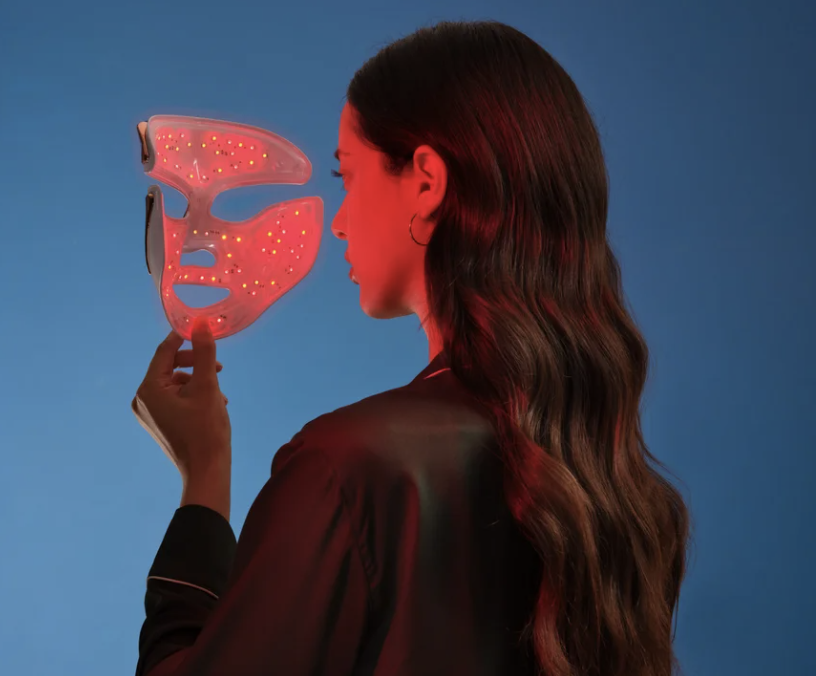
What Red-Light Therapy Actually Is
Red-light therapy uses very specific wavelengths of light most commonly 630–660nm (red light) and 830nm (near-infrared light) to stimulate skin cells.
Here’s why that matters:
630–660nm Red Light: Boosts collagen production, reduces redness, and improves overall skin tone.
830nm Near-Infrared Light: Penetrates deeper to reduce inflammation and accelerate healing.
These wavelengths communicate directly with your mitochondria (your cells’ energy center), helping them produce more energy for repairing, rebuilding, and rejuvenating skin.
What Red Light Can Improve (According to Dermatology Research)
Fine lines & aging skin: Red light increases collagen and elastin, making skin look firmer, plumper, and smoother.
Acne & inflammation: It calms redness, reduces swelling, and can even help regulate oil production.
Post-treatment healing: After procedures like microneedling, IPL, or laser, red light speeds up healing and reduces downtime.
Circulation & glow: More blood flow = healthier, brighter, more radiant skin.
No wonder dermatologists are recommending LED light therapy more than ever in 2025.
At-Home Devices vs. Medical-Grade: What’s the Difference?
This is where things really matter.
At-home masks & wands
Convenient
Affordable
Lower power and weaker energy output
Great for maintenance and everyday glow
These devices can work beautifully; they just take longer.
Medical-grade LED panels
Higher power output
More consistent clinical wavelengths
Faster visible results
Recommended for acne, aging, rosacea, and post-procedure care
If you want faster or more dramatic improvement, in-office LED treatments are still the gold standard.
Pro Tip: Pair Red Light With the Right Serums
To maximize results, combine red-light therapy with products that enhance repair:
Hyaluronic acid: Boosts hydration
Peptide serums (like 33B-α or exosome serums): Supports collagen and healing
Antioxidants: Protects cells while red light energizes them
LEDs help your skin absorb active ingredients more effectively.
Is It Safe? Who Can Use It?
Red-light therapy is safe for:
All skin tones
Sensitive skin
Acne-prone skin
Aging or thinning skin
People with post-procedure redness or irritation
Avoid LED therapy if you have:
Active melasma (may worsen with light)
Conditions sensitive to light
Photosensitizing medications (check with a provider)
How Often Should You Use Red Light?
For at-home devices: 3–5 times per week for 10–20 minutes.
For medical-grade in-office panels: 1–2 times per week for faster results.
When Will You See Results? (Set Realistic Expectations)
Immediate: A healthy glow, reduced redness
2-4 weeks: Smoother texture, relaxed fine lines
8-12 weeks: Visible anti-aging improvements & clearer skin
Consistency is everything.
Want to Know Which Device Is Right for You?
Book a consultation with our skincare team. We’ll help you:
Choose the best red-light mask or wand for your goals
Pair it with the right serums for amplified results
Create a treatment plan that fits your lifestyle
Ready to upgrade your routine? Schedule your personalized consultation today.