Snail Serum Is Back — Here’s the Science Behind Why Dermatologists Are Obsessed in 2025
2025 has officially crowned snail mucin as the comeback ingredient of the year but not because it’s trendy. Dermatologists are obsessing over it for one reason: the science is undeniable. With its unmatched ability to hydrate, strengthen the skin barrier, accelerate healing, and restore bounce, snail serum has stepped into the spotlight as a true aesthetic-cosmeceutical powerhouse.
This guide breaks down the real research, who it’s for, and why it’s outperforming some of skincare’s most popular ingredients.
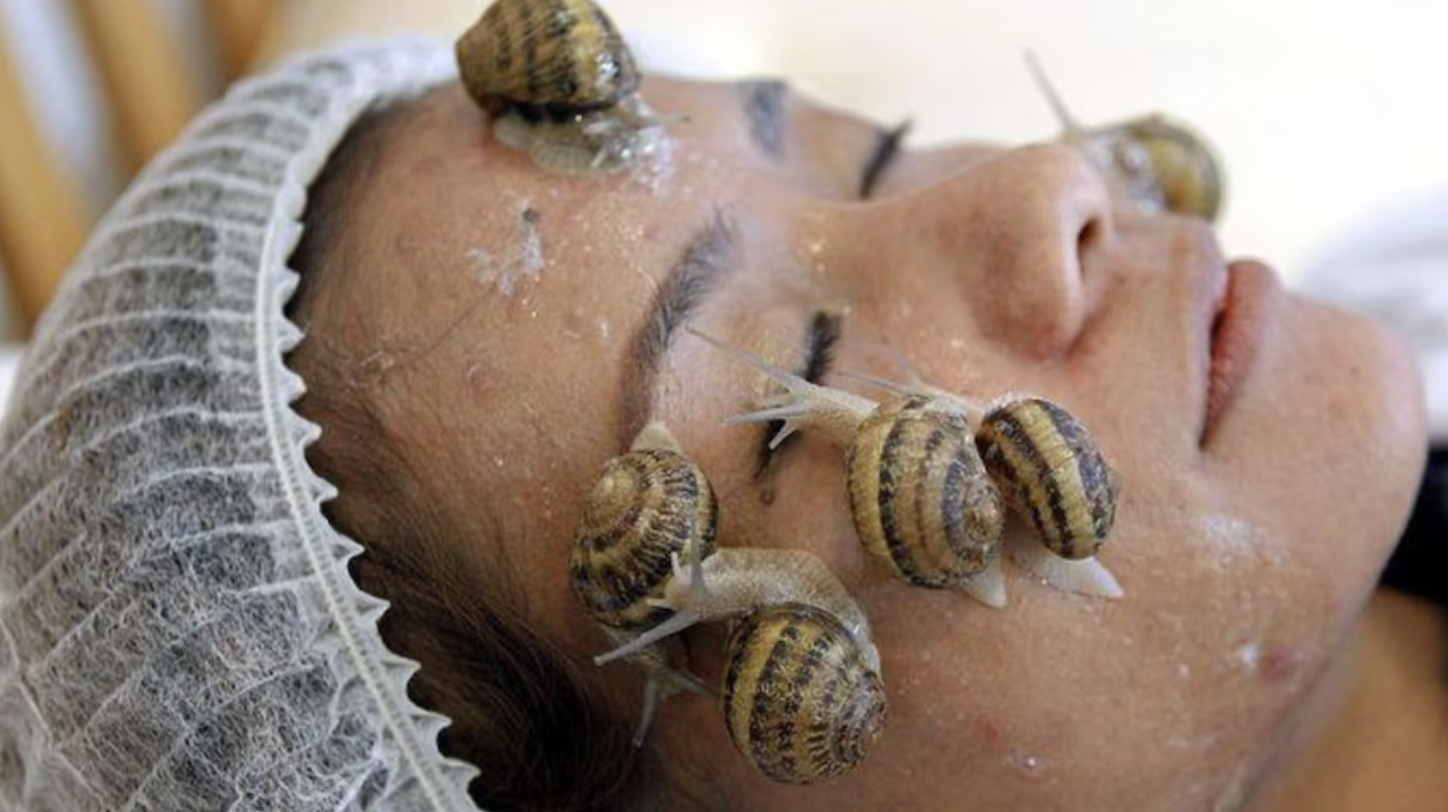
What Exactly Is Snail Serum? (And Why Purity Matters)
Snail mucin often labeled “snail secretion filtrate” is a naturally produced substance rich in:
Glycoproteins
Growth factors
Peptides
Hyaluronic acid
Glycolic acid
Antioxidants
Modern extraction methods prioritize ethical harvesting, ultra-fine filtration, and clinical-grade purification, resulting in a clean, stable, irritation-minimized ingredient suitable for even sensitive skin types.
In other words, not all snail serums are created equal. High-purity mucin delivers better hydration, faster repair, and fewer side effects.
How Snail Serum Strengthens Your Skin Barrier
A resilient barrier is the foundation of youthful, irritation-free skin. Snail mucin supports this by:
Reinforcing the lipid matrix
Preventing moisture loss
Increasing the skin’s natural resilience
Supporting cell turnover + repair
If your skin feels tight, dry, reactive, or easily flushed, snail mucin helps rebuild strength from within without the heaviness of occlusive creams.
Hydration + Bounce: Why Snail Mucin Makes Skin Look “Plump”
Dermatologists love snail serum because it doesn’t just hydrate it transforms the way skin behaves. It delivers:
Deep water retention (thanks to natural HA + humectants)
A smoother, dewy finish
Improved elasticity
Visibly bouncier, healthier-looking skin within weeks
Many users describe the effect as “glass-skin hydration meets cushiony bounce.”
Post-Inflammation Healing: Snail Mucin’s Superpower
Snail mucin is rich in bio-active peptides and anti-inflammatory compounds that accelerate recovery after:
Acne flare-ups
Chemical peels
Sun irritation
Barrier damage
Redness + sensitivity
Over-exfoliation
Its natural wound-healing properties are why dermatologists often recommend it as a “recovery serum” for compromised skin.
Snail Serum vs. Hyaluronic Acid: Which One Actually Comes Out on Top?
Deep Hydration
Both snail serum and hyaluronic acid provide excellent hydration, but snail serum offers a slightly deeper, more long-lasting moisturizing effect because it contains naturally occurring humectants, proteins, and enzymes.
Skin Barrier Repair
Snail serum clearly outperforms hyaluronic acid here. While HA hydrates, it doesn’t actively repair a damaged barrier. Snail mucin contains peptides, glycoproteins, and restorative molecules that support barrier healing and resilience.
Post-Inflammation & Healing Support
Snail serum is the stronger option for calming irritation, reducing redness, and supporting recovery after breakouts or aesthetic treatments. Hyaluronic acid has mild soothing properties but doesn’t offer true regenerative benefits.
Elasticity & Skin Bounce
Snail serum provides better improvement in firmness and bounce due to its peptide content and natural growth-factor-like compounds. Hyaluronic acid improves plumpness but doesn’t meaningfully affect elasticity on its own.
Anti-Aging Benefits
Snail serum delivers broader anti-aging effects including smoother texture, reduced fine lines, and better repair. Hyaluronic acid primarily helps with temporary plumping.
Best for Sensitive Skin
Hyaluronic acid tends to be more universally tolerated. Snail serum is generally gentle, but individuals with mollusk allergies or highly reactive skin should approach with caution.
Who Should Use Snail Serum And Who Should Avoid It
Best for:
Dry or dehydrated skin
Sensitive, irritated, or reactive skin
Post-procedure skin
Aging skin needing elasticity support
“Tired,” dull, or texture-rough skin
Barrier-damaged skin
Use With Caution If:
You have a mollusk or shellfish allergy
Your skin breaks out from rich or tacky formulas
You’re using strong actives like retinoids or AHAs (introduce slowly)
Patch-testing is recommended for ultra-sensitive users.
How to Use Snail Serum for Maximum Results
Apply after cleansing, before moisturizer
Use on slightly damp skin
Safe for AM + PM
For best results: pair with gentle, non-stripping cleansers
Avoid mixing with strong exfoliating acids in the same routine
Snail mucin plays beautifully with niacinamide, peptides, ceramides, and barrier-supporting moisturizers.
Dermatologist-Approved Product Recommendation
Best For All Skin Types: A Lightweight Snail Mucin Serum (Essence-Gel Texture)
Look for a formula that includes:
80–96% purified snail mucin
Added peptides or hyaluronic acid
No added fragrance
No pore-clogging occlusives
Non-sticky, quick-absorbing finish
If you'd like, I can also help you list out top 5 snail mucin products trending in 2025 to add at the end for conversion.
Why Snail Serum Is a 2025 Essential
Snail serum has gone from K-beauty trend to dermatologist staple because it delivers multi-action, clinically backed results:
Hydrates
Repairs
Heals
Plumps
Strengthens
If your skin barrier needs love, your glow is fading, or you want a gentle-but-powerful way to rejuvenate your complexion, snail mucin is the ingredient to watch and use in 2025.