

Whether you want to know about the latest trends in skincare, beauty treatments, compounding, or overall wellness, we’ve (probably) covered it! Be sure to check back regularly for any new posts - thank you for joining us on this journey to a happier, healthier, more beautiful you!
Looking for a specific topic? ↓
Don’t know where to start? Try searching: compounding | skincare | Morpheus8

Cheek Filler: Lift vs Volume (There’s a Difference)
Cheek filler is one of the most impactful aesthetic treatments—but only when it is used correctly. A common misconception is that cheek filler is meant to make the face look fuller. In reality, well-planned Hyaluronic Acid (HA) cheek filler is about restoring support, not adding unnecessary volume.
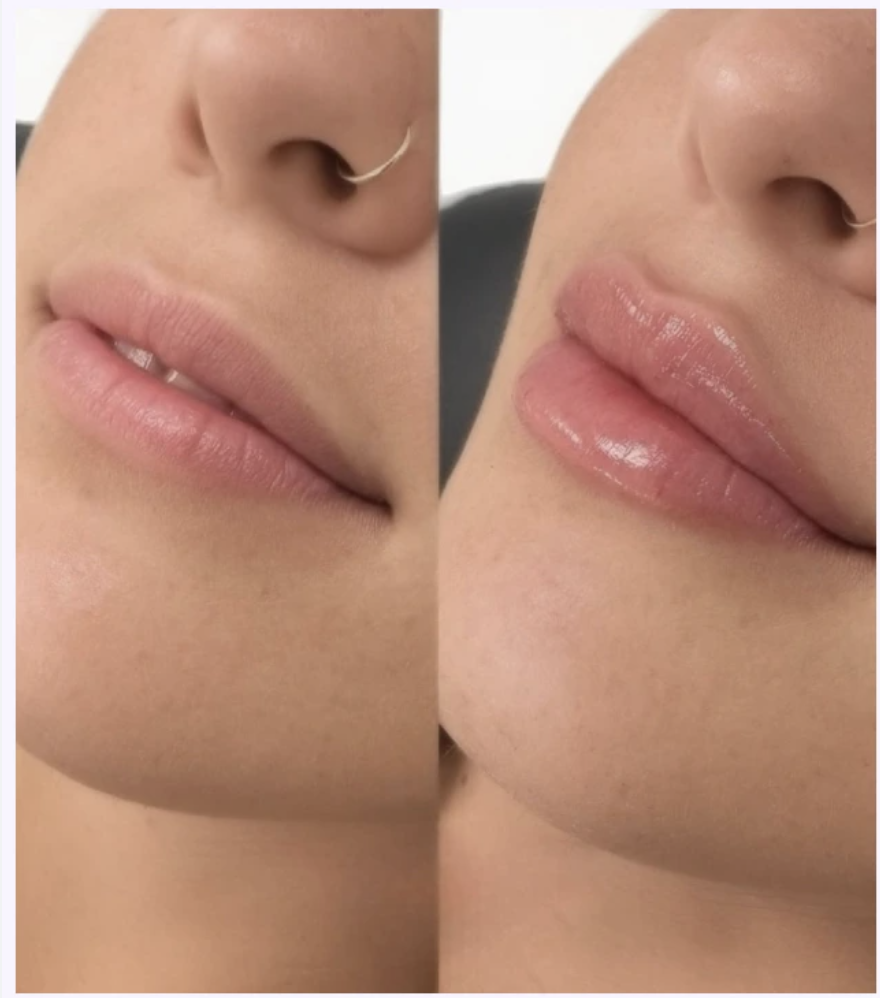
Lip Filler 101: Shape, Structure, and Safety
Lip filler is one of the most nuanced aesthetic treatments. While lips are often associated with volume, successful Hyaluronic Acid (HA) lip filler is not about making lips bigger—it is about preserving shape, supporting structure, and maintaining natural movement. At Core Aesthetic, lip filler is approached conservatively, with anatomy and safety guiding every decision.
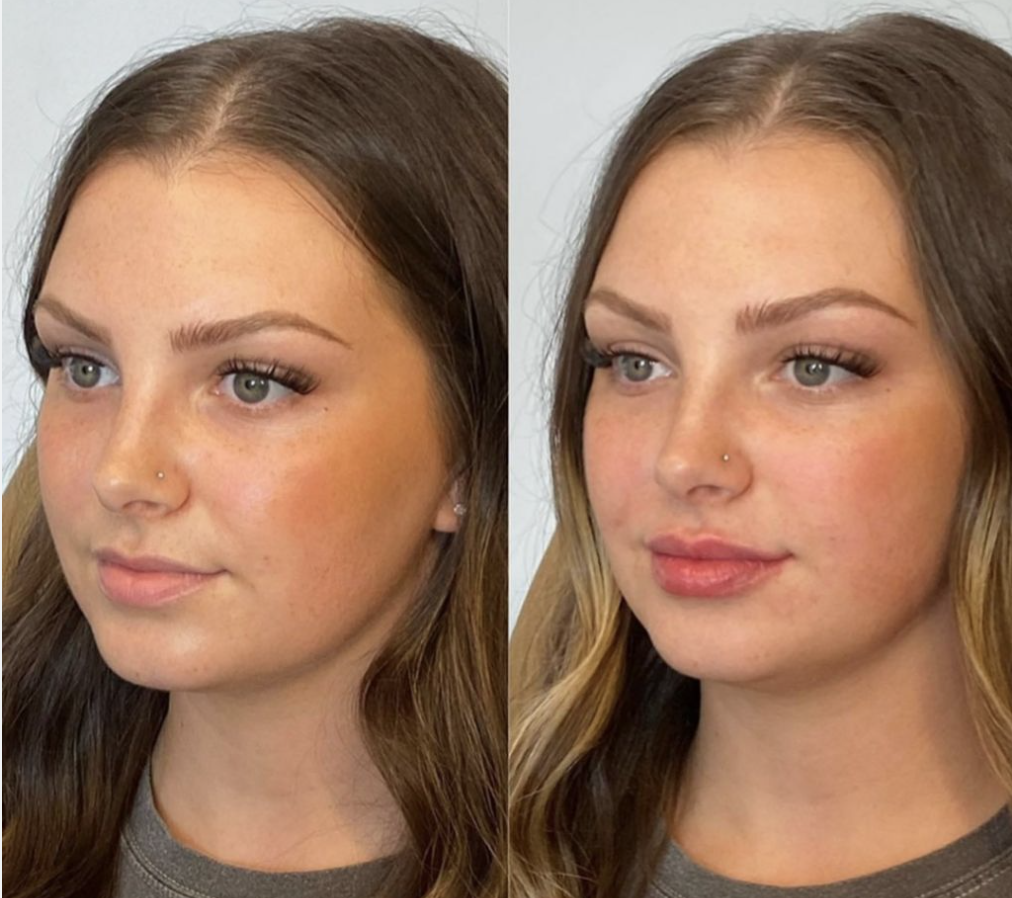
HA Filler for First-Timers: What to Expect
Trying Hyaluronic Acid (HA) filler for the first time is a significant decision. Most first-time patients are not looking for dramatic change—they want to look refreshed, balanced, and natural. At Core Aesthetic, first-time filler treatments are approached conservatively, with education and safety guiding every step.

Why Overfilled Faces Happen (And How HA Filler Should Look Instead)
An overfilled appearance is rarely the result of one bad treatment. More often, it develops gradually—through repeated filler sessions that lack anatomical planning, respect for facial movement, or a long-term strategy. At Core Aesthetic, we believe Hyaluronic Acid (HA) filler should restore balance and softness, not create fullness that feels heavy or artificial.

The Most Common HA Filler Mistakes (And How to Avoid Them)
Hyaluronic Acid (HA) fillers are powerful tools in aesthetic medicine—but only when used with precision, restraint, and a deep understanding of facial anatomy. At Core Aesthetic, we frequently meet patients who are not opposed to fillers themselves, but to the results they have seen elsewhere: overfilled faces, distorted features, or outcomes that simply do not feel natural.
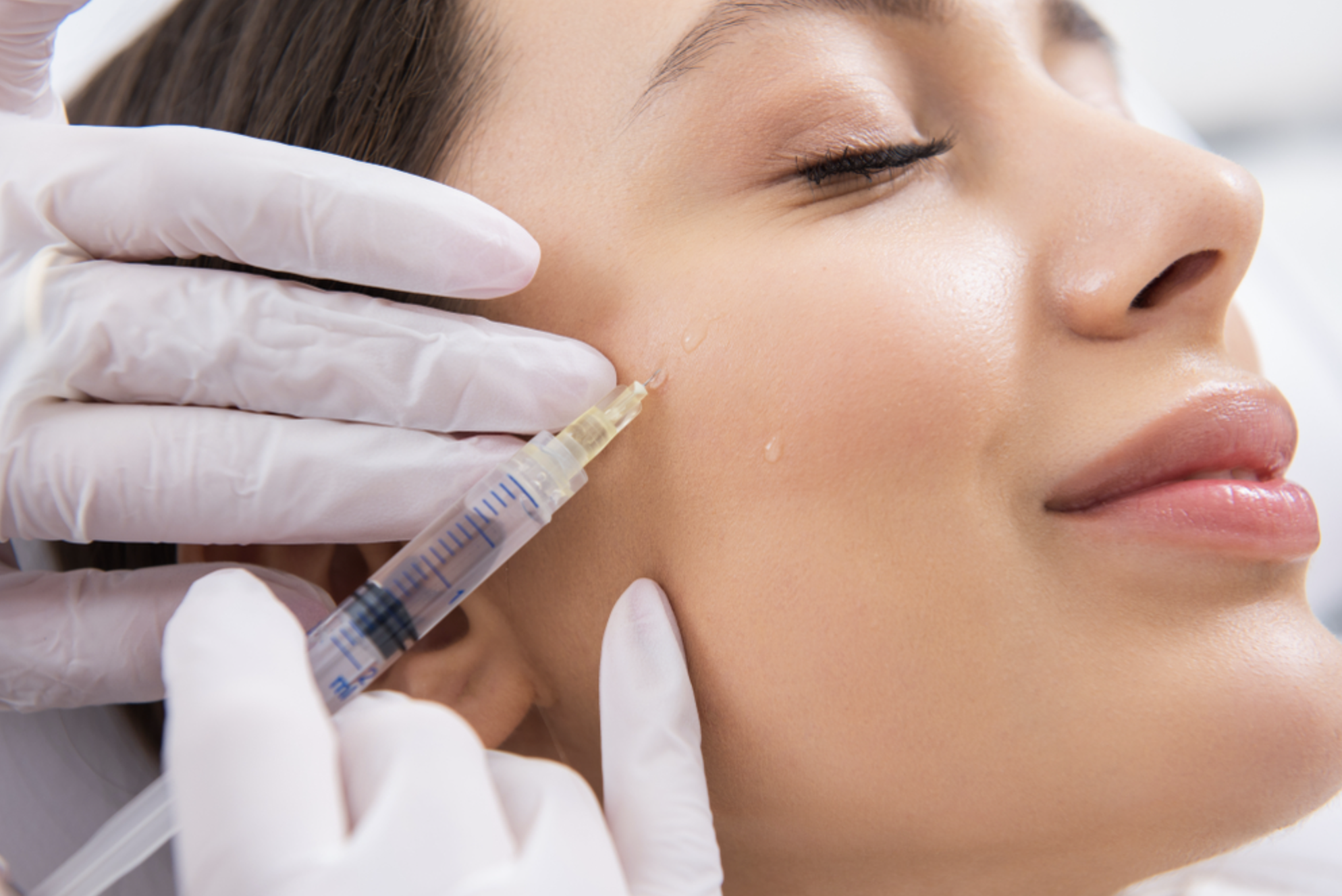
How Long Does HA Filler Actually Last? What Most Patients Aren’t Told
When considering Hyaluronic Acid (HA) fillers, one of the most important—and often misunderstood—questions is longevity. Many patients are told fillers last “a year” or “18 months,” but the reality is more nuanced. At Core Aesthetic, we believe informed decisions start with understanding why HA filler duration varies and why permanence is neither realistic nor desirable.
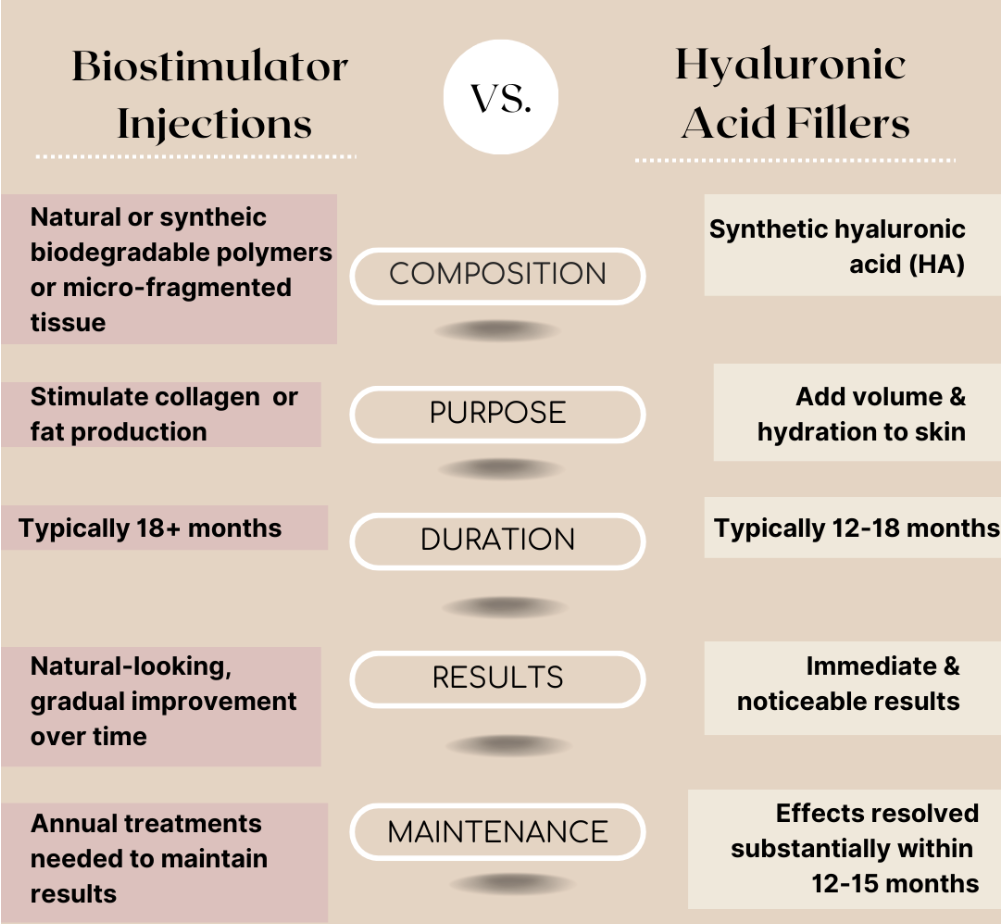
HA Fillers vs Biostimulators: Choosing the Right Treatment When Timing Matters
In aesthetic medicine, injectable treatments are not interchangeable—and one of the most important factors that often gets overlooked is time. At Core Aesthetic, we frequently guide patients through the decision between Hyaluronic Acid (HA) fillers and biostimulators, especially when results are needed within a specific timeframe.

Hyaluronic Acid Fillers: Why “Nature-Identical” Matters in Aesthetic Treatments
In aesthetic medicine, the most effective treatments are often those that work in harmony with the body. Hyaluronic Acid (HA) fillers are a prime example. At Core Aesthetic, we focus on medically guided, natural-looking enhancement—and HA fillers align seamlessly with that philosophy.